What should you check first?
For a bedtime drink, decide how much caffeine you want to avoid before comparing black-tea strength with herbal flavours. Then check the particular bag’s ingredients and preparation instructions.
| Priority |
What to check |
Your needs |
| Caffeine near bedtime |
Distinguish regular black tea, decaf tea and an infusion labelled naturally caffeine-free. Twinings says longer brewing extracts more caffeine from non-decaf tea. |
I want an evening cup without choosing regular tea simply because it tastes strong. The European Food Safety Authority says caffeine close to bedtime may affect sleep in some adults. |
| Black-tea character |
Look for decaffeinated black tea if a conventional tea-leaf cup matters. Decaf can retain minor caffeine traces, according to Twinings; flavour descriptions are not a measure of caffeine content. |
A familiar cuppa, perhaps with milk, matters more to me than fruit, flower or spice flavours, but I still want to reduce caffeine. |
| Ingredients |
Read the full list for each herbal or flavoured blend, including botanicals, spices and flavourings. Check the declared allergen information against your own requirements. |
I want to know what is in the particular bag I will brew, rather than treating all bedtime blends as the same recipe. |
| Daily caffeine total |
During pregnancy, consider caffeine from tea alongside other drinks and foods. NHS guidance sets a limit of 200 mg a day during pregnancy. |
If I am pregnant, my bedtime tea is one part of the day’s caffeine total, not a separate allowance. |
Tea bags for different evening preferences
These Joybuy options cover caffeine-free herbal infusions, decaf black tea and decaf green tea. The green-tea option offers another tea-leaf style, but it is not a substitute for a strong black-tea flavour.
 No image available
Pukka Chamomile Vanilla & Manuka Honey, 20 sachets, 32g
A floral herbal choice if you want a caffeine-free infusion rather than strong black tea. The blend includes chamomile, fennel, liquorice, Manuka honey flavouring and vanilla; check the full label, particularly if you have an allergy to plants in the camomile family.
View on Joybuy
 No image available
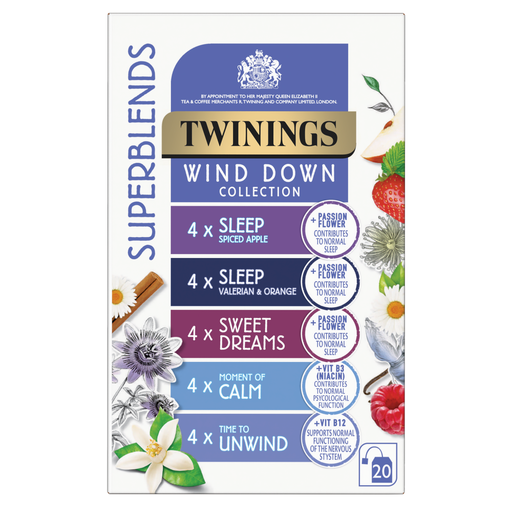
Twinings Superblends Wind Down Collection, 20 tea bags, 33.2g
A naturally caffeine-free herbal assortment if you want several evening flavours rather than one black-tea style. It contains five blends with different ingredients, so check the ingredients and allergen information for the bag you choose.
View on Joybuy
 No image available
Tetley Decaffeinated Tea Bags, 80 bags, 250g
Decaffeinated black tea for an evening cup when you prefer a conventional tea-leaf style to a herbal infusion. Decaf does not mean zero caffeine; check the prepared drink’s caffeine information if you need to keep to a specific amount.
View on Joybuy
 No image available
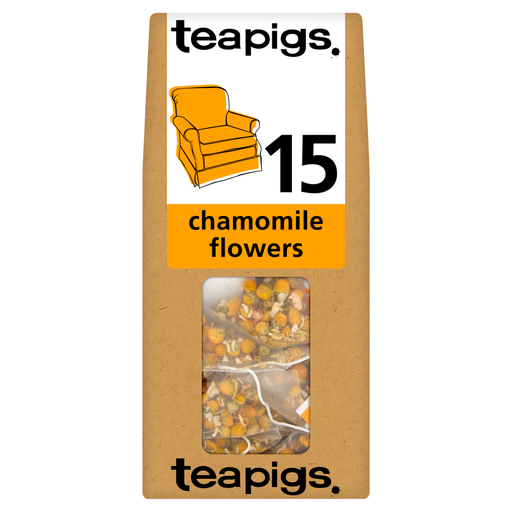
Teapigs Chamomile Flowers, 15 tea bags, 180g
A caffeine-free, single-ingredient chamomile infusion if you want an herbal cup without a multi-herb blend. It will not have the flavour of conventional strong black tea; check the pack against your individual ingredient requirements.
View on Joybuy
 No image available
Tetley Decaffeinated Green Tea, 50 tea bags, 100g
A decaffeinated tea-leaf option if you are open to green tea instead of a black-tea or herbal cup. It is not labelled caffeine-free, and its green-tea style should not be mistaken for a strong traditional black tea; check caffeine information if you need a specific limit.
View on Joybuy
Bedtime tea questions
Are strong tea bags a suitable choice before bed?
Not if your aim is to reduce caffeine close to bedtime: regular black tea contains caffeine regardless of how strong you like its flavour. Twinings says longer brewing increases caffeine extraction, and the European Food Safety Authority says caffeine near bedtime may affect sleep in some adults.
Is decaf tea the same as caffeine-free tea?
No. Twinings says minor traces can remain in decaffeinated tea. If avoiding tea-leaf caffeine is your priority, look for a herbal infusion explicitly labelled naturally caffeine-free and check its ingredients rather than relying on the word “herbal” alone.
What if I want a bedtime cuppa with milk?
Start by considering decaf black tea if a conventional black-tea style matters to you. Yorkshire Tea positions its Decaf for bedtime drinking, and Clipper describes Everyday Decaf as a robust black-tea blend; neither description establishes that the prepared cup is caffeine-free.
Should I check the ingredients in a bedtime herbal tea?
Yes. Herbal blends can contain different botanicals, fruit, spices and flavourings. Read the full ingredients and declared allergen information for the particular blend, especially if you avoid an ingredient or have an allergy.
How does pregnancy change the caffeine check?
Consider caffeine across the whole day, not just in a bedtime tea. NHS pregnancy guidance says not to have more than 200 mg a day and identifies tea alongside several other caffeine sources; check the product’s caffeine wording and speak to your midwife about individual concerns.


