Tea drinkers with supper near bedtime
If you want black tea after eating but are concerned about caffeine affecting sleep, start with a decaf blend. The NHS advises that caffeine’s effects can last up to seven hours.


For supper close to bedtime, choose a decaf black tea described as strong or full-bodied rather than assuming an extra-strong regular tea suits the occasion. The NHS notes that caffeine’s effects can last up to seven hours; regular black tea remains an option when caffeine at that time is acceptable to you. Decaf is not necessarily caffeine-free, so check the pack if a particular caffeine amount matters.
If you want black tea after eating but are concerned about caffeine affecting sleep, start with a decaf blend. The NHS advises that caffeine’s effects can last up to seven hours.
If a fuller black-tea flavour matters with milk, compare decaf blends that their makers describe as strong, robust or rich. Those descriptions indicate the intended flavour, not the result of a taste test.
If caffeine at supper time is acceptable to you, an extra-strong regular black tea may suit your preferred flavour. It is a different choice from decaf when bedtime is close.
Choose when: Supper is close to bedtime and you still want the character of black tea.
Bear in mind: Decaf can contain some caffeine, and brands report amounts using different measures.
Choose when: A bolder conventional black tea matters more to you and caffeine at that time is acceptable.
Bear in mind: The NHS says caffeine’s effects can last up to seven hours, which matters if supper is near bedtime.
| Priority | What to check | Your needs |
|---|---|---|
| Evening caffeine | Check whether the tea is labelled decaffeinated or is regular black tea. Consider how close supper is to bedtime; the NHS says caffeine’s effects can last up to seven hours. | If I am drinking tea just before bed, limiting caffeine matters more than choosing an extra-strong regular blend. |
| Black-tea flavour | Look for product-specific descriptions such as strong, robust, rich or full-bodied. Treat these as the maker’s flavour descriptions, not directly comparable taste measurements. | I want a familiar black-tea cup, perhaps with milk, without choosing regular tea solely for its stronger-sounding name. |
| Decaf information | Read the unit and conditions beside any caffeine figure. Yorkshire Tea states an average of 1.5–2 mg for its Decaf in a 200 ml cup brewed for five minutes; Tesco lists PG Tips Decaf as containing less than 0.2% caffeine. A per-cup amount and a percentage are not interchangeable. | When a particular caffeine amount affects my choice, I need a figure that applies to the tea and preparation I plan to use. |
| Preparation and pack | Check the bag count or weight and follow the brewing instructions for the exact product. Confirm current ingredient and decaf wording on the pack if those details matter to your choice. | I want to know which pack I am buying and how its maker suggests preparing the cup. |
Extra-strong regular black tea can match a preference for bold flavour while still containing caffeine. The NHS notes that caffeine’s effects can last up to seven hours.
If supper is near bedtime, decide whether caffeine suits you before comparing flavour descriptions; consider a fuller-flavoured decaf if it does not.
Yorkshire Tea gives an average per-cup figure for a specified volume and brew time, whereas Tesco gives a percentage threshold for PG Tips Decaf. The two figures do not describe the same measure.
Compare caffeine figures only when their units and preparation conditions are compatible. Check the individual pack when a specific amount matters.
Pack wording is important when your decision depends on a decaf declaration, ingredients or a stated caffeine amount.
Read the current pack for those details before relying on an online description.
Brewing changes the cup, and a stated caffeine amount applies only under its specified preparation conditions. A longer brew of regular black tea does not make it decaf.
Start with the instructions for your chosen tea. If you want decaf and a fuller flavour, compare the blends described that way rather than changing the preparation of regular tea.
These references concern particular tea blends, not every product made by each brand.
Yorkshire Tea Decaf is a black-tea option for someone seeking a stronger-tasting decaf cup.
Twinings has both Strong English Breakfast regular tea and a decaffeinated English Breakfast blend.
Clipper Organic Everyday Decaf is an option for shoppers interested in a rich black-tea style and the product’s organic positioning.
PG Tips Decaf is a decaffeinated black-tea option described as full-bodied in Tesco’s UK listing.
Typhoo Decaf Premium is a black-tea option whose maker describes it as smooth and full-bodied.
Tetley Extra Strong belongs to the regular black-tea route when caffeine at supper time is acceptable.
These options include decaf black teas for a later cup and one regular extra-strong tea for occasions when caffeine is acceptable.
 No image available
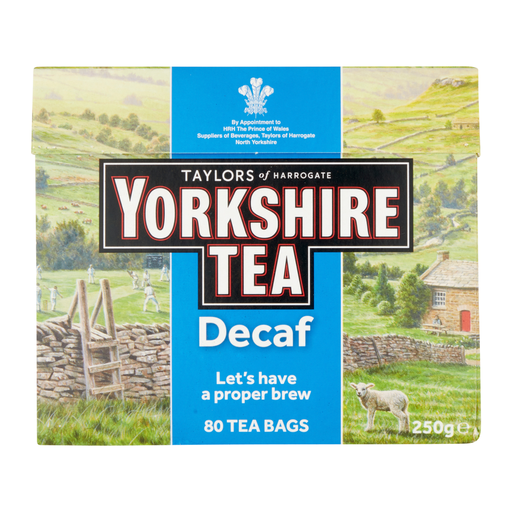
A decaf black tea to consider when supper is near bedtime and you want the strong flavour Yorkshire Tea describes for its Decaf blend. The pack is labelled 250g; check its current caffeine and brewing information if a particular amount matters to you.
 No image available
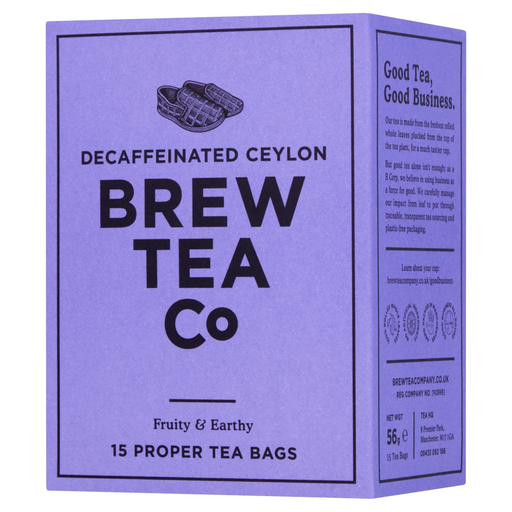
A 15-bag decaf option for a later black-tea cup. The product description calls the tea full-bodied, but its decaf and ingredient wording should be checked on the current pack if either is important to your choice.
 No image available
A 40-bag decaf option described in its product information as full-bodied and smooth. If you need a particular caffeine amount or brewing method, check the current pack before choosing it.
 No image available
A decaf black-tea option for a cup later in the evening. Its product description calls the flavour rich and smooth rather than explicitly extra-strong; check the pack if a specific caffeine amount matters.
 No image available
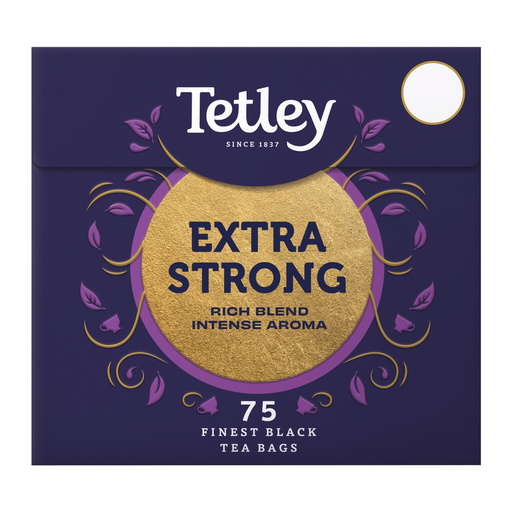
A regular black tea for a stronger-flavoured cup when caffeine at supper time is acceptable. This 75-bag pack is not decaf; Sainsbury’s gives a two-to-three-minute brewing recommendation for Tetley Extra Strong.
It can if caffeine at that time is acceptable to you. Extra-strong regular black tea is not decaf, and the NHS notes that caffeine’s effects can last up to seven hours, so consider a decaf option when supper is close to bedtime and sleep is a concern.
Some makers describe their decaf blends that way: Yorkshire Tea calls its Decaf strong, while Clipper describes Organic Everyday Decaf as full and rich. These are descriptions of the respective products, not a guarantee that every decaf will taste the same, particularly with milk.
No. Yorkshire Tea states an average of 1.5–2 mg caffeine for a 200 ml cup of its Decaf brewed for five minutes, while Tesco lists PG Tips Decaf as containing less than 0.2% caffeine. Because those are different measures, check the relevant pack and preparation conditions rather than comparing the numbers directly.
Start with the brewing guidance for the exact tea you buy. A longer brew changes the cup but does not turn regular black tea into decaf; if limiting evening caffeine is your priority, choose the type of tea before adjusting how you brew it.