
24/7 Customer Support

Free returns

Same-day & Next-day Delivery

Quality Guaranteed

Unlock Your Welcome Offers: FREE Delivery | Up to 80% OFF | Free 30-day JoyPlus trial
Download the APP
For any home baker in the UK, the journey to a perfect loaf—with its crisp crust and light, airy crumb—begins with the right flour. But with so many options on the shelf, choosing the correct strong white bread flour can feel surprisingly complex. Marketing terms can be misleading, and a simple mistake in selection can lead to dense, disappointing results.
As the Joybuy Product Recommendation Officer, my role is to help you navigate these choices. This guide cuts through the clutter, focusing on the essential factors for selecting a quality flour for bread making and highlights common pitfalls to avoid so your next bake is a success.
Before you buy, be aware of a few common issues that can lead to wasted money and baking frustration.
To ensure you get a flour that performs reliably, focus on these two key parameters.
The single most important factor for strong white bread flour is its protein content. This figure, found in the nutritional information, directly indicates the flour's potential to form gluten.
Your baking frequency should guide your purchase size.
Based on these practical criteria, here are a few recommendations matched to different types of home bakers.
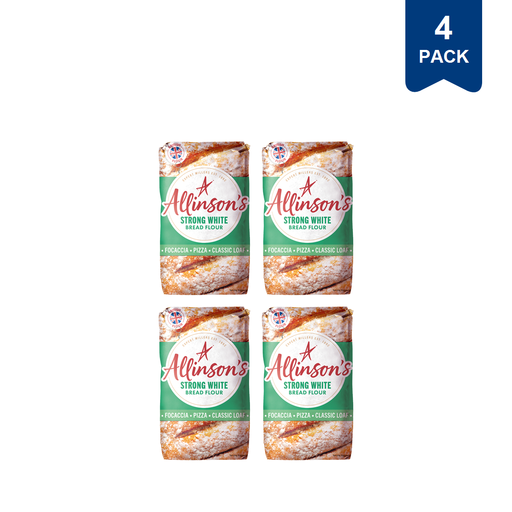
Why This Fits Their Persona: For those who bake several times a week, this bulk pack from a trusted UK brand offers both consistency and value. It's a workhorse flour that performs reliably in everything from a simple white tin loaf to pizza dough, making it ideal for families.
It avoids the "high protein" trap by delivering a specified 12g of protein per 100g, ensuring it has the gluten-forming strength needed for a proper rise without relying on vague marketing.
A reliable and consistent flour from a well-known brand, perfect for both hand-baking and bread machines. The 4kg total quantity offers excellent value.

Why This Fits Their Persona: This Japanese-milled flour is for the baker seeking superior performance. Its higher protein content is perfect for developing the open, chewy crumb characteristic of sourdough, ciabatta and other high-hydration artisan loaves.
It bypasses the "artisan" marketing trap by providing a verifiable specification: a high 13g of protein per 100g. This is a tangible measure of quality that translates directly to performance.
The extra protein provides excellent dough elasticity and gas retention, resulting in a superior rise and a satisfyingly chewy texture.

Why This Fits Their Persona: This is a solid, no-frills high-gluten flour for the home cook who needs a versatile product. It's strong enough for bread and pizza dough but also works well for making noodles or other recipes that require a good chew.
This flour avoids confusion by being clearly labelled as 'High-Gluten' and backing it up with a strong 12.5g protein content, ensuring it's fit for purpose and not just a standard plain flour.
A pure and simple ingredient with 100% wheat and no additives. Its reliable performance makes it a great pantry staple for a wide range of yeast-leavened recipes.
We have compiled a complete, real-time list of products that fully satisfy these strict selection criteria and UK safety regulations.
Yes, absolutely. Strong bread flour is the ideal choice for most bread makers. Its high protein content creates the robust gluten structure needed to withstand the machine's automated kneading and proving cycles, ensuring a well-risen loaf with a good texture.
The primary difference is the protein content. Strong white bread flour typically contains 12-14% protein, which is essential for developing the strong, elastic gluten network that gives bread its characteristic chewy, airy structure. Plain flour has a lower protein content (around 9-11%) and creates a more tender, crumbly texture, making it better suited for cakes, biscuits and pastries.
To maintain freshness, you should transfer flour from its original paper packaging into a large, airtight container. Store this container in a cool, dark and dry place, such as a kitchen pantry. This method protects the flour from absorbing moisture, prevents infestation by pests and stops it from picking up odours from other foods, preserving its quality for months.