For a fuller-tasting Bonfire Night cup, start with a green tea described as rich, such as Pukka Supreme Matcha Green, which Tesco describes as a blend of three green teas and matcha. Teapigs Mao Feng and Clipper Pure Green are described as delicate alternatives if you prefer plain green tea; whichever you choose, follow its brewing directions and check caffeine information separately rather than treating flavour strength as a caffeine measure.
Who is this choice for?
Bonfire Night hosts seeking more noticeable flavour
If your usual green tea tastes too light, compare products described as rich with those described as delicate. A matcha-containing blend offers a different flavour direction from a plain green tea, but its name alone does not establish how strong the cup will taste.
Drinkers who prefer plain green tea
Teapigs describes its pure Mao Feng as delicate, while Clipper describes Pure Green as light and delicate. Both have product-specific brewing directions worth following before deciding whether the flavour suits you.
Evening tea shoppers checking caffeine
Do not use a tea’s flavour description to judge its caffeine content. Teapigs states that Mao Feng naturally contains caffeine, and the NHS notes that caffeine in tea varies with factors including tea type and brewing time.
What should you check before choosing?
Choose the flavour direction first, then check the instructions and product details that matter for the cup you plan to serve.
| Priority | What to check | Your needs |
|---|
| Flavour |
Read the taste description and ingredients. Tesco describes Pukka Supreme Matcha Green as zesty and rich, with three green teas and matcha; Teapigs calls Mao Feng delicate. |
For a Bonfire Night cup that tastes more noticeable than my usual green tea, I would start with a product described as rich rather than assume every matcha or green-tea bag tastes bold. |
| Brewing |
Follow the directions for the exact tea. Teapigs specifies 80°C water and three minutes for Mao Feng; Clipper says to cool boiled water for one minute, then infuse Pure Green for one to three minutes. |
I want to judge the tea after brewing it as directed, rather than using the same water temperature and infusion time for every green tea. |
| Caffeine |
Check the current pack if caffeine matters. Tesco’s Pukka Supreme Matcha Green listing describes a green-tea-and-matcha blend but also calls it naturally caffeine-free; the NHS says caffeine amounts in tea can vary. |
For an evening drink, I need a clear caffeine statement rather than treating a fuller flavour—or an inconsistent online description—as an answer. |
| Ingredients and sourcing |
Check claims on the specific product. Clipper lists organic pure green tea as the ingredient in Pure Green and states that its tea is traded in compliance with Fairtrade standards. |
If a simple ingredient list or Fairtrade sourcing matters to me, I would check that the claim applies to the tea I am buying, not just to its brand. |
| Serving format |
Check whether the pack contains tea bags, tea temples or loose tea, and how many servings the chosen format provides. |
For a gathering, I may want individual bags that are straightforward to prepare; for a quiet cup, I might prefer a different format. |
Common buying mistakes
-
Assuming “matcha” means a high-matcha tea
A matcha-containing blend can suit a richer-flavour preference without containing a large proportion of matcha. Pukka’s own shop response says Supreme Matcha Green contains 2% matcha.
Check the ingredient list and any stated proportion if matcha content is central to your choice. Choose matcha powder rather than a bagged blend if powder is the format you require.
-
Using one brewing method for every green tea
Product instructions differ, so a cup made with an arbitrary temperature or infusion time may not reflect the maker’s intended preparation.
For Teapigs Mao Feng, use its stated 80°C water and three-minute infusion. For Clipper Pure Green, cool boiled water for one minute and infuse for one to three minutes.
-
Relying on an inconsistent caffeine description
Tesco describes Pukka Supreme Matcha Green as containing green tea and matcha while also calling it naturally caffeine-free. That wording does not give caffeine-conscious shoppers a clear basis for choosing it.
Check the current pack or ask the manufacturer before relying on it as a caffeine-free option. If you need a decaffeinated tea, look for a product whose status is clearly stated.
Brands and product ranges to consider
Pukka
Pukka Supreme Matcha Green is a blend to consider when a richer flavour description matters more than a plain-green-tea ingredient list.
- Tesco describes this product as combining three green teas with matcha and having zesty, rich flavours.
- Pukka’s own shop response says it contains 2% matcha. Tesco’s caffeine wording is inconsistent, so check the current pack if caffeine matters.
Teapigs
Mao Feng is a pure-green-tea option for shoppers interested in a delicate cup rather than an explicitly bold blend.
- Teapigs lists pure Mao Feng green tea and gives a preparation method of 80°C water for three minutes.
- Teapigs describes the flavour as delicate and states that the tea naturally contains caffeine.
Clipper
Pure Green suits shoppers who want a straightforward green-tea ingredient list and product-specific sourcing information.
- Clipper lists organic pure green tea and states that its tea is traded in compliance with Fairtrade standards.
- Clipper describes Pure Green as light and delicate, not as an extra-bold tea.
Twinings
The Twinings green-tea collection offers several styles to compare, including pure green tea, matcha powder, a green-and-black-tea blend and a decaffeinated option.
- Different formats let shoppers narrow their choice by ingredients and intended preparation.
- The collection does not provide a comparable flavour-strength scale across those products.
Tesco
Tesco is a retailer reference for comparing listed green-tea products from brands including Pukka, Clipper, Twinings and Teapigs.
- Its green-tea range shows how bagged blends and pure-green-tea products differ in format and pack size.
- Check the individual product listing and current pack details rather than assuming information about one tea applies to another.
Green tea options on Joybuy
These bagged ITOEN green teas offer two ways to choose a hot Bonfire Night cup: plain green tea described as bold by its listing, or a matcha genmaicha blend with a different flavour profile. Neither product title establishes a measured strength or caffeine level.
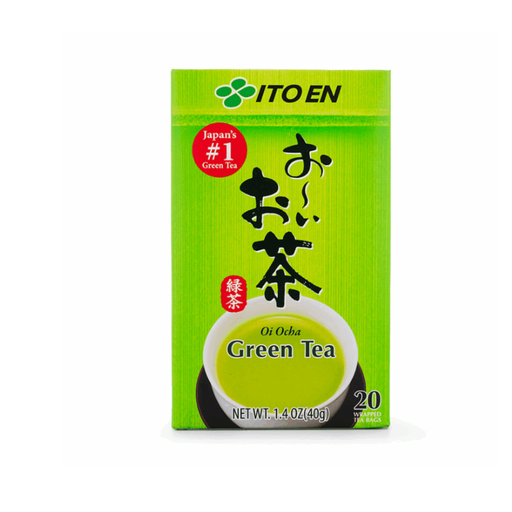 Image unavailable
ITOEN OH-I OCHA Green Tea Bags, 20 bags, 40g
For a plain bagged green tea, the product description calls this one rich and bold and says it can be brewed hot; those words are a flavour description, not a measured strength rating. The pack contains 20 tea bags and weighs 40g. Check the pack for brewing directions and caffeine information if either affects your choice.
View on Joybuy
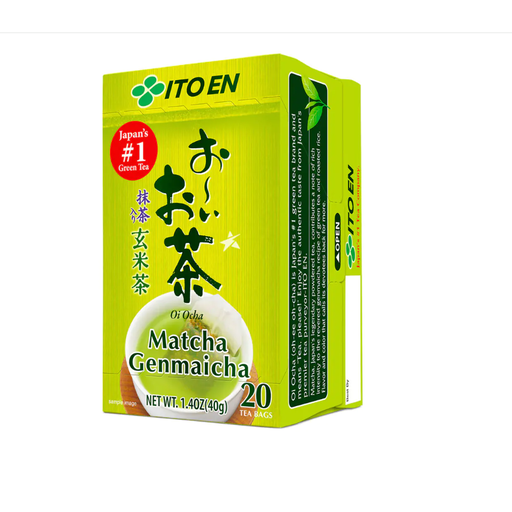 Image unavailable
Itoen Oi Ocha Japanese Matcha Genmaicha Tea Bags, 20 bags, 40g
Consider this matcha genmaicha blend if you want a bagged tea with a different flavour direction from plain green tea. Its listing describes a nutty, umami flavour, but that description does not establish a measured strength level. The pack contains 20 tea bags and weighs 40g; check the pack for brewing directions and caffeine information.
View on Joybuy
Questions about stronger-tasting green tea
Does stronger-tasting green tea contain more caffeine?
Flavour strength does not tell you how much caffeine a green tea contains. Teapigs states that its Mao Feng naturally contains caffeine, while the NHS says caffeine amounts in tea can vary with tea type and brewing time. Check the specific product if caffeine matters.
How can I choose a fuller-flavoured cup for Bonfire Night?
Start with the product’s flavour description: Tesco describes Pukka Supreme Matcha Green as rich and zesty, whereas Teapigs describes Mao Feng as delicate. Then follow the chosen tea’s brewing directions rather than assuming that a longer infusion will give you the cup you want.
Can I rely on Pukka Supreme Matcha Green as a caffeine-free evening tea?
Do not rely on Tesco’s online description alone: it calls the product naturally caffeine-free while also describing a blend of green teas and matcha. Check the current physical pack or contact Pukka before choosing it for a caffeine-free need.


