What matters when choosing
Start with the damp source and the room’s usual temperature. Those conditions determine which specifications deserve attention before you compare convenience features.
| Concern |
What to check |
Who this matters to |
| Persistent damp or mould |
Look for humidity controls and a full-tank shut-off, while arranging for the cause of recurring damp to be investigated. |
If mould or condensation keeps returning, I need to manage moisture without losing sight of a possible housing repair. Around 29% of consumers would put that combined need first. |
| Noise near a desk or bed |
Check the stated noise level for the mode you would use, plus timer and humidity-control options. |
When I study or sleep in the same room, an appliance that disrupts me is difficult to use regularly. Quiet, controllable operation would come first for around 24% of consumers. |
| Indoor laundry and water handling |
Check for a laundry mode, tank capacity and shut-off; rely on continuous drainage only if a suitable route is permitted. |
If I dry clothes indoors, I need a manageable way to collect the added moisture. Around 18% of consumers would make laundry and tank emptying their primary concern. |
| A cold room |
Match the exact model’s stated operating-temperature range to the room’s likely conditions. |
In a poorly heated bedroom, I cannot choose on extraction rate alone if the room may be colder than the model’s stated minimum. Cold-room suitability would lead the choice for around 12% of consumers. |
| Electricity use |
Compare stated electricity consumption and check how the model controls operation around a humidity target. |
If the unit may run regularly, I want to understand its electricity use rather than leave it running without a clear target. Around 17% of consumers would prioritise that control. |
Joybuy dehumidifiers for student rooms
These choices address damp-air management in a bedroom; some also have laundry features. Compare each model with your room temperature, available space and water-emptying arrangements rather than assuming the same setup suits every student room.
 No image available
TRULIVA 25 L/day dehumidifier with 2.8 L tank and drain hose
Consider its laundry-drying function if you dry clothes in your room and can accommodate the appliance. The product name states 25 L/day extraction, auto defrost, a 2.8 L tank and a continuous-drain hose.
Use the hose only where a suitable drainage route is permitted. If the bedroom is cold or the unit will run beside your desk or bed, check the exact operating-temperature and noise guidance for the modes you intend to use.
View on Joybuy
 No image available
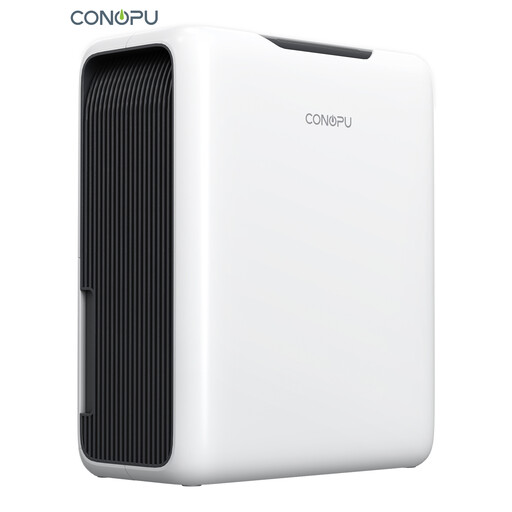
CONOPU CS13 dual-semiconductor dehumidifier, 3 L tank
For a room within its stated 20 m² coverage, this model offers a 24-hour timer and automatic full-tank shut-off. Its product name gives a maximum moisture-removal figure of 800 ml/day; that is not a guaranteed result in your room.
Check the exact operating guidance if the bedroom is poorly heated, and confirm that its controls suit the way you intend to manage humidity.
View on Joybuy
 No image available
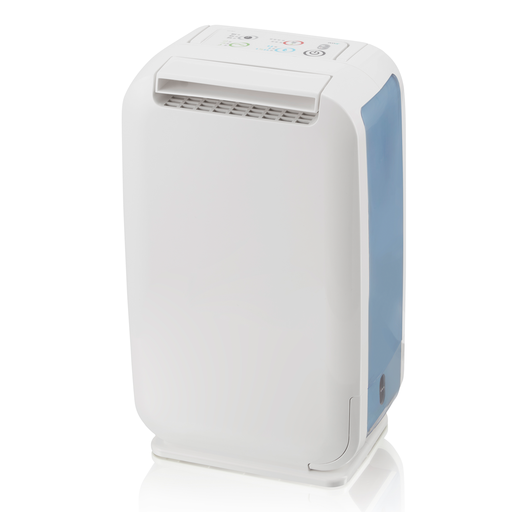
EcoAir DD1 Mini desiccant dehumidifier, 1.8 L tank
The DD1 Mini has a laundry mode and a stated extraction figure of 6 L/day. Its 1.8 L tank makes the emptying routine worth considering if you regularly dry clothes indoors.
For a cold bedroom, confirm the exact model’s operating-temperature range. Check its noise specification too if you plan to run it while studying or sleeping; the DD1 Classic’s specifications should not be applied to this different model.
View on Joybuy
 No image available
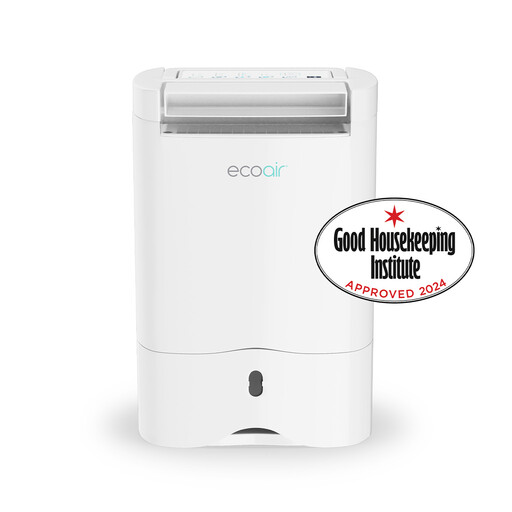
EcoAir DD3 Slimline desiccant dehumidifier, 3 L tank
Its slimline design, laundry mode and 3 L tank may be relevant when floor space and indoor clothes drying both matter. The product name states 10 L/day extraction; actual collection will depend on room conditions.
Confirm the DD3 Slimline’s temperature and noise specifications for your room. A drainage option is useful only if you have a suitable, permitted route for the water.
View on Joybuy
 No image available
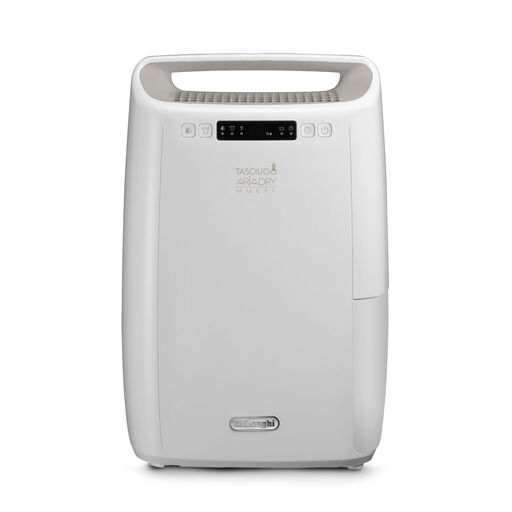
DE'LONGHI AriaDry Multi DEX214RF dehumidifier
Consider the laundry function if clothes drying is part of your room’s moisture load. The product name states 14 litres/day extraction and anti-allergy filtration; neither establishes how much water it will collect in your room.
Confirm the model identifier before ordering, as the product information also uses DEXD214RF. Check the exact model’s operating-temperature guidance and electricity consumption against your intended use.
View on Joybuy
Frequently asked questions
Will a dehumidifier solve mould in my rented student room?
No: a dehumidifier may help manage airborne moisture, but it cannot repair a leak or correct inadequate ventilation. Report recurring mould or damp to your accommodation provider in writing and keep photographs and dates; arrange for the underlying cause to be investigated.
Should I block vents while the dehumidifier runs?
No: a dehumidifier does not replace fresh-air ventilation. UK Government home-ventilation guidance explains that moisture can become trapped without effective ventilation, so do not block trickle vents or an extractor fan to make the appliance run.
Is a desiccant or compressor model more suitable for a cold bedroom?
Choose by the exact model’s stated operating-temperature range, not its technology name alone. EcoAir specifies 1–40°C for the DD1 Classic desiccant model, while Pro Breeze specifies 5–32°C for its 12L compressor model; check your room’s likely temperature against whichever model you are considering.
Can I use my own dehumidifier in student halls?
Check your residence licence or ask the accommodation team before bringing one in, because permission depends on your accommodation’s rules. You will also need a suitable place for the unit and its water tank or drainage route; avoid overloaded sockets and damaged electrical equipment.
How should I compare electricity use?
Compare each exact model’s stated electricity consumption and the way you expect to run it, including its mode and hours of use. A humidistat gives you a humidity target, but do not assume that one manufacturer’s consumption figure predicts another model’s use or your room’s extraction result.


