Students stocking a snack drawer
Check the number of bars and the stated portion weight if you want to keep a few treats in your room or take one to a lecture.


Choose the portion format before the brand: smaller bars suit a snack you want to take out separately, while a larger bar suits someone who deliberately wants that serving size. Compare the number and weight of portions, then check the exact pack’s nutrition and allergen information—especially before sharing it with new flatmates.
Check the number of bars and the stated portion weight if you want to keep a few treats in your room or take one to a lecture.
Ask about relevant allergies before buying food for everyone, then read the ingredient and may-contain information on the exact pack.
Look beyond the outer-pack count: the weight of each stated portion affects how useful per-bar nutrition figures are for your comparison.
Start with the portions you would actually take or share, then compare labels for packs of a suitable format.
| Priority | What to check | Your needs |
|---|---|---|
| Portable portions | Check the bar count, grams per bar and whether the portions are separately wrapped if you need to carry them individually. | I want to take one bar to a lecture without dividing an opened sharing pack. |
| Nutrition labels | Compare figures per 100 g on the same basis, then read the stated per-portion figures alongside the amount you expect to eat. The NHS notes that a manufacturer’s portion may differ from yours. | A larger pack count alone does not tell me the size of each treat. |
| Allergens | Read the exact flavour’s ingredients and may-contain statements on the current wrapper; do not assume that another bar from the same brand has the same declaration. | If I am sharing a kitchen or offering bars to flatmates, I need to check their allergies before choosing a pack. |
| Dates and storage | Check the pack’s date marking, storage instructions and packaging condition. GOV.UK distinguishes best-before dates, which concern quality, from use-by dates, which concern safety. | I would like cupboard snacks that I can store as the label directs, without treating a best-before date as a use-by date. |
The manufacturer examples include 18 g mini bars and 42 g bars, so the number of bars does not describe the portion you will get.
Compare grams per portion as well as the count, particularly if you plan to carry one bar at a time.
The cited Snickers, Twix and KitKat products have different ingredients and may-contain statements; a brand name alone cannot settle whether a particular bar suits a flatmate.
Ask about allergies and check the current wrapper for the exact product and flavour before sharing.
Galaxy reports 229 kcal for a 42 g Smooth Milk bar. A smaller stated portion is not an equivalent basis for a per-bar comparison.
Use the per-100 g panel for a consistent comparison, and the per-portion panel for the amount you intend to eat.
GOV.UK food-labelling guidance says best-before dates concern quality, whereas use-by dates concern safety. Packaging condition and storage still matter.
Read the marking and storage instructions on your pack; do not apply best-before guidance to food marked with a use-by date.
These examples show how pack formats and ingredients can differ; check the particular product rather than relying on a brand-wide assumption.
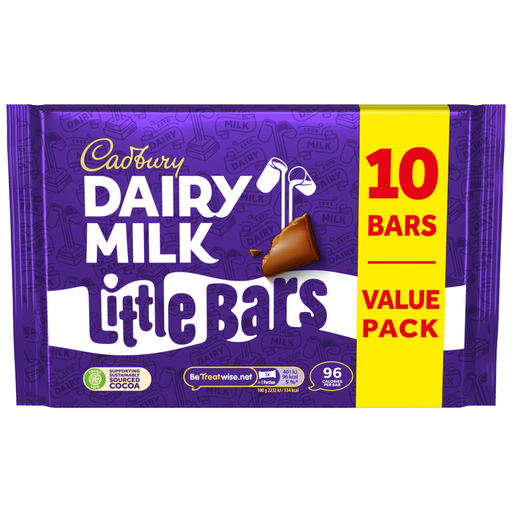
Cadbury UK describes its Dairy Milk Little Bars 10-pack as 18 g milk-chocolate bars.
The Galaxy Smooth Milk multipack contains four 42 g bars, according to the manufacturer.
Manufacturer listings include MARS Caramel bars at 34.5 g each and a MARS Fun Size product with stated 18 g portions.
The manufacturer lists a Snickers Peanut multipack of twelve 34.5 g bars.
The cited Twix Twin Finger pack contains four twin bars, each comprising two 20 g fingers.
KitKat describes an eight-bar multipack of its 2 Finger Hazelnut chocolate biscuit bars.
These options cover smaller chocolate bars and chocolate-coated biscuit or wafer bars for stocking student snacks. Compare their stated pack formats, and check the current wrapper if you intend to share.
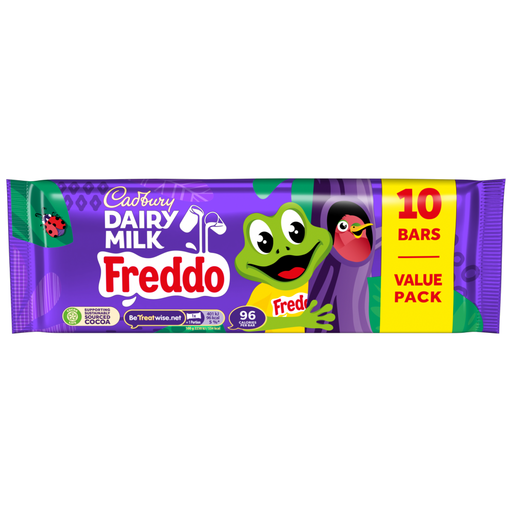 No image available
A ten-bar pack to consider if you want several smaller chocolate treats for your room.
The product information identifies milk and warns that it may contain nuts. Check the current wrapper before sharing, along with its storage instructions and date.
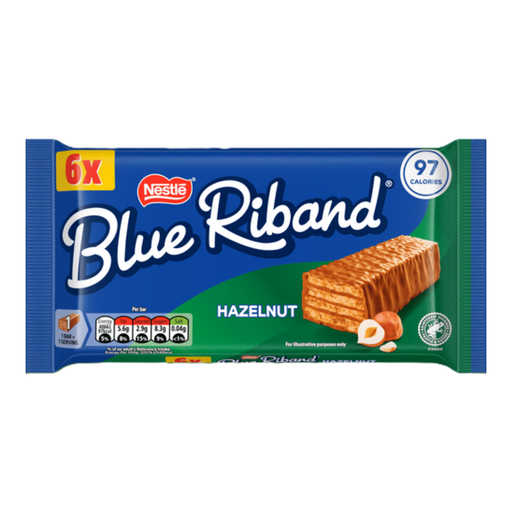 No image available
A chocolate-coated wafer option if that texture matters more to you than a solid chocolate bar.
The product information identifies wheat, milk, soya and hazelnuts, with a may-contain warning for peanuts and other nuts. Read the exact wrapper before sharing.
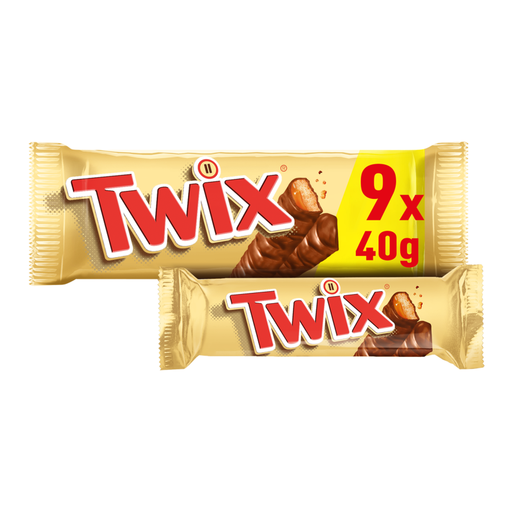 No image available
Nine twin bars suit someone stocking biscuit-and-caramel treats; check whether the twin-bar format is the portion you want to carry.
The product information identifies milk, soya and wheat and includes a may-contain warning for nuts. If separate wrapping matters, confirm the pack format before buying.
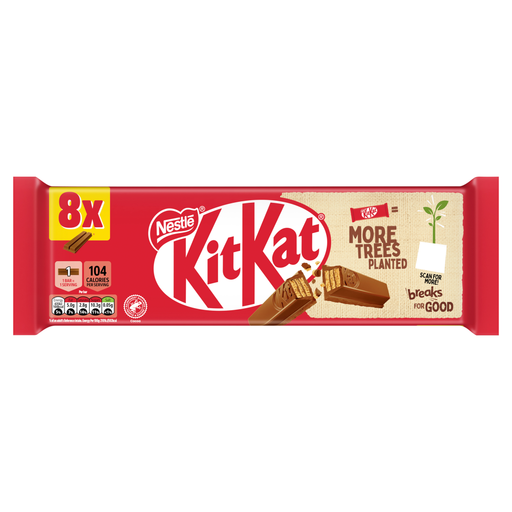 No image available
An eight-bar wafer multipack with a stated 20.7 g bar size for comparing portions.
The product information identifies milk and wheat. Check the current wrapper before sharing, and confirm the wrapping format if you need to carry bars separately.
 No image available
Cadbury UK describes this ten-bar, 180 g format as 18 g mini milk-chocolate bars. If you need individually wrapped carry portions, check the packaging before buying.
The product information identifies milk and warns that it may contain nuts and wheat; read the current wrapper before sharing.
Check both, but start with the number of stated portions and their weight: those tell you how many snacks the pack contains and the size of each one. For nutrition comparisons, the NHS explains that labels give figures per 100 g and sometimes per portion.
Only after you have asked about allergies and checked the exact current wrapper. The cited Snickers Peanut product contains peanuts, while the cited Twix and KitKat products have different ingredient and may-contain statements; another flavour or pack may differ again.
No. A smaller stated portion tells you the size of that bar, not how two recipes compare. Read the per-100 g figures on the same basis and use per-portion figures for the amount you intend to eat; the NHS cautions that a manufacturer’s portion may differ from yours.
Best before concerns quality rather than the safety deadline indicated by a use-by date, according to GOV.UK guidance. Follow the chocolate pack’s storage instructions and check its condition; do not treat the two types of date marking as interchangeable.