For proposal writing at a fixed desk, start with 8GB RAM and a 256GB-or-larger SSD, the baseline in the University of York’s taught-student guidance. Choose an all-in-one if you want the primary screen built in, a mini PC if you prefer to choose the display separately, or a tower if future memory and storage upgrades matter. Check your course software and the complete set of accessories before deciding.
Who this setup suits
Fixed-desk proposal writer
You draft documents, consult research and PDFs, manage references and occasionally join video calls from the same desk. The University of York’s taught-student guidance gives you a starting point of 8GB RAM and a 256GB-or-larger SSD.
Small-room setup planner
You need room for both the computer and a usable screen. An all-in-one incorporates its primary display; with a mini PC, check what you will need to obtain or reuse alongside the computer unit.
Course-software and multitasking checker
You may need specialist applications, external equipment or more working space on screen. The University of Bristol advises checking with your school before buying a computer, particularly when course requirements affect the choice.
What matters when choosing
Decide whether the desktop meets your everyday writing needs, fits as a complete workstation and works with any course-specific software or equipment.
All-in-one desktop
Choose it when: You want the computer and primary display in one unit on a small desk.
Trade-off: Replacing the display and computer separately is less flexible than with a mini PC or tower.
Mini PC and separate monitor
Choose it when: You want a small computer unit but prefer to select or reuse your own display.
Trade-off: The monitor and input devices need to be accounted for when planning the complete desk.
Conventional desktop tower
Choose it when: Adding memory or storage later matters more than minimising the computer unit’s footprint.
Trade-off: Allow room for the tower as well as a separate screen and input devices.
macOS mini desktop
Choose it when: Your course applications and connected devices are confirmed to work with macOS.
Trade-off: Plan for an external display and check compatibility before committing to the operating system.
| Concern | What to check | Who this matters to |
|---|
| Everyday writing and research |
Use the University of York’s 8GB RAM and 256GB-or-larger SSD study baseline; check whether heavier multitasking calls for more memory. |
When I am drafting alongside browser tabs, PDFs and references, I want the desktop to handle my routine work without choosing specifications for an unrelated workload. Around 42% of consumers put this everyday workflow first. |
| A complete desk setup |
Measure the space and check the display, keyboard and mouse you have or will need with the exact desktop. |
If my student-room desk is tight, I need to know where the screen and computer will sit before I choose a compact unit. For around 33% of consumers, fitting out the workspace is the primary concern. |
| Course requirements and future capacity |
Confirm required software, operating system and device connections with your department; check upgrade options if your workload may change. |
My proposal may lead to work using specialist applications or connected equipment, so compatibility matters more to me than the computer’s size. This is the main priority for around 25% of consumers. |
Buying pitfalls
-
Comparing computer units instead of complete workstations
A mini PC still needs a screen and input devices to become a usable writing desk. Lenovo says the monitor, keyboard and mouse for its IdeaCentre Mini Gen 10 are optional and sold separately.
List the display, keyboard, mouse and any call equipment you need for each configuration before comparing setups.
-
Choosing an operating system before checking course software
A desktop suited to document writing may not run a required specialist application or connect to course equipment.
Check the department’s software, operating-system, accessibility and device requirements before choosing a Windows or macOS desktop.
-
Buying extra processing power solely for document writing
More demanding specifications address particular workloads; they do not, by themselves, establish a benefit for drafting a proposal.
Start with the study requirements and your intended applications. Consider higher specifications when your course or planned work calls for them.
Relevant brands to consider
Lenovo
Lenovo’s IdeaCentre Mini line is relevant when the computer unit needs to occupy little room and you want to select the display separately.
- Lenovo describes the IdeaCentre Mini Gen 10 as a 1L desktop and lists configurations including 8GB RAM with a 256GB SSD.
- Lenovo lists the monitor, keyboard and mouse as optional and sold separately; check the exact setup you intend to use.
HP
HP’s all-in-one desktops are relevant when you want the primary display and computer in the same unit.
- The HP All-in-One 24-cr0062na listed by HP combines a 23.8-inch Full HD display, 8GB RAM and a 512GB SSD.
- Check the accessories in the exact bundle and whether an integrated display suits your plans for later changes.
Dell
Dell’s conventional desktop options are relevant when future changes to memory or storage matter more than the smallest computer unit.
- Dell identifies upgradeable memory and storage as features of its desktop line.
- Check upgrade options and connections on the specific current model rather than assuming they are identical across the range.
Apple
Apple’s Mac mini is a compact desktop option when your course software and peripherals work with macOS.
- Apple lists Mac mini configurations with 16GB unified memory and support for external displays.
- Confirm macOS compatibility with your department and plan for the display and other devices your desk requires.
ASUS
ASUS PN-series mini PCs are relevant when you want a configurable compact computer for a separately chosen display.
- ASUS lists PN-series options with different display and connectivity configurations.
- Check the operating system, memory, storage and monitor connections for the exact configuration you select.
Joybuy desktops for a fixed study desk
These all-in-one, mini PC and tower choices cover different ways to set up a fixed desk for proposal writing. Compare each computer as part of the workstation you need, including the display and input devices.
 No image available
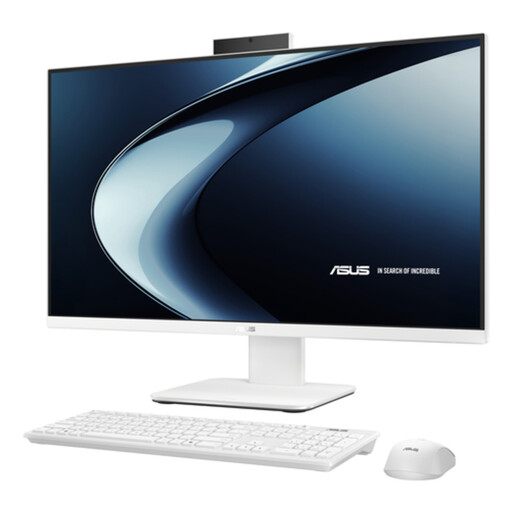
ASUS V400 AiO V470VAK-WPE032W, Core i7-13620H, 16GB/512GB, White
The integrated screen suits a desk where you do not want to choose a separate primary monitor; check which input devices come with this configuration.
27-inch Full HD display; Intel Core i7-13620H; 16GB DDR5 RAM; 512GB SSD; Windows 11 Home.
View on Joybuy
 No image available
Lenovo IdeaCentre Mini PC 01IRH10R, 91B2000XUK, Core 5, 16GB/512GB
This mini PC suits a desk where you plan to choose or reuse a separate display; check the monitor, keyboard and mouse included with the offer.
Intel Core 5; 16GB RAM; 512GB SSD; Grey.
View on Joybuy
 No image available
SOYO S5Air Mini PC, Ryzen 5 7535HS, 16GB/512GB
Consider this mini PC if you want a separate display for your writing desk; confirm that the monitor connections and included accessories fit your setup.
AMD Ryzen 5 7535HS; 16GB LPDDR5 RAM; 512GB NVMe SSD; Windows 11 Pro.
View on Joybuy
 No image available
HP M02-0005na OmniDesk, Ryzen 5 8500, 8GB/1TB
This tower suits a fixed desk with space for the computer unit; check the monitor connection and which peripherals come with the offer.
AMD Ryzen 5 8500; 8GB RAM; 1TB SSD; Windows 11 Home.
View on Joybuy
 No image available
FIREBAT Mini PC, Ryzen 7 7735HS, 16GB/512GB
This compact computer is an option if you will choose a separate screen and input devices. Confirm its operating system before deciding whether it works with your course software.
AMD Ryzen 7 7735HS; Radeon 680M; 16GB RAM; 512GB SSD; dual M.2 slots.
View on Joybuy
Frequently asked questions
What desktop specification is enough for writing a project proposal?
For ordinary taught-study writing, the University of York’s guidance gives 8GB RAM and a 256GB-or-larger SSD as a starting point, alongside an Intel i3 or AMD Ryzen 3 processor. Check your department’s requirements if the project involves specialist applications or equipment.
Should I buy a desktop instead of a laptop for university work?
Choose a desktop if most of your work happens at the same desk and you can accommodate the complete setup. The University of Hertfordshire notes that a desktop can offer better performance for the price, but it cannot be carried around campus as a laptop can.
Do I need to ask my department before buying a desktop?
Yes, if your course may require particular applications, an operating system or connected equipment. The University of Bristol advises checking with your school before purchasing; confirm those requirements before choosing between Windows and macOS or deciding which ports you need.
What should I do with an old desktop or monitor in the UK?
Use an appropriate electrical-waste collection or take-back route rather than general waste. GOV.UK explains that waste electrical and electronic equipment rules aim to support recovery, reuse and recycling; check your local authority’s arrangements or a retailer’s take-back options.


