First-cupboard shoppers
If you are moving in with limited cupboard space, a familiar shape in a pack you will use may be more practical than stocking several unfamiliar formats at once.


Start with a dried pasta shape you expect to cook regularly, then choose a pack you can store in a cool, dry cupboard and use. Wholewheat pasta is worth considering if you want to compare fibre information; if you need to avoid gluten, choose an explicitly labelled product and check its current allergen information. A microwave sauce pouch can simplify the sauce stage, but it does not cook the pasta.
If you are moving in with limited cupboard space, a familiar shape in a pack you will use may be more practical than stocking several unfamiliar formats at once.
If you have limited equipment or weekday cooking time, read the pasta’s hob instructions before relying on a microwave sauce. Dolmio’s Tomato & Basil pouch, for example, is intended to accompany freshly cooked pasta.
Wholewheat and labelled gluten-free pasta answer different needs. Compare the exact pack’s fibre information, ingredients and allergen statements rather than choosing by shape or appearance.
For a student move-in cupboard, settle on a usable shape and pack size, then check preparation and any dietary requirements for the exact product.
| Concern | What to check | Who this matters to |
|---|---|---|
| Pack size and storage | Choose a shape you expect to use; check pack size and its storage directions against your cupboard space. | If I am stocking my first cupboard, I want pasta I can store properly and finish without committing space to an oversized pack. About 42% of consumers would put that practical cupboard fit first. |
| Preparation | Read the pasta’s cooking directions and check that you have the equipment it requires; a microwave sauce still needs cooked pasta. | With a basic kitchen setup, I need to know I can make the meal using the equipment available to me. Preparation would be the primary concern for about 33% of consumers. |
| Fibre and dietary suitability | Compare fibre information if choosing wholewheat; for gluten avoidance, check an explicitly labelled product’s ingredients and allergen statements. | I may be choosing between wholewheat for its fibre information and a separately labelled free-from product for a dietary requirement. About 25% of consumers would place the relevant dietary check first. |
Standard durum-wheat and wholewheat pasta both contain wheat. A shape or brand name alone cannot establish whether an exact product meets a gluten-related requirement.
Choose a product explicitly labelled for your requirement and read its current ingredients, highlighted allergens and any precautionary statement.
Dolmio instructs shoppers to serve its Tomato & Basil microwave pouch over hot, freshly cooked pasta. Heating the sauce does not remove the pasta-cooking step.
Check that you can cook and drain your chosen pasta before planning a meal around a sauce pouch.
Ingredients and allergen information can change. Marks & Spencer’s penne listing, for instance, says the product is not suitable for people with an egg allergy.
Re-read the physical pack’s ingredients, allergen advice, cooking directions and storage instructions when you buy it.
A sauce accompaniment rather than a dried-pasta choice in this selection.
A dried-pasta brand with classic and wholewheat spaghetti formats.
An own-label range spanning standard, wholewheat and free-from dried-pasta choices.
An own-label range that includes standard and wholewheat dried pasta.
A food-cupboard pasta range represented here by a dried penne product.
These products cover a wholewheat fusilli, a standard macaroni and a labelled gluten-free lasagne format. Choose by the meals you plan to make, then check the current pack for preparation and dietary details.
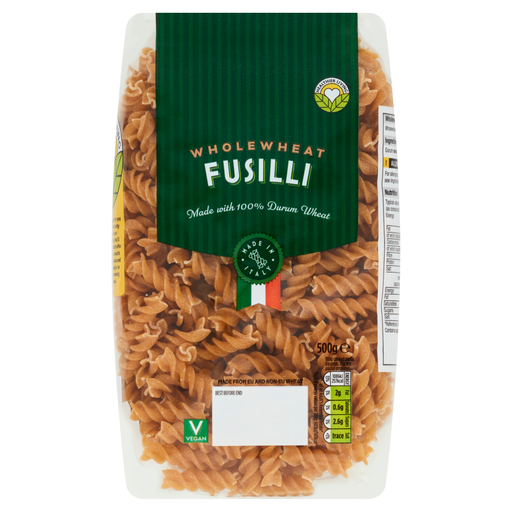 Image unavailable
Consider this fusilli if wholewheat pasta is the cupboard staple you want. The pack is 500 g; check its current fibre information, wheat allergen advice and cooking directions before choosing it.
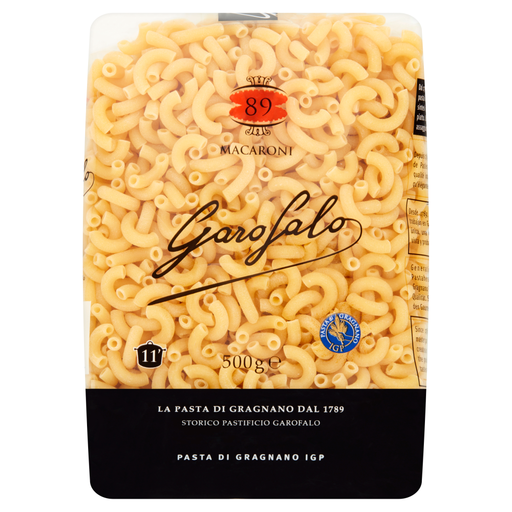 Image unavailable
This macaroni format is an option if you expect to make dishes that call for it. The pack is 500 g; check its cooking directions and allergen information on the current label.
Image unavailable
Choose this labelled gluten-free format if you plan to make lasagne rather than everyday boiled pasta shapes. The pack is 250 g; check its current allergen statement, cooking directions and date before storing it for a later meal.
Start with a pack you have room to store and expect to use. A larger bag is more practical when you already cook that shape regularly and can follow its storage directions; a smaller one leaves you room to find out which meals you make most often.
Follow the portion and water guidance on your chosen pack rather than assuming every shape uses the same directions. Check its cooking time too: Barilla’s stated 9 minutes applies to its Whole Wheat Spaghetti, not to every pasta product.
No. The standard and wholewheat examples described here contain wheat. For a gluten-related requirement, choose an explicitly labelled product and read its current ingredients, allergen declaration and any precautionary statement.
Not when you are serving it with dried pasta that needs boiling. Dolmio says to serve its Tomato & Basil pouch over hot, freshly cooked pasta, so check that you can cook and drain the pasta as well as heat the sauce.