Students short on kitchen time
If dinner needs to be straightforward to prepare, decide whether a cupboard-stored tin or a refrigerated pot fits the space and time you have. Check the heating directions on the particular pack.


Choose a premium chilled soup when its particular ingredients appeal to you and you can refrigerate and use the pot by its use-by date; a premium label does not establish restaurant-quality flavour or make soup a complete dinner. A tin makes more sense as a cupboard standby, while a chilled supermarket pot can work when you can use its stated servings or plan a side. Compare the portion you will actually eat, salt, allergens and storage instructions before choosing.
If dinner needs to be straightforward to prepare, decide whether a cupboard-stored tin or a refrigerated pot fits the space and time you have. Check the heating directions on the particular pack.
Named cheese, cream or a distinctive flavour may matter to you. Judge the recipe on those details and the portion you intend to eat, rather than assuming its label establishes restaurant-quality flavour or a complete dinner.
Read the full allergen declaration and calculate salt for your intended portion. A vegetable-led name alone will not tell you whether a soup contains ingredients such as milk or barley.
Start with where the soup will be stored and how much you will eat; then compare recipes and labels on that basis.
| Priority | What to check | Your needs |
|---|---|---|
| Storage | Check whether the unopened soup belongs in a cupboard or fridge. For chilled soup, check the use-by date and whether that exact product can be frozen. | I need something to keep in the cupboard, or I can refrigerate a pot and use it in time. |
| Portions | Read the stated serving count and nutrition basis. If you will eat a whole pot labelled as two servings, account for the whole pot. | Will I share this, eat it over more than one meal, or want a side with my portion? |
| Recipe | Compare the named ingredients with the full ingredient list. Cream, cheese, meat, beans and vegetables describe different recipes, not a tested standard of dinner quality. | A particular flavour may be worth choosing when it is one I actually want for dinner. |
| Salt and allergens | Compare salt for the amount you expect to eat, not just per 100g. Read the exact pack’s ingredient, allergen and dietary-suitability statements. | If an ingredient is unsuitable for me, the full label matters more than a name such as ‘vegetable’ or ‘tomato’. |
| Preparation | Check whether the pack gives hob or microwave directions and follow its instructions for heating and leftovers. | I want a preparation method that works with the kitchen equipment I can use. |
Ingredients such as mature Cheddar or cream tell you what is in a recipe, but do not establish how much you will enjoy it or whether the soup alone suits your dinner.
Choose those ingredients when you want them, then check the stated portion and nutrition information before deciding whether to add a side.
A 400g tin and a 600g chilled pot provide different amounts of soup, and a pot labelled as two servings may not match the amount you plan to eat.
Check the pack size, serving statement and storage format together before comparing your options.
Salt figures may be stated per 100g or per serving, so the figure on the front of your mind may not describe the portion in your bowl.
Use the nutrition table to work out the salt in the amount you intend to eat, especially if soup is a regular meal.
Chilled pots need refrigerated storage and have use-by dates. Freezing instructions differ between the researched Tesco and M&S tomato soups and Asda Creamy Vegetable Soup.
Check the date when choosing a pot and follow that product’s freezing and after-opening instructions. Choose an unopened tin for a cupboard reserve.
These examples illustrate particular recipes and formats; a characteristic of one soup should not be assumed to apply across a brand’s range.
Big Soup Steak & Potato is a 400g ambient tinned option for a cupboard-stored meal.
Tomato & Basil Soup is a 600g chilled pot labelled suitable for vegans.
The 600g Leek, Potato & Barber's Cheddar Soup offers a chilled cheese-and-cream recipe.
Creamy Vegetable Soup is a 600g chilled vegetarian option.
The researched chilled range includes Smooth Cream of Tomato and Chicken Mulligatawny soups in 600g pots.
The supplied composite list places a premium chilled recipe, an everyday chilled recipe and an ambient tin in that order to illustrate different student-dinner uses. Its positions are not a taste or overall quality ranking; product details come from the named retailer listings.
| Position | Soup | Main details | Why consider it | Supplier or platform |
|---|---|---|---|---|
| 1 | Sainsbury's Taste the Difference Leek, Potato & Barber's Cheddar Soup 600g | Chilled cheese-and-cream recipe; stated as two servings. Contains milk. | Sainsbury's product details make this a relevant example if you want that particular richer recipe and can refrigerate the pot. Check the nutrition table for your portion. | Sainsbury's |
| 2 | Tesco Tomato & Basil Soup 600g | Chilled tomato-and-basil soup labelled suitable for vegans. | Tesco’s listing offers a different recipe to compare with the cheese-and-cream pot. Plan around its stated servings and refrigerated storage. | Tesco |
| 3 | Heinz Big Soup Steak & Potato 400g | Ambient tin with a beef-and-potato recipe. | Joybuy’s product listing identifies a cupboard-stored alternative when keeping an unopened tin matters more than choosing a chilled recipe. Check the salt figure for your portion. | Joybuy |
These tinned soups offer cupboard-oriented options for the student-dinner question. Compare each recipe and its current label with the chilled alternatives discussed above.
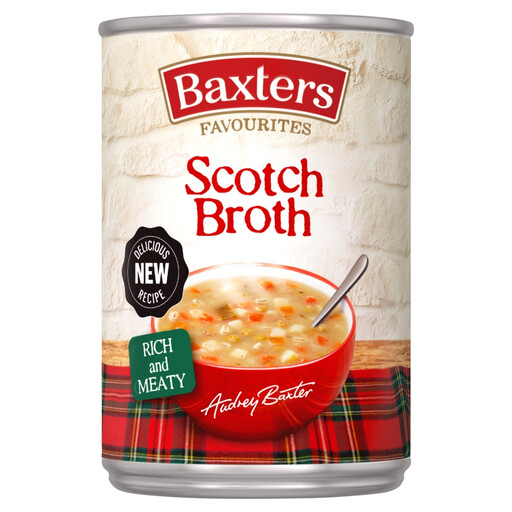 No image available
Consider this broth-style tin if that recipe appeals for dinner. Check the current label for barley, salt and the heating directions before planning your portion.
 No image available
This is a mushroom-soup option if you prefer that recipe to a chunky broth. Check the stated servings against the amount you intend to eat, and read the milk and wheat allergen information.
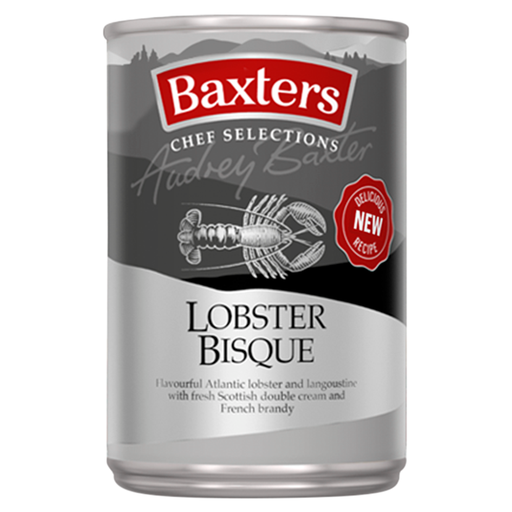 No image available
Choose this lobster-bisque recipe for its particular flavour rather than assuming its name establishes restaurant quality. Check the current allergen declaration, especially if crustaceans, milk, celery or sulphites matter to you.
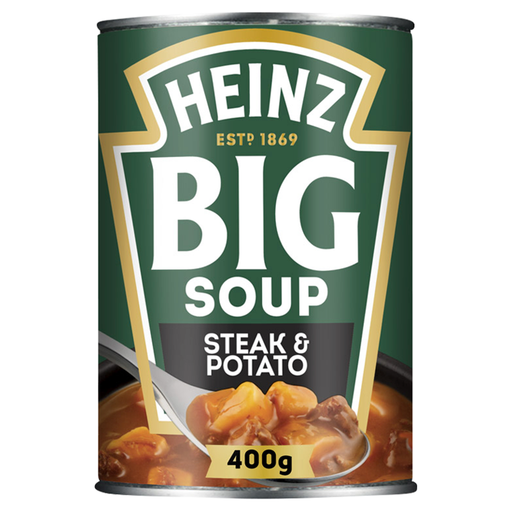 No image available
This ambient beef-and-potato tin suits a cupboard-standby plan. Joybuy’s listing states 0.6g salt per 100g; use the amount you will eat when reading that figure, and check the pack’s heating instructions.
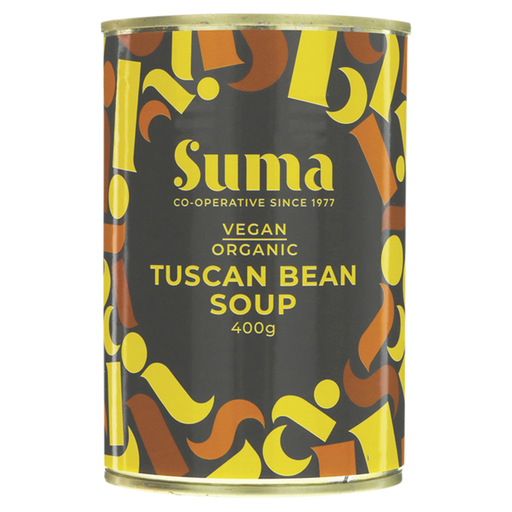 No image available
This bean-based tin offers another recipe to consider for a cupboard meal. Check the salt figure for your intended portion and read the celery allergen declaration.
No. A premium chilled pot may have ingredients you particularly want, but its label does not establish restaurant-quality flavour or how well the soup alone suits your dinner. Compare your intended portion, recipe, salt, allergens and storage needs with a tinned option.
You can choose that portion, but the researched Tesco, Sainsbury's, Asda and M&S pots state two servings. If you eat the whole pot, use the nutrition information for the whole amount rather than treating a per-serving figure as the total.
No. Asda Creamy Vegetable Soup is labelled suitable for vegetarians but contains milk, sulphites and barley. Tesco Tomato & Basil is labelled suitable for vegans; if you have an allergy or a strict dietary requirement, read the exact product’s current ingredient and allergen statements.
Follow the instructions on that product’s pack. The researched Heinz Big Soup can instructs you to transfer leftovers to a covered container, refrigerate them and consume them within two days. Chilled soups have their own after-opening and use-by instructions; check those before saving or reheating a portion.
Work out the salt in the amount you intend to eat, using the label’s per-100g or per-serving figure and its stated serving size. A half-pot figure and a full-can figure describe different portions, so compare them on the same basis rather than judging by the soup’s name.