
24/7 Customer Support

Free returns

Same-day & Next-day Delivery

Quality Guaranteed

Unlock Your Welcome Offers: FREE Delivery | Up to 80% OFF | Free 30-day JoyPlus trial
Download the APP
A bag can look appealing online yet prove awkward on a crowded train, too small for a laptop or uncomfortable after a short walk. For UK commuters, students, travellers and content creators, choosing stylish bags involves more than colour and logo placement.
Three common buying traps deserve attention:
The right choice balances capacity, protection, weight, access and appearance for the way you actually travel.
For everyday use, list the items you carry most often rather than relying only on a product title.
Pay attention to stated dimensions as well as litres. A 14-inch laptop may not fit comfortably in a bag with a similar external measurement once padding, seams and the opening are taken into account.
Material affects appearance, maintenance and resistance to daily wear. Polyurethane can provide a smooth, structured surface that is easy to wipe, while nylon is often chosen for lightweight, flexible designs.
Look for clearly stated features such as:
A laptop sleeve bag should be sized for the device and should not leave excessive movement inside. For cameras, a dedicated camera carrying case with fitted compartments is more appropriate than an unpadded tote.
Weight is particularly relevant for commuters and travellers who may carry a bag for several hours. Compare the empty weight before buying. For example, a compact sling weighing 98g will feel notably different from a structured work tote.
Also check:
For durable everyday bags, care instructions matter too. Wiping a surface with a damp cloth is usually simpler than maintaining delicate fabric, but harsh chemicals, direct heat and prolonged sunlight can affect colour and shape.
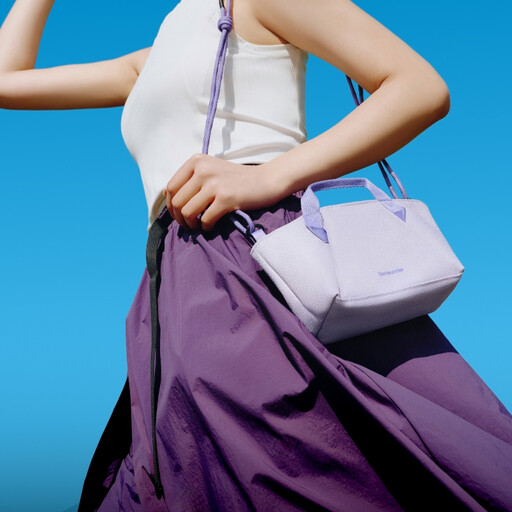
Why This Fits Their Persona: A compact option for students, festival visits, errands and commuters carrying only personal essentials around UK town centres.
The twin expansion system changes capacity from 1.2L to 3.6L, helping avoid the limitations of a fixed-size mini bag.
Approximately 98g, with inner compartments, a drawstring closure and fabric described as resistant to oil, stains and water.
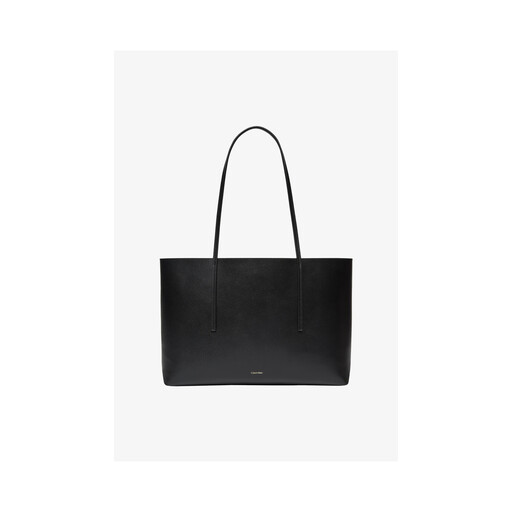
Why This Fits Their Persona: Its structured shape and understated two-tone styling suit office commutes, shopping and casual travel when presentation matters.
The 14.5 × 13 × 5-inch body gives a clearer indication of usable space than a vague large-capacity description, while the structured form helps retain its shape.
Made from 320gsm polyurethane with a smooth surface, open-top access and shoulder straps with a 9.5-inch drop.
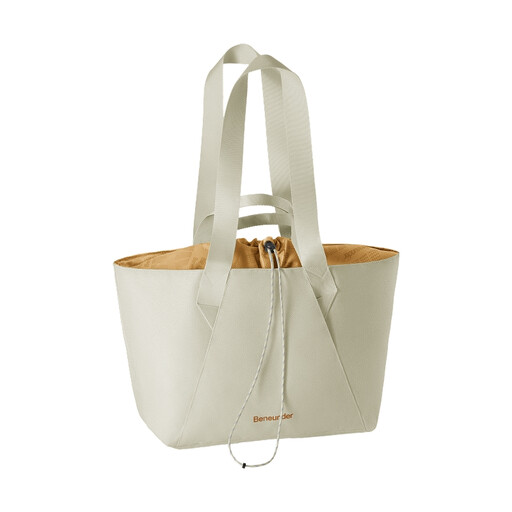
Why This Fits Their Persona: Designed for travellers, gym users and shoppers who need a compact bag that can accommodate changing loads.
Its stated regular and expanded capacities are 20L and 35L, making the storage change clear rather than relying on an unspecified expandable label.
Approximately 220g, foldable, with wide straps, an internal divider and fabric described as abrasion-, stain- and water-resistant.
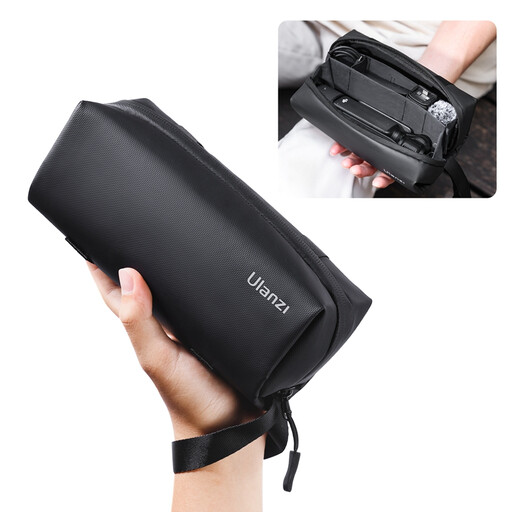
Why This Fits Their Persona: A dedicated carrying case is more suitable than a general tote for creators transporting a compact camera and its accessories.
The product is specified for DJI Osmo Pocket 3 storage, reducing the uncertainty of using an unstructured everyday bag for delicate equipment.
Portable storage format designed for the camera and Creator Combo accessories; check the listed compatibility before ordering.
We have compiled a complete, real-time list of products that fully satisfy these strict selection criteria and UK safety regulations.
They can be, provided the dimensions, closure and carrying method match your commute. An open-top tote allows quick access but offers less protection from rain and accidental spills. For cycling or busy public transport, a secure crossbody, zipped shoulder bag or dedicated laptop sleeve bag may be more practical.
Lifespan depends on load, frequency of use, friction and care. Avoid overfilling, sharp objects and prolonged exposure to sunlight. Follow the care label, wipe suitable surfaces with a soft damp cloth and allow them to air dry naturally. Claims such as “durable” should be assessed alongside material, strap construction and stitching details rather than treated as a guaranteed lifespan.
Start with essentials that need quick access: phone, passport, keys, wallet, charger and medication. Then consider a water bottle, compact umbrella and light layer. Use internal compartments to separate valuables from cosmetics or liquids, and choose a design whose capacity can accommodate your return journey without placing excessive strain on the straps.