Detail-drawing tablet users
People drawing lines and adding detailed annotations on an existing tablet. Their choice depends on which pen-input features the tablet and drawing application can use together.


Choose the pen around the device and drawing software you already use: an Apple Pencil, Samsung S Pen or Surface Slim Pen needs a compatible device, and the drawing features you need must work in your application. A connected pen display such as Wacom One 14 offers a larger desk-based drawing surface but needs a suitable computer connection. For sustained work at shared desks, consider the whole workstation as well as the pen.
People drawing lines and adding detailed annotations on an existing tablet. Their choice depends on which pen-input features the tablet and drawing application can use together.
People moving between desks and meeting spaces who need to carry, store and charge a pen alongside their tablet rather than leave a drawing setup at one workstation.
People spending longer periods reviewing or drawing details who may prefer a larger connected drawing surface. The Health and Safety Executive advises considering the whole workstation, including equipment, furniture and working conditions.
Start with the device and application your work requires, then decide whether carrying a tablet between desks or drawing on a larger connected screen matters more.
Choose when: Your drawing and markup work already runs on a compatible iPad.
Trade-off: Apple Pencil models differ in compatibility, controls and charging; they are not interchangeable across all iPads.
Choose when: Your work runs on a Galaxy Tab that supports the relevant S Pen; Samsung specifies pressure and tilt for its cited Tab S9 and Tab S10 series pen.
Trade-off: Match the pen to the tablet series and check whether any app-dependent controls you want will work in your workflow.
Choose when: You need pen input within a compatible Surface and Windows workflow.
Trade-off: Microsoft lists feature support by Surface model; charging also depends on a compatible device or accessory.
Choose when: A larger on-screen drawing area at a desk matters more than carrying a tablet-only setup.
Trade-off: Wacom One 14 is a connected display, not a standalone tablet; its connection, cables and desk space need planning.
| Concern | What to check | Who this matters to |
|---|---|---|
| Control for detailed lines | Check whether the exact pen, device and drawing application support the pressure, tilt or tool controls you intend to use. | When line work and annotations are the priority, I need the intended input to behave consistently in my drawing application. Around 31% of consumers put drawing control first. |
| Device compatibility | Record the exact tablet or Surface model and generation, then check the pen against the manufacturer's compatibility information. | If I already work on an iPad, Galaxy Tab or Surface, a pen I cannot use with that device will not solve my drawing task. Compatibility is the main concern for around 31% of consumers. |
| Readiness between desks | Check where the pen is stored and whether it charges on the device, through a cable or with another accessory. | Moving between a desk and a meeting space, I want the pen to be with my device and ready for markup. Around 23% of consumers prioritise that portability and readiness. |
| Extended desk work | Check drawing area, screen position, glare and desk space; for a connected display, confirm the computer connection. | For sustained drawing at a shared workstation, I need a setup that fits the desk and can be positioned for the task. Workstation suitability comes first for around 15% of consumers. |
Apple Pencil Pro works with selected iPads, while Microsoft lists different inking and pen features for different Surface models. A pen's drawing controls do not make it compatible with another device.
Note the exact device model and generation, then consult the manufacturer's pen compatibility information before ordering.
Wacom One 14 needs a computer connection. Wacom's single-cable setup requires a suitable USB-C connection with Thunderbolt 3 or later, or DisplayPort Alt Mode.
Check the work computer's port capability and the available desk space before choosing this route.
A separately sold converter kit may be needed for another connection arrangement; the stand is also sold separately.
Magnetic attachment does not always mean magnetic charging: Apple Pencil (USB-C) attaches for storage but pairs and charges using a USB-C cable, according to Apple.
Check the pen's full storage and charging arrangement, particularly if it will move between shared desks.
A different tablet or display can change screen position, reflections and the space available for drawing. The Health and Safety Executive advises assessing the whole workstation rather than equipment in isolation.
For workers using display screen equipment daily for continuous periods of an hour or more, discuss the shared-desk setup with the employer and address risks identified in the workstation assessment.
An iPad-focused pen range for people already using a compatible iPad.
S Pen options for supported Galaxy Tab models.
Surface pen input for a compatible Windows and Surface drawing workflow.
A connected pen-display option for drawing directly on a larger screen at a desk.
These Apple Pencil options are for drawing and markup with a compatible iPad. Check your exact iPad model and the pen features your application uses before choosing between their different charging arrangements.
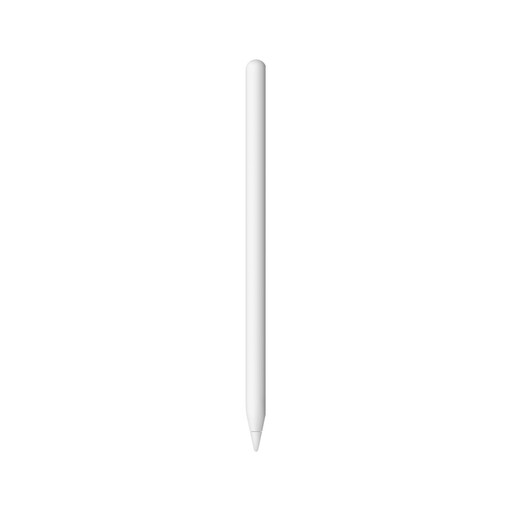 No image available
For drawing and marking up details on an iPad, check that your exact model and generation support this Pencil before choosing it.
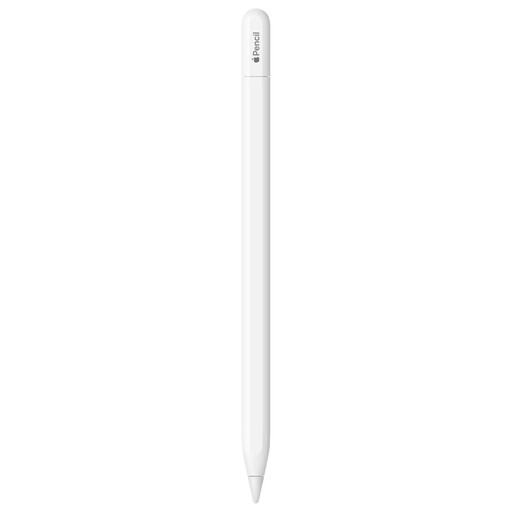 No image available
For sketching and document markup on a compatible iPad, check your exact model and generation against Apple's compatibility information. Apple says this Pencil attaches magnetically for storage but pairs and charges using a USB-C cable.
Check the exact model and generation first. Apple Pencil Pro is limited to selected iPads, and Microsoft lists Surface pen support by device model; the name of a pen family alone does not establish compatibility.
Pressure sensitivity alone does not establish how accurately a setup will handle your drawing task. Check whether the specific pen, device and application support the pressure or tilt behaviour you intend to use; Microsoft and Samsung describe these features for particular compatible pen setups.
Wacom One 14 needs a connected computer and a suitable port for its single-cable arrangement: USB-C with Thunderbolt 3 or later, or DisplayPort Alt Mode. Check the connection before ordering; a converter kit may be needed for another arrangement, and Wacom sells the stand separately.
The Health and Safety Executive says the UK display screen equipment rules apply to workers who use such equipment daily as part of normal work for continuous periods of an hour or more. For work within that scope, the employer should assess the whole workstation, including equipment, furniture and working conditions, and address identified risks.