People sketching on an existing tablet
If you already have an iPad or a Galaxy tablet that supports S Pen features, direct-on-screen sketching starts with finding a pen compatible with that exact model.


Start with the tablet or computer you already own: an Apple Pencil must match your exact iPad, while an S Pen needs supported Galaxy hardware. For cartoon expressions drawn mainly at a home-office desk, a computer-connected pen tablet or pen display offers another workflow, but check its ports, drawing app and space requirements before choosing it over a portable tablet.
If you already have an iPad or a Galaxy tablet that supports S Pen features, direct-on-screen sketching starts with finding a pen compatible with that exact model.
If changes in line weight and shading matter for eyes, mouths and brows, check the pen’s pressure and tilt features alongside the brushes available in your drawing app.
If you usually draw at a computer, a screenless pen tablet offers an active area and shortcuts, while a pen display lets you draw on its screen. Both call for a compatible host and room on the desk.
Choose when: You want to draw on an iPad you already own and have identified a Pencil compatible with its exact model.
Keep in mind: Apple Pencil Pro controls require a compatible iPad, and their behaviour in drawing tools also depends on the app.
Choose when: Your existing Galaxy device supports the S Pen features you intend to use for drawing.
Keep in mind: Samsung’s S Pen Creator Edition is not compatible with Z Fold Series devices; check the precise device before ordering.
Choose when: You mainly draw at your home-office desk and want either a screenless pen tablet or a display you can draw on directly.
Keep in mind: A screenless tablet means watching a separate monitor; a pen display needs a suitable video connection as well as desk space.
| Concern | What to check | Who this matters to |
|---|---|---|
| Device compatibility | Match the pen to the exact tablet model and generation; check any operating-system requirement. | If I already own a tablet, I need a pen that actually works with it before its drawing controls matter. Around 36% of consumers put exact compatibility first. |
| Expressive stroke control | Check pressure and tilt features, then whether your drawing app uses them with your chosen brushes. | When drawing changing outlines and facial shading, I want the strokes to respond as intended. For around 29% of consumers, expressive control is the primary concern. |
| Desk and connections | Check usable desk space and the host’s video-capable ports; confirm the required cables or converter. | If I draw at my computer for longer sessions, the device must fit my workspace and connect to my machine. Desk setup leads the decision for around 21% of consumers. |
| Workflow simplicity | Consider charging, setup steps and whether you would use additional controls or a separate drawing device. | For short expression sketches, I may prefer getting started without adding a desktop drawing setup. Around 14% of consumers prioritise that simpler workflow. |
Apple Pencil models have different iPad compatibility lists, and Samsung’s S Pen Creator Edition requires hardware that supports S Pen features. A pen’s drawing features do not make it interchangeable with another model.
Find your tablet’s exact model and generation in its device information, then consult the manufacturer’s compatibility list before ordering.
Wacom One 14 and Huion Kamvas 13 have specific host-port requirements for their USB-C connection options. A USB-C socket alone does not establish that it carries the video signal a display needs.
Check your computer’s port specifications against the display’s connection requirements before deciding how it will connect.
A converter kit, adapter or suitable cable may be needed for your setup.
Pressure and tilt affect your workflow only where the pen, host and selected drawing app support the relevant inputs. Drawing on a separate screen also feels different from drawing directly beneath the pen tip.
Decide which drawing arrangement you want, then check how your intended app handles the pen inputs and brushes you plan to use.
GOV.UK guidance says electrical products and batteries marked with the crossed-out wheelie bin should not be put in household rubbish when no longer wanted.
Use an appropriate electrical collection point or household waste recycling centre for an unwanted stylus or drawing device.
Apple Pencil models are an iPad-specific route for drawing directly on a compatible tablet.
The S Pen route is for Galaxy hardware that supports the relevant pen features.
Wacom One 14 represents a computer-connected display for drawing directly on a larger screen.
Kamvas 13 is a pen-display option for drawing on-screen at a connected desk setup.
Deco 01 V3 is a screenless pen-tablet option for drawing while viewing a separate display.
These choices cover Apple Pencil options for compatible iPads and a tablet supplied with a drawing stylus. Match an Apple Pencil to your exact iPad; if you are considering the tablet-and-pen option, check your intended drawing app’s pen support.
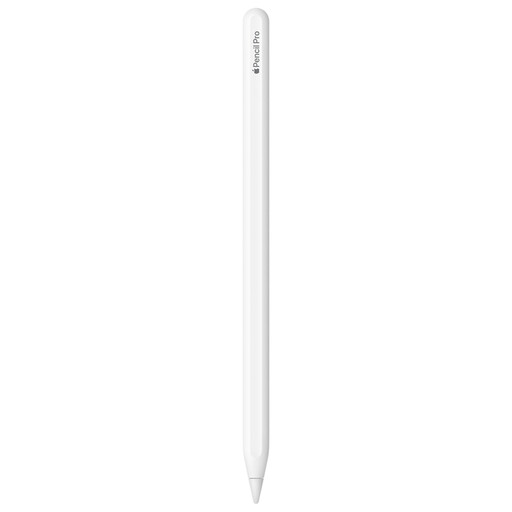 Image unavailable
For drawing on an iPad explicitly compatible with Apple Pencil Pro. The product information lists pressure sensitivity, tilt recognition and controls including squeeze and barrel roll; check your iPad model, required iPadOS version and drawing app before relying on those features.
 Image unavailable
For someone considering a tablet supplied with its own pen rather than a stylus for an existing iPad. The listing specifies a 12.7-inch 2K display, Android 15 and an included T-Pen with 4,096 pressure levels; check pressure support in your intended drawing app.
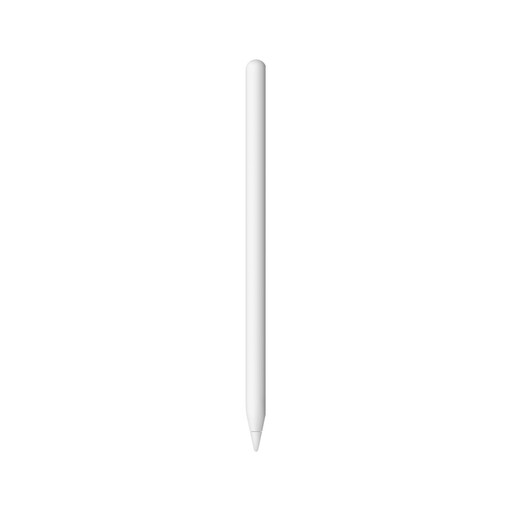 Image unavailable
For sketching on an iPad compatible with this Pencil generation. The product information describes magnetic pairing and charging and double-tap tool switching; confirm your exact iPad model and how your drawing app uses the controls you need.
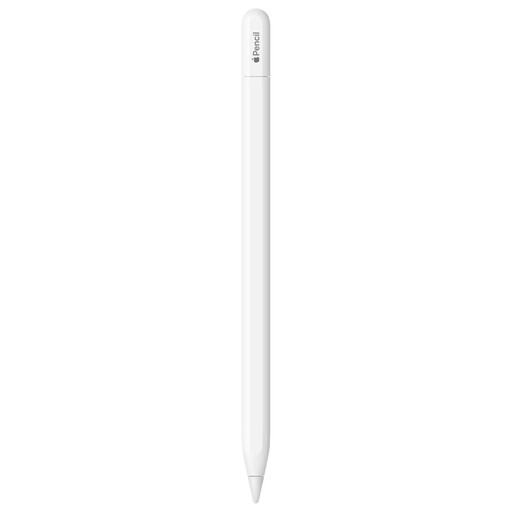 Image unavailable
For sketching on an iPad compatible with Apple Pencil (USB-C). The product information describes tilt sensitivity and USB-C pairing and charging; check Apple’s current list for your exact iPad model and whether this Pencil’s features meet your drawing app’s needs, especially if pressure-based line variation matters.
No: active stylus compatibility depends on the particular tablet and pen. Apple publishes separate iPad compatibility lists for its Pencil models, while Samsung specifies supported hardware for S Pen Creator Edition, so identify your exact device before ordering.
Not every sketch needs it, but pressure response can matter if you want brush strokes and line weight to change with your input. Samsung lists 4,096 pressure levels for Galaxy Tab S Pen drawing, and XP-Pen lists pressure support for Deco 01 V3; in either setup, check that your drawing app uses the input with your chosen brush.
Check your computer’s display-output ports, available desk space and the connection accessories your setup requires. Wacom specifies Thunderbolt 3 or later or DisplayPort Alt Mode for its Wacom One single-cable arrangement; Huion specifies USB 3.1 Gen1 and DisplayPort 1.2 or above for Kamvas 13 USB-C-to-USB-C use.
Use an appropriate electrical collection point or household waste recycling centre rather than putting marked electrical equipment in household rubbish. GOV.UK guidance says products and batteries carrying the crossed-out-wheelie-bin symbol should not go in household rubbish when no longer wanted.