Tablet owners replacing a pen
If you already use an iPad, Galaxy Tab, Surface, Lenovo tablet or USI-capable Chromebook, start with the exact device model. A familiar pen brand or connector does not establish compatibility.


Choose a stylus that your exact tablet or computer supports before comparing drawing controls. For labels, arrows and annotations, consider the inking features and charging arrangement you will use; if your work happens mainly on a computer without pen input, a compatible pen tablet or pen display is another route.
If you already use an iPad, Galaxy Tab, Surface, Lenovo tablet or USI-capable Chromebook, start with the exact device model. A familiar pen brand or connector does not establish compatibility.
If you draw shapes, label worked examples or mark documents during lessons, check that the pen works in your chosen app and that its inking and storage arrangements suit your desk setup.
If most diagrams begin on a PC, Mac or Chromebook rather than a pen-enabled tablet, consider a compatible pen tablet or pen display as a separate input device.
Identify the device you will draw on, then check the pen family it accepts. If you mainly use computer software, compare a separate pen-input device with drawing directly on a compatible tablet.
| Concern | What to check | Who this matters to |
|---|---|---|
| Device compatibility | Match the full device model to the manufacturer’s pen compatibility list, including any required pen standard. | I already own a tablet or Chromebook and need the pen to ink on that device, not just touch its screen. Around 36% of consumers put exact compatibility first. |
| Diagram control | Check the supported inking and palm-rejection features; consider pressure or tilt if your diagrams involve freehand line variation. | When I write small labels or correct a sketch, I want strokes I can control without my resting hand interrupting them. For around 29% of consumers, drawing control is the primary concern. |
| Computer workflow | For a pen tablet or display, confirm computer, app and connection compatibility, and whether you want to draw on a screen. | My lessons and diagrams live in computer software, so I need pen input that fits that setup. This is the main priority for around 21% of consumers. |
| Keeping the pen ready | Confirm how the pen charges and is stored, and whether its charging accessories and replacement tips suit your setup. | During a lesson, I do not want to stop because the pen is uncharged or misplaced. Around 14% of consumers chiefly prioritise charging and day-to-day upkeep. |
A USB-C connector, Bluetooth connection or familiar brand name does not show that a device supports that pen’s active inking features.
Find the full model name in your device settings or on its label, then check the manufacturer’s compatibility guidance before ordering.
Squeeze controls, barrel roll and variable pressure serve different tasks from placing labels, arrows and simple shapes on a diagram.
Start with compatible inking and the features your diagram app supports; consider additional controls if your work calls for them.
Apple Pencil (USB-C) charges by cable, while other pens may charge through a compatible device or accessory. A place to attach the pen does not establish its charging method.
Check how the exact pen charges and what you need to keep it ready at your desk.
GOV.UK advises that unwanted batteries and electrical products should not go into household rubbish.
Use an appropriate battery or electrical-product collection route and follow local instructions for any removable battery.
Apple Pencil is an active-pen route for compatible iPads; Apple Pencil (USB-C) and Apple Pencil Pro have different features and device lists.
Samsung’s cited replacement S Pen is for Galaxy Tab S9 FE, S9 FE+, S10 FE and S10 FE+ models.
Surface Slim Pen is a route for Surface models that support pen inking.
Lenovo Tab Pen Plus is a tablet-pen option when Lenovo’s compatibility guidance confirms the host device.
Wacom pen tablets and pen displays provide a separate drawing surface for computer-based work.
These two pens are options for drawing and marking up diagrams on compatible iPads. Check your exact iPad model against the compatibility list for the Pencil version you choose.
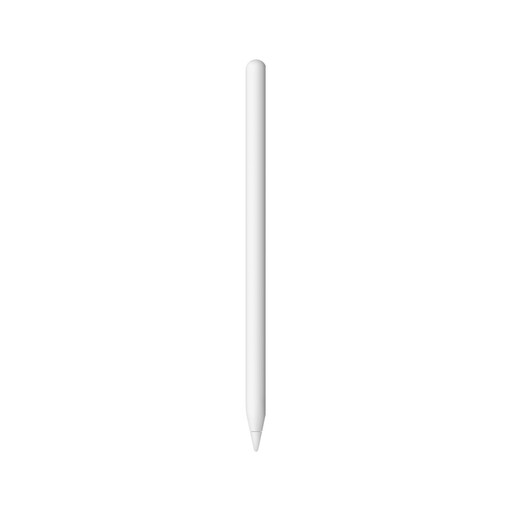 Image unavailable
Consider this pen for drawing or marking up diagrams if your exact iPad model supports Apple Pencil (2nd Generation).
Check the model-specific feature list before relying on particular inking or charging functions.
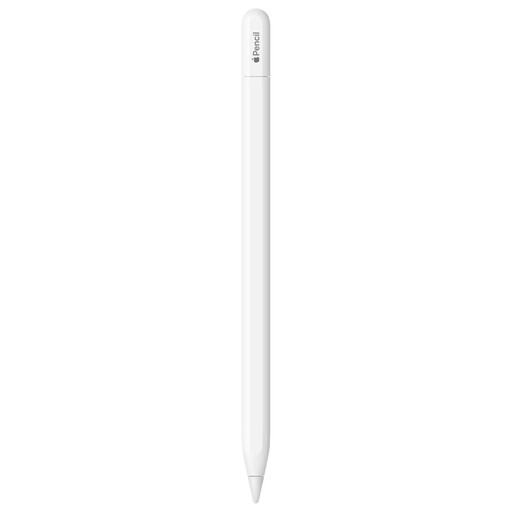 Image unavailable
Consider this pen for sketching and document annotation if Apple lists your exact iPad model as compatible.
Apple states that this model supports tilt sensitivity, attaches magnetically for storage, and pairs and charges using a USB-C Charge Cable. Check whether you need to provide the cable separately.
No. Active-pen compatibility depends on the device model and pen family. Apple, Samsung and Microsoft provide model-specific guidance, while Google lists compatible USI Chromebooks; check your full device model before buying.
Not necessarily. Pressure sensitivity is worth considering if you vary line weight or shade freehand sketches; for labels and annotations, confirm device compatibility and the inking features supported by your pen and app first.
Not always. Apple Pencil (USB-C) attaches magnetically but pairs and charges through a USB-C Charge Cable, according to Apple. Check the charging method for the exact pen and device combination you plan to use.
Consider one if you make diagrams mainly in computer software and want a separate pen-input surface rather than a stylus for an existing tablet. Check the chosen Wacom model’s operating-system, app and connection requirements; with a screenless pen tablet, you draw on the tablet while looking at the computer display.
Use an appropriate battery or electrical-product recycling collection route rather than household rubbish. GOV.UK advises keeping unwanted batteries and electrical products out of household waste; follow your local collection instructions for the pen and any removable battery.