iPad portrait painters
If you already own an iPad, identify its exact model before comparing Apple Pencil generations. Once compatibility is clear, consider which pressure, tilt, charging and control features your brushes can use.


Start with a pen that is explicitly compatible with the iPad, Galaxy Tab, Surface or computer-connected drawing tablet you use: these stylus systems are not interchangeable. For portraits, check pressure and tilt support if you want brushes to vary line weight or shading, then confirm that your painting app supports the controls you plan to use. Charging and storage can also affect how comfortably the pen fits your setup.
If you already own an iPad, identify its exact model before comparing Apple Pencil generations. Once compatibility is clear, consider which pressure, tilt, charging and control features your brushes can use.
A replacement S Pen must match the relevant Galaxy Tab series, while Surface pen and inking support varies by device. Check the pen features and charging arrangement for your particular tablet.
If you paint on a PC or Mac, a computer-connected pen tablet offers a different setup from drawing directly on a portable tablet screen. Working area, software support and driver setup become part of the decision.
Identify your drawing device first. Then decide whether brush control, a computer-based workspace or convenient charging is the main reason for choosing one compatible pen over another.
| Concern | What to check | Who this matters to |
|---|---|---|
| Device compatibility | Match the complete tablet model and generation to the pen maker's compatibility information. For a replacement S Pen, check the named Galaxy Tab series. | If I already own a tablet, I need to know the pen will support drawing on that exact model before comparing its controls. Around 36% of consumers put compatibility first. |
| Pressure and tilt | Check both features on the exact pen and device, then check whether your painting app and chosen brushes use them. | When I vary line weight or shade with an angled brush, I want the stroke to respond to my hand rather than rely only on on-screen adjustments. For around 29% of consumers, expressive brush control is the primary need. |
| Drawing setup | Choose between drawing on a compatible tablet display and using a pen tablet with a computer; for the latter, check software, driver and working-area requirements. | If my portraits are made at a desk, I may prefer a computer-connected drawing surface to a portable tablet workflow. Around 21% of consumers prioritise that desktop setup. |
| Charging and controls | Confirm how the pen charges and stores, whether a compatible charging accessory is needed, and which shortcuts your art app supports. | I want to keep the pen ready for mobile painting without carrying an unexpected charging accessory or depending on controls my app cannot use. Convenient charging and controls come first for around 14% of consumers. |
Similar-looking pens can have different compatibility requirements. Apple lists Pencil support by iPad model, Samsung names the Galaxy Tab series for replacement S Pens, and Microsoft identifies Surface devices that do not support inking.
Find your tablet's complete model name and generation, then compare them with the manufacturer's pen compatibility information before ordering.
Pressure and tilt support differ between pen models and devices. A brush must also support the relevant input for it to affect a portrait stroke.
Check the exact pen's features and your painting app's brush settings, particularly if variable line weight is central to your work.
USB-C cable charging, magnetic tablet charging and charging through a compatible accessory require different arrangements.
Check what works with the tablet and accessories you own, and whether you will need to carry a cable.
Some Surface Slim Pen setups require a separate compatible charging accessory.
A pressure-level specification does not establish how a brush will feel in your software. Adobe's tablet guidance also points to pen-input and application settings as factors in getting pressure input to work.
Use the specification to check capability, then adjust the pressure curve or brush settings where your device and software allow it.
Apple Pencil models serve compatible iPads; Apple's model-by-model compatibility information determines which generation to consider.
Samsung's S Pen route is tied to compatible Galaxy Tab families.
Surface Slim Pen is a rechargeable pen route for Surface devices that support pen input.
Wacom's pen tablets suit artists working with a compatible computer rather than seeking a replacement pen for an iPad, Galaxy Tab or Surface.
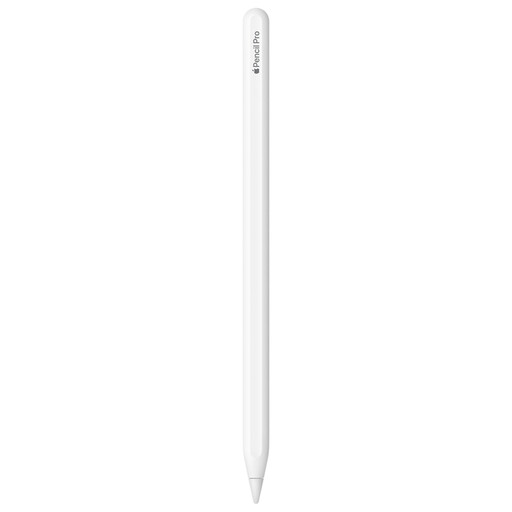
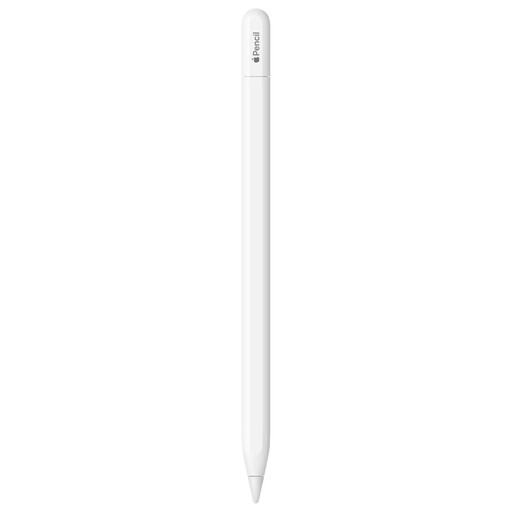
These Apple Pencil options are for painting on a compatible iPad. Compare their brush inputs and charging methods after confirming your exact iPad model; a pen's presence here does not establish compatibility with every iPad.
 No image available
Consider this pen for portraits on a compatible iPad if your painting app uses pressure and tilt for brush control.
Apple specifies squeeze, barrel roll and haptic feedback, along with magnetic pairing and charging, for Apple Pencil Pro. Check your exact iPad model against Apple's compatibility information and confirm which controls your art app supports.
 No image available
Consider this model for sketching or painting on a compatible iPad when tilt input and USB-C charging suit your routine.
Apple describes precision, low latency and tilt sensitivity for this model. If your portrait brushes depend on pressure input, compare its feature set with those brush requirements before choosing it.
No: check support for your exact tablet and pen model before buying. Apple lists Apple Pencil compatibility by iPad model, Microsoft identifies Surface devices that support inking, and Samsung specifies Galaxy Tab series for replacement S Pens.
Pressure matters if you want compatible brushes to vary a stroke with the force you apply; tilt is worth checking for brushes that respond to pen angle. The pen, device and painting app must support the input you intend to use.
Check your graphics tablet's driver and Photoshop's tablet and brush settings. Adobe notes that Windows Ink and WinTab are different pen-input technologies; after changing a relevant input setting, restart the application and check the brush response again.
Match the charging method to your exact pen, tablet and accessories. Apple Pencil Pro charges magnetically on compatible iPads, Apple Pencil (USB-C) uses USB-C charging, and Surface Slim Pen needs a compatible charging device or accessory.