What matters when sockets are limited
Stylus for your existing tablet
Choose when: You own an iPad or Surface that supports the precise pen model you want.
Trade-off: Compatibility is model-specific, and charging methods differ between pens.
Battery-free pen tablet
Choose when: Avoiding pen charging matters more than drawing directly on a screen.
Trade-off: You still need a compatible computer, illustration software and power for the computer.
Pen display
Choose when: Seeing your marks beneath the pen is important for composing and colouring story pages.
Trade-off: A single-cable setup depends on the host port; some connections need an adapter or extra power.
Once you have chosen a route, make the checks that correspond to your main concern:
| Concern |
What to check |
Who this matters to |
| Tablet compatibility |
Match the exact tablet model and generation, required operating system and pen variant against the manufacturer’s compatibility information. |
I want to keep drawing on my current tablet rather than add another device, so the pen must work with it. Around 34% of consumers put that exact match first. |
| Charging and power |
Check whether the pen needs charging, how it charges and whether a display can draw power from your host device. |
With few sockets available, I want to avoid another charging task without overlooking the computer or display’s power needs. Roughly 33% of consumers make power management their primary concern. |
| Drawing on screen |
Decide whether you need a pen display, then check its pen inputs and the host’s required video-capable connection. |
For character outlines and colouring, I prefer to see each mark where my pen touches the screen. Around 20% of consumers prioritise that direct drawing experience. |
| Workspace flexibility |
Check the equipment’s size, cable arrangement and whether a stand, converter or extra power lead is needed. |
I need to clear the desk between story-illustration sessions, so equipment that is straightforward to put away matters most. Approximately 13% of consumers put workspace flexibility first. |
Joybuy styluses for compatible iPads
These Apple Pencil models are choices for illustrating on an iPad you already own. Confirm your exact iPad and required iPadOS version before selecting a variant; this product selection does not cover the computer-connected pen tablet or pen display routes.
 No image available
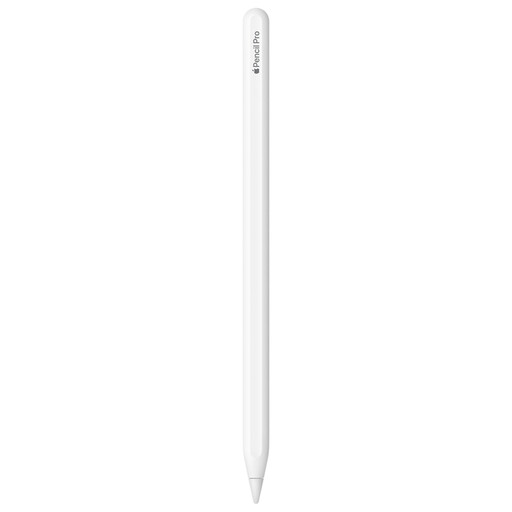
Apple Pencil Pro (2024 New) for iPad Air and iPad Pro
Consider this for drawing on an iPad confirmed to support Apple Pencil Pro. It attaches, pairs and charges magnetically on compatible iPads and offers squeeze and barrel-roll controls. Check your exact iPad model and required iPadOS version before buying, particularly if you use an iPad Air M4.
Joybuy
 No image available
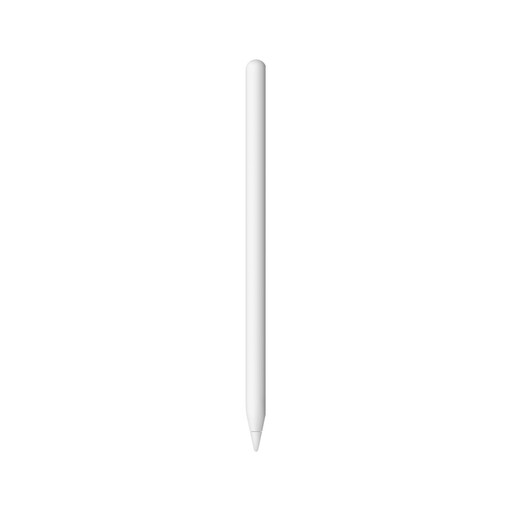
Apple Pencil (2nd Generation)
This is another route for sketching and colouring on a compatible iPad. The product listing describes magnetic pairing, charging and storage, plus a double-tap tool switch. Confirm support for your exact iPad and check that the pen features you need work with your illustration app.
Joybuy
 No image available
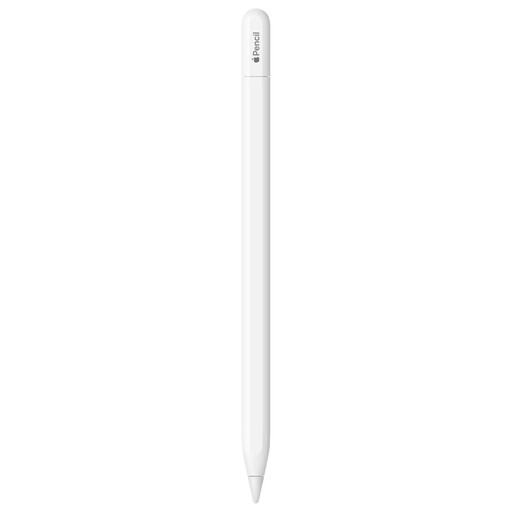
Apple Pencil (USB-C)
Consider this for sketching on an iPad confirmed to support the USB-C variant. It attaches magnetically for storage, but pairing and charging require a USB-C cable. Check your exact iPad and required iPadOS version; if pressure-sensitive brush control matters for your artwork, confirm that this variant meets that need before buying.
Joybuy
Frequently asked questions
Can I use any stylus with my iPad to illustrate a story?
No: choose an Apple Pencil variant only after checking your exact iPad against Apple’s compatibility information. Supported iPads differ between Pencil models, and some first-generation Pencil pairing and charging combinations require an adapter.
Does a battery-free pen mean I need no plug socket?
No: only the pen avoids charging. A battery-free Wacom or Huion pen still relies on a host computer or drawing display, so account for those devices’ power needs when planning your workspace.
Will a USB-C pen display work with just one cable?
Only if your host supports the connection required by that display. Wacom specifies Thunderbolt 3 or later or DisplayPort Alt Mode for the cited Wacom One single-cable setup; the cited Huion Kamvas 13 route has its own USB-C requirements, and Android use needs extra power.
How should I dispose of an old stylus or drawing tablet in the UK?
Use an appropriate electrical-waste or battery collection route rather than household rubbish. UK government guidance says electrical products and batteries should display the crossed-out-wheelie-bin recycling symbol.


