Comic artists avoiding pen charging
If charging another accessory interrupts your drawing, investigate a battery-free pen with compatible Wacom One or Huion hardware. You will still need to account for the rest of the setup.


Choose a stylus that works with your existing device before weighing charging against comic-drawing controls. A compatible battery-free Wacom One or Huion pen removes pen charging, but its tablet or display still needs a suitable connection and may need power. If you draw on an iPad or Galaxy Tab, check the exact Pencil or S Pen pairing, its charging arrangement and the controls your drawing app uses.
If charging another accessory interrupts your drawing, investigate a battery-free pen with compatible Wacom One or Huion hardware. You will still need to account for the rest of the setup.
If you already draw on an iPad, start with its exact model. Then compare compatible Apple Pencils by charging method and the line-control or shortcut features your drawing app uses.
If you use a compatible Galaxy Tab, an appropriate S Pen keeps drawing on the tablet screen. Check the pen variant and tablet pairing before relying on particular drawing or remote features.
Identify your drawing device first. The charging method, inking controls and connections only matter once you know which pens work with it.
Consider it: You draw with a computer or other confirmed compatible host and do not want to charge the pen.
Trade-off: Wacom One and selected Huion Inspiroy pens depend on their respective hardware; the connected tablet or display can still need a powered host.
Consider it: You have a supported iPad and want to draw directly on its screen.
Trade-off: Apple Pencil (USB-C) charges by cable, while Pencil charging methods and drawing controls differ by model.
Consider it: You have a Galaxy Tab that supports the S Pen variant you intend to use.
Trade-off: S Pen capabilities and charging arrangements vary by tablet and pen generation, particularly for remote features.
| Concern | What to check | Who this matters to |
|---|---|---|
| Pen charging | Confirm whether the pen itself is battery-free, then account for power needed by its tablet, display or host. | When sockets are scarce, I would rather keep drawing than stop to charge a pen. Around 29% of consumers put avoiding pen charging first. |
| Device compatibility | Match the exact tablet model and generation, or pen-tablet family, against the pen maker's compatibility information. | If I already own the drawing device, a pen that cannot work with it is no use to me. Compatibility comes first for around 29% of consumers. |
| Inking controls | Check pressure, any tilt support you need and whether the app uses the pen's buttons or gestures. | For panel inking, I need the line variation and tool changes my own brushes call for. Around 24% of consumers prioritise those controls. |
| Workspace and connections | List the required host, cables and drawing surface; check the active area against your available desk space. | At a small desk or while drawing away from home, I want a setup I can arrange without juggling connections. Keeping the setup manageable is the main concern for around 18% of consumers. |
Apple Pencil compatibility depends on the iPad model, while Wacom says its Wacom One Standard Pen is designed for new Wacom One pen tablets and displays.
Note your exact device model before shopping and check the manufacturer's model-specific compatibility information.
The pen may need no charging even though its drawing tablet or display still depends on a host connection or power.
Trace the full setup, including the host device, available USB ports, cables and any display connection.
That can mean carrying extra cables or keeping the host device powered during a drawing session.
A pressure specification does not establish that the pen works with your device or that your drawing app supports the controls you need.
Check compatibility first, then pressure, tilt and shortcut behaviour for your particular brush and inking workflow.
GOV.UK advises that electrical products and batteries should not go into household rubbish; damaged lithium-ion batteries can pose a fire risk.
Use an appropriate electrical-product or battery collection point, following the device's battery-removal instructions where applicable.
A reference point for computer-connected or compatible-Android pen tablets and displays when avoiding pen charging matters.
Relevant if you already have an iPad that supports the particular Pencil you are considering.
Relevant to owners of Galaxy Tab models that support an S Pen for drawing on the screen.
Relevant to shoppers considering a connected pen tablet with a battery-free pen.
These Joybuy options are for drawing on compatible iPads. Apple Pencil (2nd Generation) charges magnetically on the iPad, while Apple Pencil (USB-C) needs a cable; check your exact iPad and the inking controls you use before choosing.
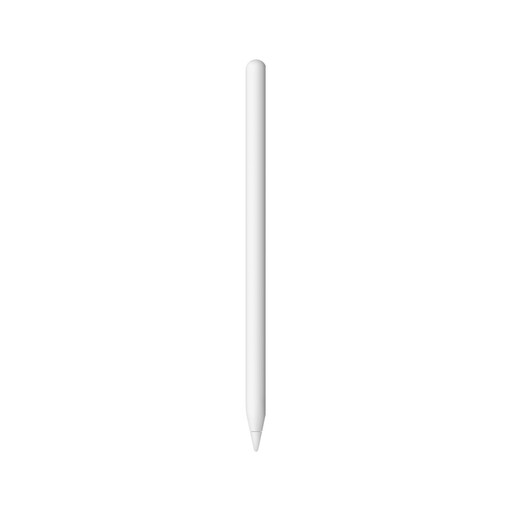 No image available
Consider this for drawing on a compatible iPad if avoiding a separate pen-charging cable matters. It pairs and charges magnetically on the iPad, so it still draws on the iPad's power.
Check that your exact iPad model is supported and whether your drawing app uses the Pencil's double-tap control and the line-control features you need.
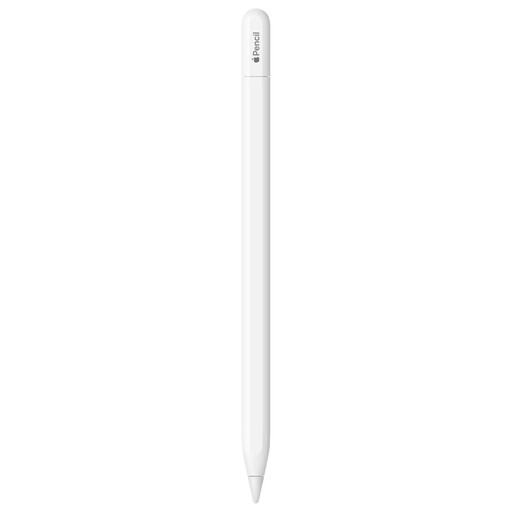 No image available
Consider this for drawing on a compatible iPad if your brush workflow uses tilt and you can accommodate cable charging. Apple says this Pencil pairs and charges through a USB-C cable; magnetic attachment is for storage.
Match your exact iPad model to Apple's compatibility information, and check the pressure and shortcut controls your inking app requires.
No: battery-free describes the pen, not necessarily the full drawing setup. A compatible pen tablet or display can still need a connected computer, a USB connection or power, so check every device you plan to use together.
No: active styluses need a compatible device. Apple lists supported iPads for each Pencil, and Wacom specifies new Wacom One pen tablets and displays for its Wacom One Standard Pen; check your exact model before buying.
Check the controls your drawing app and brushes actually use, particularly pressure for line variation, tilt where needed and shortcuts for changing tools. Samsung describes 4,096 pressure levels for the Tab S Pen, while Apple Pencil Pro offers pressure sensitivity and gesture controls on supported iPads; neither specification replaces a compatibility check.
Take it to an appropriate electrical-product collection point rather than putting it in household rubbish. GOV.UK advises separate recycling for electrical products and batteries; follow the device's instructions if its battery can be removed.