Sketchers who already own a tablet
If you use an iPad, Galaxy Tab, Surface or Lenovo tablet for quick jewellery concepts and annotations, identify its exact model before choosing a pen. Compatibility determines which stylus and features you can use.


Start with the exact tablet or computer you own: Apple, Lenovo and Microsoft list device-specific pen compatibility, so compare drawing features only among pens that work with your model. For fine jewellery concepts, consider pressure and tilt alongside your drawing app, palm rejection and how the pen charges or is stored. A computer-connected pen display is worth considering if you mainly draw at one desk and want a larger drawing surface rather than a portable tablet.
If you use an iPad, Galaxy Tab, Surface or Lenovo tablet for quick jewellery concepts and annotations, identify its exact model before choosing a pen. Compatibility determines which stylus and features you can use.
For narrow outlines, setting ideas and shaded forms, look at the pen’s pressure, tilt and palm-rejection support together with the drawing app you intend to use. A feature on the pen alone does not establish how a particular app will respond.
If portability matters less than drawing directly on a larger screen, a computer-connected pen display may suit your home office. Check the host device, connections and available desk space before choosing that route.
Confirm device compatibility first, then decide which drawing controls your app uses and whether your workspace calls for a portable tablet or a connected display.
| Concern | What to check | Who this matters to |
|---|---|---|
| Device compatibility | Match the exact tablet model and pen generation against the manufacturer’s compatibility list; check how that combination pairs and charges. | I want to keep using my current tablet, so the pen must work with that specific model. Around 36% of consumers put device compatibility first. |
| Fine-line control | Check pressure, tilt and palm-rejection support for the exact pen and whether your drawing app uses the inputs you need. | For small setting details and varied outlines, I need drawing controls that respond in my chosen app; around 29% of consumers prioritise fine-line control. |
| Desk workflow | Decide between a self-contained tablet and a connected pen display; check the latter’s host-device connections and the space it needs. | I mainly sketch at my home-office desk and want a drawing surface that fits the way I work. Desk workflow comes first for around 21% of consumers. |
| Included accessories and replacement | Confirm what comes with the specific product and whether its charging equipment, storage accessory or replacement pen is available separately. | I want to maintain a workable setup without overlooking an accessory or replacing a tablet unnecessarily; around 14% of consumers make replacement practicality their primary concern. |
Devices from the same brand can differ in pen compatibility and supported features. Apple, Lenovo and Microsoft provide model-specific information for their stylus routes.
Note your exact device model and compare it with the manufacturer’s pen compatibility and charging guidance before ordering.
Pressure and tilt are useful for line variation or shading only where the pen, device and drawing app support the behaviour you want. A pressure figure cannot establish the feel or result of a different setup.
Check your app’s brush controls and the supported pen features, then consider whether palm rejection and the drawing surface suit your sessions.
Apple Pencil (USB-C) charges by cable, Surface Slim Pen charging varies with compatible hardware and accessories, and Wacom One Gen. 1 needs a connected host device.
Check the included items, charging arrangement and connections for the setup you intend to use.
A connected pen display also takes up desk space; some Surface setups may need a separate charging accessory.
Samsung qualifies the cited S Pen’s IP68 rating by its laboratory conditions and notes that resistance is not permanent.
Follow Samsung’s handling instructions, including drying excess water before using or attaching the pen.
These brands represent different device and desk-setup routes, not interchangeable pens. Choose a compatible product line before comparing its controls.
Apple Pencil is an iPad route, with compatibility determined by the iPad model and Pencil generation.
S Pen is a route for compatible Galaxy Tab models, including series-specific replacement pens.
Tab Pen Plus is a stylus route for compatible Lenovo tablets.
Surface Slim Pen is a route for compatible Surface devices used for drawing and handwritten annotations alongside Windows files.
Wacom One Gen. 1 is a connected pen display for a more fixed drawing station.
These choices cover two self-contained TECLAST sketching tablets supplied with a stylus and two Apple Pencil models for compatible iPads. Check the exact device and drawing-app requirements before choosing a separate pen.
 No image available
A self-contained tablet-and-pen option for sketching jewellery ideas at a desk or elsewhere.
The product name specifies a 12.7-inch 2K display, an included T-Pen and 4,096 pressure levels.
Check how your intended drawing app responds to the pen, including any tilt or palm-rejection behaviour you need, and confirm how the pen charges.
 No image available
This self-contained tablet bundle may suit a desk where you want the stylus, case and keyboard together.
Its product name specifies a 12.7-inch 2K display, Android 15 and 256GB storage.
Check drawing-app compatibility and the pen’s tilt, palm-rejection and charging behaviour against the way you plan to sketch.
 No image available
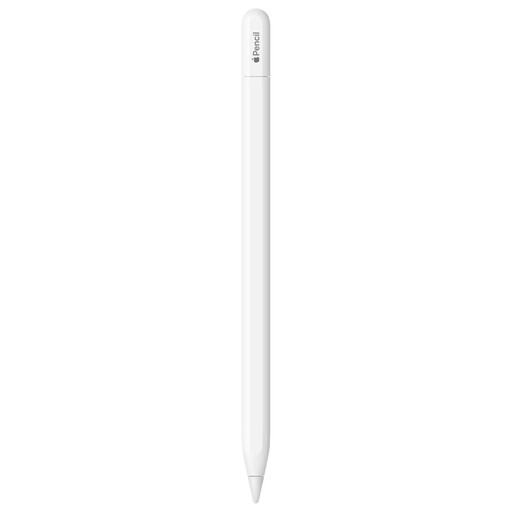
Consider this pen for sketching on an iPad that Apple lists as compatible with Apple Pencil (USB-C).
Apple describes tilt sensitivity and low latency for this model. It attaches magnetically for storage but pairs and charges using a USB-C cable.
Confirm your exact iPad model and iPadOS requirements with Apple, and check whether its drawing controls meet your needs in your chosen app.
 No image available
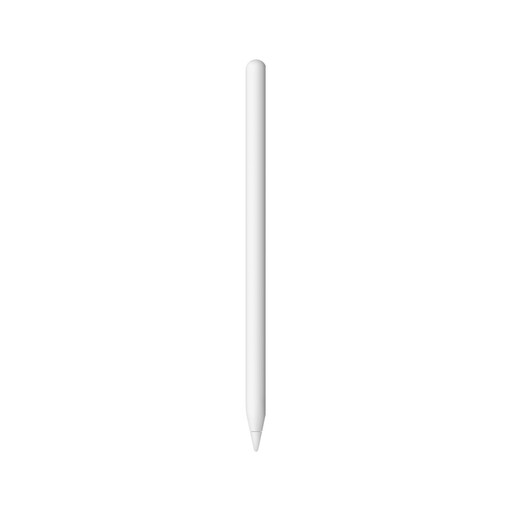
This is an iPad sketching option only if your exact iPad model supports Apple Pencil (2nd Generation).
The product information describes magnetic pairing, charging and storage, plus double-tap tool switching.
Check iPad compatibility and whether your drawing app supports the pen controls you want for detailed linework.
No: active-stylus compatibility depends on the exact device and pen model. Apple lists compatible iPads for each Pencil, Lenovo directs Tab Pen Plus purchasers to check system compatibility, and Microsoft publishes Surface pen features by device model.
You can draw rough outlines without making pressure response your deciding feature, but it matters if you want pressure-controlled line weight in an app that supports it. Check compatibility first, then look at pressure, tilt and how your intended brushes respond.
Check the arrangement for the exact pen and device you choose. Apple Pencil (USB-C) pairs and charges by cable; the cited Samsung S Pen uses magnetic tablet storage and charging, while Surface Slim Pen charging depends on compatible hardware or accessories.
A self-contained tablet suits sketching that moves between rooms; a connected pen display suits a more fixed desk setup if you want to draw directly on a larger screen. Wacom One Gen. 1 has a 13.3-inch display, but requires a compatible host device and room for its connections.
Check the disposal guidance for the specific stylus and your local collection options. GOV.UK notes that equipment need not connect to mains power to fall within the electrical-and-electronic-equipment framework; the appropriate collection route depends on the product and local service.