Students sketching on an iPad
If you already own an iPad, check its exact model before choosing between compatible Apple Pencil options or a Logitech Crayon. Drawing controls differ between pens, so match them to the marks you want to make.


Start with the tablet or computer you already own: a pen must work with that exact device before its drawing controls matter. For sketches you can make without setting up a desk, compare compatible iPad or Galaxy Tab pens by their supported controls and charging arrangements. Choose a Wacom pen tablet or pen display instead if you have a compatible computer and want a dedicated desk workspace.
If you already own an iPad, check its exact model before choosing between compatible Apple Pencil options or a Logitech Crayon. Drawing controls differ between pens, so match them to the marks you want to make.
A compatible Samsung S Pen can serve both tasks, but replacement pens are made for specified Tab S9/S10 or FE-series families. Match the pen to your tablet family rather than relying on the Galaxy Tab name alone.
If you have a compatible computer and room for a dedicated drawing setup, consider a Wacom pen tablet or pen display. These are computer-based alternatives, not styluses for an existing iPad or Galaxy Tab.
For product-concept sketches in a student room, establish device compatibility first; then decide which drawing controls and workspace arrangement suit the way you sketch.
| Concern | What to check | Who this matters to |
|---|---|---|
| Device compatibility | Match the full tablet model and generation, or computer operating system, to the maker’s supported-device information. | I want the pen to work with the device I already have, rather than choosing drawing features I cannot use; around 36% of consumers put compatibility first. |
| Drawing controls | Check the exact pen’s pressure, tilt and shortcut controls, and whether your sketching app uses them. | When I vary line weight to show a concept’s form, the marks I can make matter most; around 29% of consumers prioritise drawing control. |
| Portable use | Check how the pen stores and charges with your specific tablet; magnetic attachment does not necessarily mean magnetic charging. | I need to put the tablet away between study tasks without losing track of the pen; roughly 21% of consumers make compact, ready-to-use storage their main concern. |
| Desk workspace | Confirm computer and connection requirements, then decide between a separate input tablet and a pen-on-screen display. | For longer drawing sessions, I would rather set up a dedicated work area than sketch on a portable tablet; around 14% of consumers put that workspace first. |
Apple, Samsung and Logitech specify supported devices or model families. A pen intended for a different tablet may not provide the input or other functions you expect.
Find your tablet’s full model and generation, then check the pen maker’s compatibility information before ordering.
Apple lists tilt sensitivity for Apple Pencil (USB-C), while its comparison information distinguishes that model from pressure-sensitive Pencil options. Apple Pencil Pro also has controls that require a supported iPad.
If pressure-driven marks or tool-switching gestures matter to your sketches, confirm the features of the exact Pencil, iPad and app combination.
Wacom’s pen tablet and 14-inch pen display are computer-based drawing options, not replacements for a tablet-specific stylus.
Measure your available work area and check computer, connection and software requirements before choosing either setup.
Apple Pencil options are for selected iPad models. The choice depends on both iPad compatibility and the drawing controls you need.
Samsung offers replacement S Pens for specified Galaxy Tab S9/S10 and FE-series families.
Logitech Crayon is an alternative pencil for compatible iPads from 2018 onward, aimed at sketches, diagrams and writing.
Wacom offers computer-connected pen input for students who prefer a dedicated drawing area at a desk.
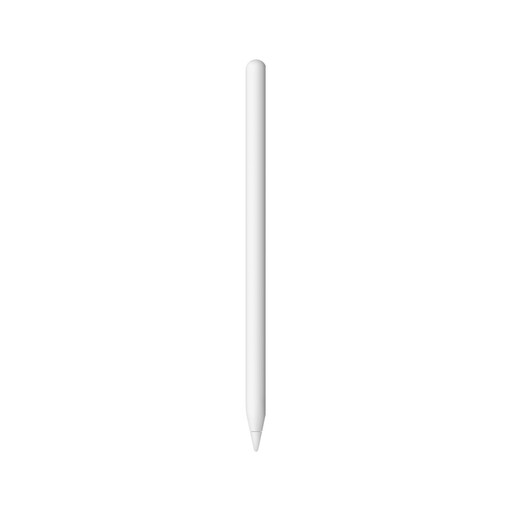
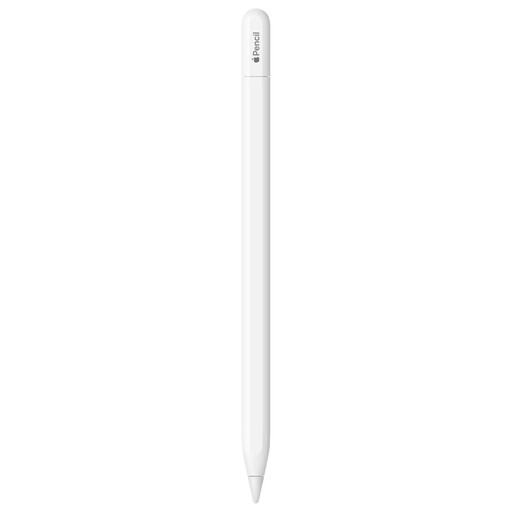
These two Apple Pencil options are for sketching with a compatible iPad. Check your exact iPad model before choosing either one; computer-connected drawing equipment and Galaxy Tab pens are different routes.
 No image available
Consider this second-generation Pencil for concept sketches on an existing iPad only after checking that your exact model supports it.
If pressure-controlled lines are important to your work, confirm how this Pencil works with your intended drawing app.
 No image available
For sketches on a compatible iPad, Apple lists tilt sensitivity for this Pencil and USB-C charging.
Check your exact iPad model before ordering. If pressure-driven line variation matters, compare the Pencil’s supported controls with your drawing app’s requirements.
Find your tablet’s exact model and generation, then compare it with the pen maker’s compatibility list. Apple specifies supported iPads for its Pencils, Samsung names the Galaxy Tab families for its replacement S Pens, and Logitech specifies compatible iPads for Crayon.
Not necessarily: a tilt-sensitive pen may suit diagrams and simpler sketches. If you want line weight to respond to pressure, check both the exact pen and your drawing app; Samsung lists pressure sensitivity for the cited S Pens, while Apple distinguishes Apple Pencil (USB-C) from its pressure-sensitive options.
A Wacom pen display offers a different, computer-based way to draw rather than a like-for-like iPad stylus replacement. Wacom One 14 provides a 14-inch pen-on-screen workspace, so check your computer setup and available desk area before choosing it.
For equipment within their scope in Great Britain, the Electrical Equipment (Safety) Regulations 2016 require applicable safety objectives to be met before it is placed on the market, according to GOV.UK guidance. Check the product documentation and applicable conformity information rather than assuming a listing establishes compliance. Northern Ireland has distinct regulatory treatment, so check guidance applicable there if that is where you are buying.