Hand-drawn poster illustrators
If you create lettering, character art or textured brushwork, check whether the pen, tablet and design app support the pressure, tilt and tool controls your drawing process uses.


Start with a stylus explicitly compatible with the tablet you already use: Apple Pencil, S Pen and Surface pens are not interchangeable. If your posters involve hand-drawn lettering or brushwork, check pressure support and pen controls; if you mainly sketch layouts and annotate proofs, those controls may matter less than a tidy setup and a compatible charging method. A connected drawing display offers another route, but it needs a computer and more desk space.
If you create lettering, character art or textured brushwork, check whether the pen, tablet and design app support the pressure, tilt and tool controls your drawing process uses.
If you use an existing iPad to sketch concepts and annotate poster proofs, compatibility and a convenient place to store the pen may matter more than advanced drawing controls.
If poster production happens mainly on a computer, consider whether pen input belongs on a compatible Surface or on a connected drawing display that will also fit your desk.
For theatre-poster work on a small desk, identify the tablet or computer you will use before comparing drawing controls, storage and charging. Then decide whether the pen is chiefly for finished illustration or for sketches and proof mark-up.
| Concern | What to check | Who this matters to |
|---|---|---|
| Device compatibility | Match the exact tablet model to the pen maker’s compatibility list. For Surface, also check which inking features that model supports. | I want to keep designing on my current device, so a pen that cannot work with it would stop the project before drawing begins. Around 36% of consumers put compatibility and their existing workflow first. |
| Drawing controls | Check pressure and tilt support, then confirm that the design app uses any pen shortcuts you want. | Hand-drawn lettering and brush marks are central to my posters, so I need to know which controls work in my drawing setup. For around 29% of consumers, expressive drawing control is the primary concern. |
| Desk setup | Check where the pen stores and how it charges; for a connected display, check its footprint and the computer connection. | Scripts and proofs already occupy my desk, and I want the pen within reach without adding an awkward screen or charging arrangement. Keeping the setup manageable comes first for around 21% of consumers. |
| Simple sketching | Compare a compatible pen’s sketching features with the drawing controls you would give up. Apple says Pencil (USB-C) does not support pressure sensitivity. | I use the tablet mainly to sketch layouts and mark up proofs, rather than to make pressure-led artwork. Around 14% of consumers prioritise a straightforward sketching and annotation tool. |
Apple Pencil support depends on the iPad model, Samsung’s cited replacement S Pen is for specified Galaxy Tab FE models, and Microsoft says Surface pen features vary by device.
Find your tablet’s exact model name and compare it with the pen maker’s compatibility information before ordering.
Apple lists pressure sensitivity for Pencil Pro but not for Pencil (USB-C). Both may serve sketching tasks, but that difference matters if your chosen app uses pen pressure for lettering or brush marks.
Decide whether pressure-responsive strokes are part of your poster work before choosing between compatible Pencil models.
Apple Pencil (USB-C) attaches magnetically for storage but pairs and charges through a USB-C cable. Surface Slim Pen charging depends on a compatible device or accessory.
Check storage, charging and the accessories you will use as separate parts of the setup.
Wacom One 14 connects to a computer and occupies more desk area than a pen stored against a tablet. Its single-cable setup requires a suitable computer port; Wacom lists a separately sold Converter Kit for computers without DisplayPort Alt Mode.
Measure the usable desk area and check the computer’s ports before choosing a connected display. Check whether you also need the separately sold stand.
Apple Pencil models are options for specifically compatible iPads, rather than interchangeable pens for every iPad.
The cited replacement S Pen is intended for compatible Galaxy Tab S9 FE, S10 FE and FE+ devices.
Surface Slim Pen is a route for poster work on a compatible Surface and Windows setup.
Wacom One 14 is a connected pen-display option for drawing with a compatible computer.
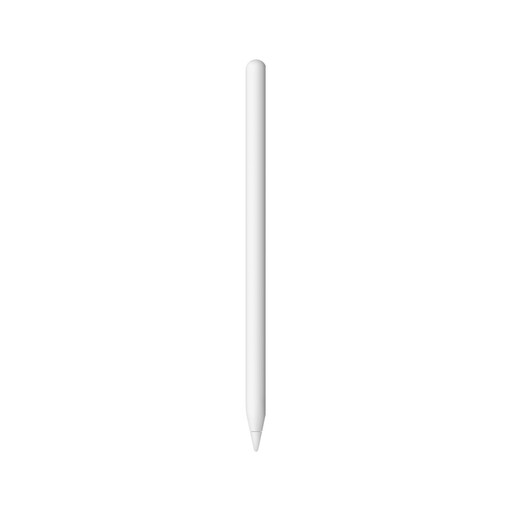
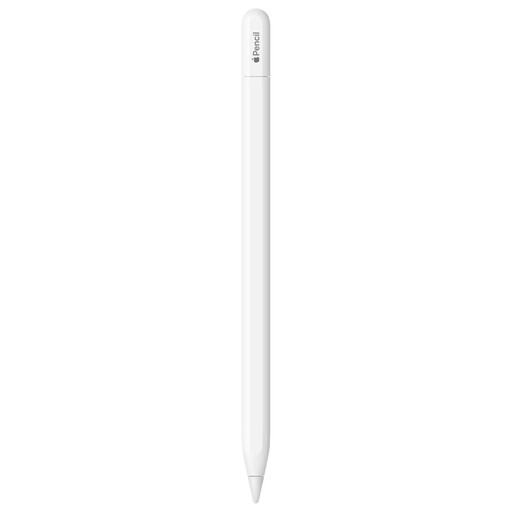
These Apple Pencil options are for sketching and marking up poster ideas on compatible iPads. Check your exact iPad model before choosing; the two pens differ in charging and drawing controls.
 No image available
Consider this model for sketching and marking up poster concepts if your iPad appears on its compatibility list.
 No image available
Consider this model for concept sketches and layout mark-up on an iPad that Apple lists as compatible.
No: Apple, Samsung and Microsoft specify compatibility by device model. Check your exact tablet against the pen maker’s list; for a Surface, check the model’s supported pen features as well.
It can suit concept sketches and layout mark-up on a compatible iPad, including tilt-based shading in a supporting app. Apple lists no pressure sensitivity or double-tap for this model, so check whether brushwork or pen-side tool changes are central to your process.
No. Apple says Pencil Pro pairs, charges and stores magnetically on compatible iPads, while Pencil (USB-C) attaches magnetically for storage but pairs and charges through a USB-C cable.
Check that the 14-inch display fits alongside the computer and other poster materials you use. For Wacom’s single-USB-C-cable setup, the computer needs Thunderbolt 3 or later or DisplayPort Alt Mode; Wacom says a Converter Kit is sold separately for computers without DisplayPort Alt Mode, and the stand is sold separately too.