Invitation makers with an existing tablet
If you already use an iPad or Galaxy Tab, a compatible pen lets you sketch motifs, hand-letter names and mark up proofs on that device. Check its exact model and generation before choosing a stylus.


Choose a pen that works with the device and design software you already use before comparing drawing controls. Apple Pencil models require specified iPads, S Pens depend on the Galaxy Tab model, and Wacom pen tablets are designed for use with a Mac or PC. For invitation lettering and illustration, advanced controls are worth considering only if your compatible device and app can use them.
If you already use an iPad or Galaxy Tab, a compatible pen lets you sketch motifs, hand-letter names and mark up proofs on that device. Check its exact model and generation before choosing a stylus.
Repeated lettering and illustration adjustments make pen controls more relevant. Apple and Samsung describe different pressure, tilt and interaction features, but the controls available to you depend on the particular pen, tablet and app.
If invitation files are mainly created on a Mac or PC, a computer-connected pen tablet or pen display adds pen input to that workflow. Wacom describes its pen tablets as devices used with a computer, not standalone tablets.
For wedding-invitation work at home, decide whether you will draw on an existing tablet, use a tablet supplied with a pen or keep designing on a computer. Then weigh the controls you need for artwork against the setup each route requires.
| Concern | What to check | Who this matters to |
|---|---|---|
| Device compatibility | Match the exact tablet model and generation to the pen maker’s compatibility list; check pairing and charging. | If I already own a tablet, I need a pen that works with it before I can draw or annotate invitation proofs. Around 46% of consumers would put device compatibility first. |
| Lettering and illustration control | Check the pen’s pressure, tilt and tool controls against the features your tablet and design app can use. | When I draw original lettering or motifs, controlling strokes matters more than quick proof markup. Fine creative control would come first for around 36% of consumers. |
| Desktop workflow | Confirm Mac or PC and software compatibility, connection requirements and whether you want a pen tablet or pen display. | If my invitation layouts live in desktop software, I want pen input without changing my main working device. Keeping that computer workflow would be the primary need for around 18% of consumers. |
A USB-C connection or a familiar brand name does not establish that a pen’s active features will work with your tablet. Apple lists compatible iPads by Pencil model, while Samsung ties S Pen use to compatible Galaxy Tab devices.
Compare your complete tablet model and generation with the pen maker’s compatibility list, then check how that pen pairs and charges.
Sketching and marking up proofs place different demands on a pen from frequent lettering, illustration and tool changes. Apple describes additional interaction controls for Pencil Pro on supported iPads, but those controls only matter if they fit your work.
Identify the tasks you do most often and check that your tablet and app can use the controls you are considering.
Wacom says its pen tablets are used with a Mac or PC. That suits a computer-based home office but is different from drawing directly on an iPad or Galaxy Tab.
Before choosing one, check your desktop software, operating system, connections and available desk space.
GOV.UK advises that electrical products and batteries bearing the crossed-out wheelie-bin symbol should not go in household rubbish.
Use an appropriate electrical-waste collection point for an old stylus or tablet, and follow local battery-recycling guidance if its battery is removable.
Apple Pencil is a route for people designing on a compatible iPad. Pencil Pro and Pencil (USB-C) differ in their controls and charging methods.
Galaxy Tab models with a compatible S Pen provide an Android tablet route for drawing, writing and annotating invitation designs.
Wacom pen tablets and pen displays are options for adding pen input to invitation work on a Mac or PC.
These choices include an Android tablet supplied with a stylus and two Apple Pencil models for compatible iPads. Choose according to the device and invitation-design app you intend to use.
 No image available
For consumers who want to sketch invitations directly on a tablet supplied with a stylus; check that your intended design app supports the pen input you need.
The listed configuration has a 12.7-inch 2K display, Helio G99 processor, 20GB RAM, 256GB storage, 10,000mAh battery and Android 15.
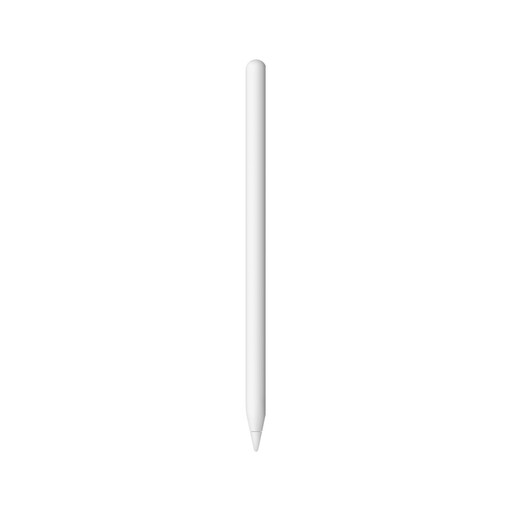 No image available
For drawing invitation artwork or marking up proofs on a compatible iPad. Check your exact iPad model and generation against the compatibility list before choosing it.
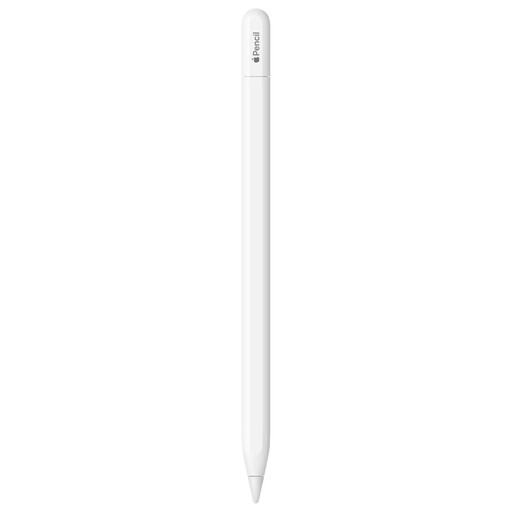 No image available
For sketching or annotating invitation proofs on an iPad listed as compatible by Apple. Confirm your exact iPad model before purchase.
Apple describes tilt sensitivity and USB-C cable pairing and charging for this model.
No. Active pen features depend on the device: Apple publishes compatibility lists for individual Pencil models, and Samsung’s S Pen guidance concerns compatible Galaxy Tab devices. Match the exact tablet model, generation and pen variant before buying.
Consider Pencil Pro if you own a listed compatible iPad and would use its extra drawing and tool controls. Apple describes features including squeeze, barrel roll and haptic feedback for Pencil Pro; Pencil (USB-C) offers tilt sensitivity and USB-C charging for compatible iPads. Check which controls your design app can use.
Do not assume so. Samsung identifies particular UK tablet listings as including an S Pen; check the exact Galaxy Tab configuration and its pen compatibility before ordering.
It can serve the same invitation-design task if your main workflow is on a Mac or PC. Wacom pen tablets add pen input to a computer rather than operating as standalone tablets, so check your desktop software and connection requirements.
Use an appropriate electrical-waste recycling route rather than putting an item marked with the crossed-out wheelie-bin symbol in household rubbish. GOV.UK gives this guidance for electrical products and batteries; follow local collection instructions for the device and any removable battery.