
24/7 Customer Support

Free returns

Same-day & Next-day Delivery

Quality Guaranteed

Unlock Your Welcome Offers: FREE Delivery | Up to 80% OFF | Free 30-day JoyPlus trial
Download the APP
Navigating the world of honey and sugar alternatives can feel overwhelming. With shelves full of products all claiming to be the healthier choice, it is easy to make a purchase you later regret. Many UK shoppers find themselves with sweeteners that have a strange aftertaste, ruin their baking or are not as "natural" as their labels suggest.
As a Joybuy Product Recommendation Officer, my role is to help you see past the marketing jargon. This guide will break down the common pitfalls to avoid and clarify the essential factors to consider, ensuring you choose a product that genuinely suits your needs, whether for your morning tea, a weekend baking project or even exploring new culinary tastes.
Before you add anything to your basket, be aware of these frequent issues that can lead to disappointment and wasted money:
To make an informed choice, focus on these three practical parameters.
Understanding the source of sweetness is crucial. The most common natural sugar substitutes you will find in the UK fall into a few key categories:
The physical form of a sweetener dictates its best use:
Beyond the baking aisle, you will find sweeteners used to balance flavour in a wide range of products. In many Asian cuisines, for example, sweeteners are a key ingredient in savoury items like Chinese pickles and sauces to create a complex taste profile. Likewise, many everyday items from honey throat lozenges to cereal bars use honey or other sweeteners for flavour and function. Always check the ingredients list if you are managing your intake for dietary reasons.
To help you find the right fit, here are some products matched to different needs, all of which address the common pitfalls.
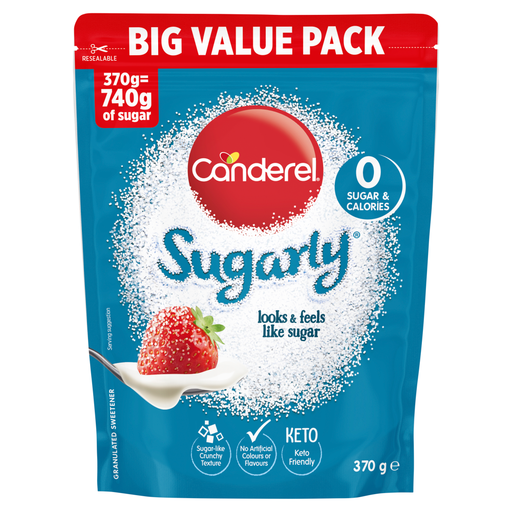
Why This Fits Their Persona: This granulated sweetener is based on erythritol and is designed to look, feel and crunch just like sugar. It is a straightforward swap for anyone wanting to reduce calories in their home baking without complex conversions.
It directly tackles the "poor performance" trap by providing a texture very similar to sugar, making it reliable for baking cakes, cookies and sprinkling over cereal.
Zero calories and zero sugar. It is suitable for keto, gluten-free and vegan diets, making it a versatile pantry staple.
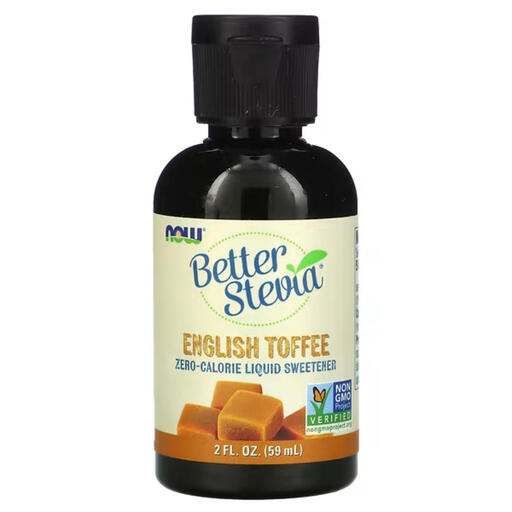
Why This Fits Their Persona: For those who sweeten multiple drinks a day, these flavoured liquid stevia drops offer convenience and taste. The English Toffee flavour adds a touch of indulgence to coffee or tea without any calories.
This product uses a certified organic stevia extract processed to minimise the bitter aftertaste. The added natural flavouring also helps ensure a clean, sweet finish.
Zero-calorie and low-glycaemic. The flip-top bottle allows for precise, mess-free dispensing, making it easy to control the level of sweetness.
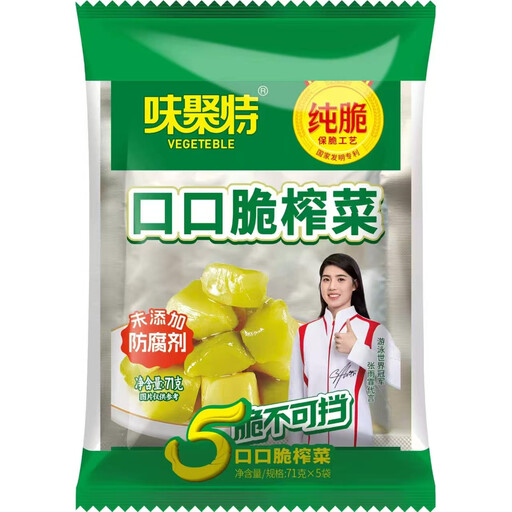
Why This Fits Their Persona: This is for the cook who wants to explore authentic global flavours. These Chinese pickles (Zhacai) use a sweetener (sucralose) not just for sweetness, but to balance the salty, spicy and savoury notes of the dish.
It sidesteps the "natural illusion" by being upfront about its purpose. The sweetener is a functional ingredient for flavour balance in a savoury context, not a health-focused sugar replacement.
Delivers an authentic Sichuan taste that is ready-to-eat. It is a perfect, crunchy accompaniment to rice, noodles or congee.
We have compiled a complete, real-time list of products that fully satisfy these strict selection criteria and UK safety regulations.
1. Can I replace sugar 1:1 with all sweeteners when baking? No, this is a common mistake. While some granular products like Canderel Sugarly are designed for a near 1:1 replacement by volume, many others are not. High-intensity sweeteners like pure stevia are hundreds of times sweeter than sugar and you would only need a tiny amount. Always check the manufacturer's instructions, as using the wrong ratio will spoil your recipe.
2. What are sugar alcohols like erythritol and are there any side effects? Sugar alcohols are a type of carbohydrate found naturally in some fruits and vegetables or produced commercially. They provide sweetness with fewer calories because they are not completely absorbed by the body. For some people, consuming large amounts of certain sugar alcohols (like sorbitol or xylitol) can cause digestive discomfort. Erythritol is generally considered one of the better-tolerated options.
3. I see sweeteners in savoury foods like pickles. Why is that? In many cuisines, particularly in Asia, sweetness is a fundamental component of flavour balancing. A small amount of sweetener is added to savoury, salty or spicy dishes to round out the taste and create a more complex and harmonious flavour profile. It is not there to make the food sweet, but to enhance the other ingredients.