
24/7 Customer Support

Free returns

Same-day & Next-day Delivery

Quality Guaranteed

Unlock Your Welcome Offers: FREE Delivery | Up to 80% OFF | Free 30-day JoyPlus trial
Download the APP
Buying sugar and sweeteners seems straightforward until a recipe requires a particular texture, flavour or melting behaviour. A large bag may look economical but be unsuitable for delicate baking, while a product labelled “brown sugar” may not provide the moist, treacly character you expected.
This guide explains the practical differences between common sugars, syrups and sugar substitutes, helping UK households, bakers and cooks choose products with fewer surprises.
Caster sugar, white granulated sugar and icing sugar are all sweet, but their crystal sizes produce different results. Caster sugar dissolves quickly in cake mixtures, meringues and hot drinks. Icing sugar is finely milled and commonly includes maize starch to reduce clumping, making it suitable for dusting, glazing and buttercream rather than general cooking.
Replacing one type with another can affect volume, smoothness and the finished appearance of a recipe.
Demerara sugar has relatively large, crunchy crystals and light caramel notes. Muscovado sugar contains naturally retained cane molasses, giving it a softer texture and deeper flavour. Dark soft brown sugar is moist and sticky, while a flavoured product such as osmanthus brown sugar is intended for drinks or specific dessert applications.
The colour alone does not tell you how the sugar will behave. Check the ingredient list and texture description before buying.
A calorie-free sweetener may sweeten drinks without providing the same bulk, browning or structure as sugar. Truvia, for example, contains erythritol and steviol glycosides, while a xylitol sugar substitute is made from xylitol. These products can suit particular drinks or recipes, but they are not automatically a direct replacement for sugar in every bake.
Always check serving guidance, polyol content and any warning about excessive consumption on the packaging.
For regular home baking, a 500g pack can reduce cupboard waste. Frequent bakers may find a 1kg or 2kg pack more practical, provided it can be stored in an airtight container.
Demerara, muscovado and brown sugar contribute more than sweetness. Their molasses content can add colour, moisture and caramel-like flavour to fruitcake, gingerbread, sticky puddings and savoury glazes.
By contrast, white granulated sugar and caster sugar have a more neutral flavour. Choose these when you want the colour and taste of other ingredients to remain prominent.
Check the complete ingredient list rather than relying only on front-of-pack wording.
Storage also matters. Keep dry sugars in a cool, dry place and seal moist brown sugars tightly to help prevent hardening. Opened golden syrup and black treacle should be stored according to the pack instructions.
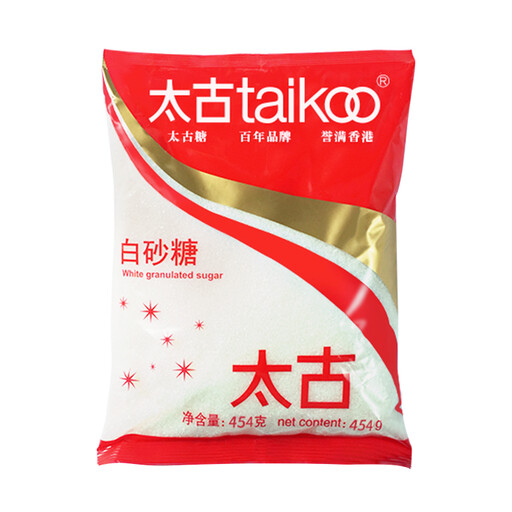
Why This Fits Their Persona: A compact everyday pack for shoppers who need one straightforward sugar for hot drinks, basic baking and cooking.
Its product information identifies it as white granulated sugar, avoiding confusion with icing or brown sugar varieties.
Fine crystals; suitable for beverages, cooking, baking and desserts; 454g net quantity.
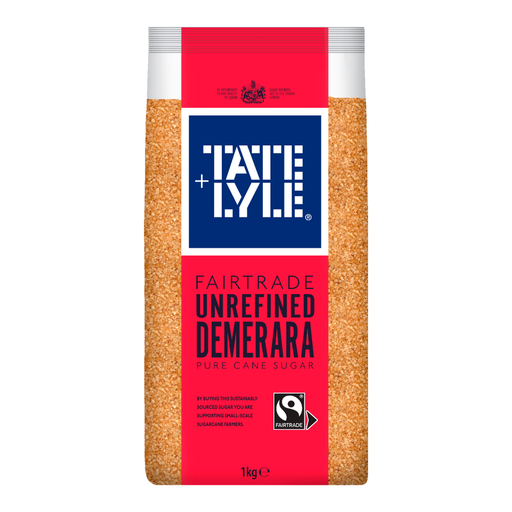
Why This Fits Their Persona: Suits shoppers who want a larger Fairtrade sugar pack with a noticeable texture for finishing and flavour-led recipes.
The listing specifies 100% pure cane sugar, a crunchy texture and delicate caramel notes rather than relying on colour alone.
1kg pack; Fairtrade sugar; suitable for vegetarian, vegan and kosher diets.
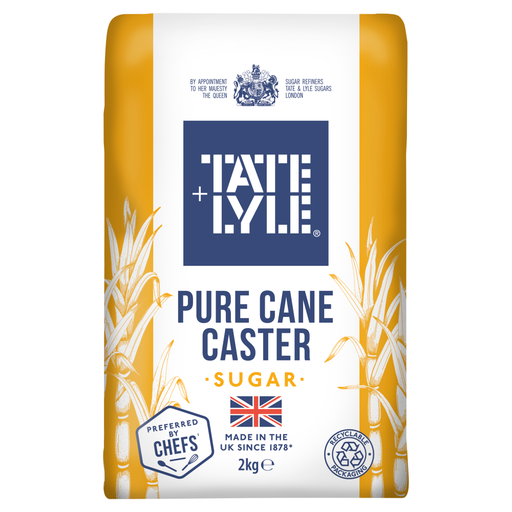
Why This Fits Their Persona: A 2kg baking sugar pack for active home bakers, pastry learners and households preparing cakes regularly.
Its fine crystal specification makes the intended baking use clear, rather than presenting a general-purpose product as suitable for every technique.
2kg net quantity; 100% pure cane sugar; suitable for vegetarian and vegan diets.
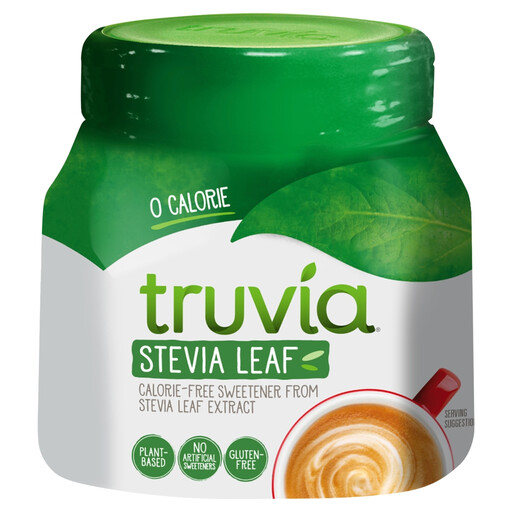
Why This Fits Their Persona: Suitable for shoppers comparing sugar alternatives for hot drinks or recipes where a sugar-like texture is useful.
The ingredients clearly identify erythritol and steviol glycosides, while the nutrition panel lists 0kJ/0kcal per 100g and 0g sugars.
270g pack; stevia leaf extract sweetener; no listed allergens; storage is ambient.
We have compiled a complete, real-time list of products that fully satisfy these strict selection criteria and UK safety regulations.
For rich desserts and savoury glazes, Tate & Lyle Black Treacle 454g provides a dark cane-molasses flavour for parkin, gingerbread, treacle toffee and selected marinades. Lyle’s Golden Syrup 454g is suited to flapjacks, puddings, pancakes and sticky bakes.
For moist fruitcake or chocolate puddings, Tate & Lyle Fairtrade Muscovado Dark 500g offers a soft texture and high molasses content. Meanwhile, icing sugar is more suitable for smooth toppings: the Tate & Lyle Cane Icing Sugar 1kg listing identifies maize starch alongside cane sugar and notes its use for dusting, glazing and buttercream.
Both are refined sugars, but caster sugar has finer crystals. It generally dissolves more quickly and is commonly selected for cakes, meringues and delicate mixtures. White granulated sugar is more suitable as an everyday table, drink and cooking sugar.
Dark muscovado or dark soft brown sugar is usually the more appropriate choice when a recipe needs moisture and a deeper molasses flavour. Demerara has larger crunchy crystals, so it is often used for toppings, crumbles and biscuits rather than as a like-for-like muscovado replacement.
Keep dry sugar in a cool, dry cupboard away from steam and strong odours. Reseal fine icing sugar and caster sugar to reduce clumping, and keep moist brown sugar airtight so it does not dry out. Syrups should remain upright and follow the opening instructions on the label. Always check the packaging before use, as formulations and storage guidance can change.