If you need a sugar-free chocolate biscuit, do not treat “no added sugar” or “Zero” in a product name as proof: check the exact product’s claim and sugars per 100g. Regulation (EC) No 1924/2006 states a threshold of no more than 0.5g sugars per 100g for a sugar-free claim on food. A no-added-sugar biscuit may meet a different shopping requirement, but its carbohydrate, allergens and delivery method still need checking before you order.
Who needs to check what?
The useful distinction is not simply which biscuit has a sugar-related name, but which requirement the label and nutrition panel actually address.
Shoppers seeking a strictly sugar-free biscuit
Check the claim on the exact product and its sugars value per 100g. The sugar-free claim threshold stated in Regulation (EC) No 1924/2006 is no more than 0.5g sugars per 100g for food; “no added sugar” is not the same claim.
People comparing carbohydrate and portions
A no-added-sugar description does not tell you the total carbohydrate or portion size. Compare those figures on the product you intend to buy. Diabetes UK notes that polyols, a type of sweetener, contain carbohydrate and calories.
Shoppers with allergy or intolerance requirements
Check ingredients and allergen information on the exact listing as well as its sugar information. Tesco’s Diablo chocolate cream cookie listing declares wheat, milk and soya; a free-from category addresses a separate requirement and does not establish sugar content.
What matters when choosing?
A sugar-free requirement
Choose this route: When the biscuit must meet a sugar-free claim rather than merely avoid added sugar.
The catch: A sugar-related product name cannot replace a check of the exact claim and nutrition panel.
A no-added-sugar alternative
Consider this route: When avoiding added sugar is your requirement and you can assess the biscuit’s full nutrition and ingredients.
The catch: It can still contain sugars and carbohydrate; Diablo’s manufacturer, for example, lists 4g sugars per 100g for its Choco Covered Cream Cookies.
| Priority |
What to check |
Your needs |
| Sugar claim |
Read the exact claim and sugars per 100g. Regulation (EC) No 1924/2006 states a limit of 0.5g sugars per 100g for a sugar-free claim on food; “no added sugar” does not establish that value. |
I need to know whether the biscuit meets a strict sugar limit, rather than relying on a search filter or product name. |
| Carbohydrate and portion |
Compare carbohydrate and sugars on the same per-100g basis, then check the portion you plan to eat. Identify any polyols in the ingredients; Diabetes UK notes that they contain carbohydrate and calories. |
A no-added-sugar biscuit could suit my shopping aim, but I still want to understand what is in a portion. |
| Allergens |
Read the exact product’s ingredients and allergen declaration. Check what a “free-from” description excludes instead of treating it as a sugar claim. |
I need to check my ingredient exclusions separately from the biscuit’s sugar information. |
| Delivery |
Check whether the item joins a grocery slot or is dispatched separately. Tesco says its Marketplace items are sent directly by the seller by post or courier. |
If I need the biscuits for a particular day, the dispatch method matters as much as adding them to my basket. |
Mistakes to avoid
-
Treating “no added sugar” as “sugar-free”
The descriptions answer different questions. Diablo lists 4g sugars per 100g for its no-added-sugar Choco Covered Cream Cookies, above the 0.5g-per-100g sugar-free claim threshold stated in Regulation (EC) No 1924/2006.
If you require a sugar-free biscuit, check both the exact product claim and its sugars per 100g before ordering.
-
Stopping at the sugar figure
Diablo’s manufacturer also lists 51g carbohydrate and 31g polyols per 100g for those cookies. Diabetes UK notes that polyols contain carbohydrate and calories.
Compare the carbohydrate figure and the portion you intend to eat, rather than using “no added sugar” as a summary of the whole nutrition panel.
-
Assuming a retailer listing joins your grocery slot
Tesco identifies its Diablo listing as a Marketplace item and says Marketplace sellers send items directly by post or courier.
Read the delivery details on the product page before checkout, particularly if timing matters.
-
Using “free from” as a sugar filter
A free-from chocolate biscuit may address an ingredient exclusion without making a sugar-free claim. Sainsbury’s free-from chocolate-and-biscuit category includes milk-free products.
Check the individual biscuit’s ingredients and nutrition panel against your separate requirements.
Brand and retailer references
These examples clarify labels and shopping routes; a brand or retailer category does not establish that every product in it meets the same requirement.
Diablo
Its No Added Sugar Choco Covered Cream Cookies provide a concrete example of why the nutrition panel matters more than the brand name.
- Diablo lists 4g sugars, 51g carbohydrate and 31g polyols per 100g for the 136g product.
- Those 4g sugars per 100g exceed the sugar-free claim threshold stated in Regulation (EC) No 1924/2006.
Tesco
Tesco lists Diablo No Added Sugar Chocolate Cream Cookies as a Marketplace product.
- The product listing identifies the biscuit and its Marketplace delivery arrangement.
- Tesco says Marketplace items are sent by the seller by post or courier; do not assume they arrive in a selected grocery slot.
Sainsbury's
Its free-from chocolate-and-biscuit category is relevant when an ingredient exclusion is part of the shopping decision.
- The category includes milk-free chocolate-and-biscuit products.
- A free-from category description does not establish a sugar-free claim for an individual biscuit.
Chocolate biscuit options on Joybuy
These options include biscuits with sugar-related wording and a chocolate-flavoured biscuit. Check each exact product’s nutrition panel and ingredients against your requirement; the names alone do not settle whether a strict sugar limit is met.
 No image available
Oreo Zero Sugar Sandwich Cookies 97g
If you are shopping for a sugar-free biscuit, check the sugars per 100g and the claim on this exact 97g pack rather than relying on “Zero Sugar” in its name. Check the allergen declaration if you need to avoid wheat or soya.
View on Joybuy
 No image available
Gullon Zero Dark Chocolate Ginger Oaties 285g
For a dark-chocolate-and-ginger biscuit, compare the sugars and carbohydrate per 100g on this 285g product’s panel. “Zero” in the name is not a substitute for checking the exact claim; also review the allergen and precautionary statements.
View on Joybuy
 No image available
Gullon Zero No Added Sugar Cookies and Cream 210g
This 210g cookies-and-cream product is named “No Added Sugar”, which is a different description from sugar-free. Check its sugars and carbohydrate per 100g, plus the ingredients and allergen declaration, before deciding whether it meets your requirements.
View on Joybuy
 No image available
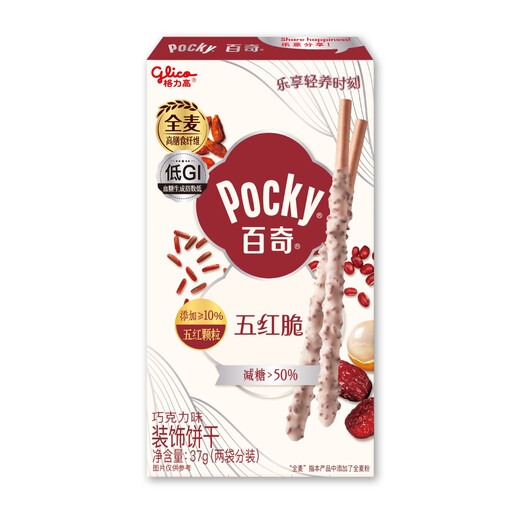
Glico Pock 5-Red Crunchy Chocolate-Flavoured Decorative Biscuit 37g
If you want a chocolate-flavoured biscuit in a 37g pack, check its exact sugar claim and sugars per 100g before treating it as a sugar-free option. Review the ingredient and allergen information separately.
View on Joybuy
Common questions
What does “sugar-free” mean on a chocolate-biscuit label?
Regulation (EC) No 1924/2006 states that a sugar-free claim on food may be made only when it contains no more than 0.5g sugars per 100g. Check the claim and nutrition panel for the exact biscuit, rather than relying on a category filter or a similar-looking product name.
Is a no-added-sugar biscuit automatically suitable for someone with diabetes?
No. “No added sugar” does not establish the biscuit’s total carbohydrate or sugars. Diabetes UK notes that polyols contain carbohydrate and calories and that counting them for insulin adjustment can be unclear; the exact nutrition panel matters more than the front-of-pack description.
What should I check before ordering Diablo cookies from Tesco?
Check whether their no-added-sugar description meets your actual sugar requirement, then read the ingredients and allergens: the Tesco listing declares wheat, milk and soya. Tesco also identifies the item as Marketplace, sent directly by the seller by post or courier rather than in the grocery-delivery slot.
Does a free-from chocolate biscuit meet a sugar-free requirement?
Not on the strength of its category name. Sainsbury’s free-from chocolate-and-biscuit category includes products addressing ingredient exclusions such as milk; check an individual biscuit’s sugar claim and nutrition panel separately.


