Hotel amenity buyers
Choose a product whose label supports the description guests will see. Check the ingredients, allergens, portion format and current packaging before placing it in a room.


For hotel-room tea, choose a chocolate bar labelled sugar-free when that specific claim matters, and check its sugars figure against the 0.5 g per 100 g threshold stated in the nutrition-claims annex published on legislation.gov.uk. If the aim is to avoid added sugars, a no-added-sugar bar is a different option: compare its total sugars, ingredients and portion. A conventional bar can accompany tea, but its size or packaging does not make it sugar-free.
Choose a product whose label supports the description guests will see. Check the ingredients, allergens, portion format and current packaging before placing it in a room.
A no-added-sugar label answers a different question from a sugar-free label. Compare sugars and carbohydrate on the nutrition panel, along with the sweeteners and serving size, rather than relying on the front-of-pack wording alone.
The exact bar’s ingredients matter. Keep its original packaging and allergen information accessible, including when a hotel offers bars separately from a multipack.
Start with the claim the hotel intends to make, then compare the exact bar’s nutrition and ingredients. Packaging matters too if guests will receive individual portions.
Choose when: The offer specifically calls for a sugar-free claim; check the claim and sugars figure on the exact pack.
Bear in mind: Sugar-free does not mean free from allergens or sweeteners.
Choose when: Avoiding added sugars matters, but a sugar-free claim is not required.
Bear in mind: Total sugars can remain; Chocolates Valor lists 8.7 g per 100 g for its no-added-sugar milk bar.
Choose when: The aim is a chocolate accompaniment to tea, not a sugar-free offer.
Bear in mind: A smaller portion does not establish a sugar-free claim; check the exact bar’s label.
| Priority | What to check | Your needs |
|---|---|---|
| Sugar claim | Compare the exact claim with the sugars figure per 100 g. The nutrition-claims annex published on legislation.gov.uk specifies no more than 0.5 g sugars per 100 g for a sugar-free claim; its no-added-sugars definition concerns ingredients added for sweetening. | I want the room description to match the bar guests actually receive, whether it says sugar-free or no added sugars. |
| Sweeteners | Read the ingredient list for sweeteners and check all pack warnings. Chocolates Valor lists maltitol and steviol glycosides in its no-added-sugar milk bar. | Before offering a sweetened bar as the default, I want guests to be able to see what it contains. |
| Allergens | Check the ingredients and emphasised allergens on the exact pack, including any substitute flavour. Food Standards Agency guidance says prepacked food must carry an ingredients list with allergens emphasised. | I need to be able to check my own bar’s ingredients, not rely on information for another product from the same brand. |
| Portion format | Check the sugars figure per portion as well as per 100 g. If a multipack will be split, confirm what ingredient and allergen information remains available with each bar. | A bar placed on its own in my room should still be identifiable and have its product information available. |
| Conventional bars | Check the exact variant rather than its brand or size. Mars lists 54 g sugars per 100 g for Galaxy Milk Chocolate Bar 42 g; its Snickers Chocolate Bar 40 g lists 49 g per 100 g. | If I ask for a sugar-free option, I do not want an ordinary chocolate bar presented as equivalent simply because it is portioned. |
The claims describe different things. Chocolates Valor’s no-added-sugar milk bar, for example, lists 8.7 g sugars per 100 g.
Use the wording on the exact pack and check its nutrition panel before describing a hotel-room bar as sugar-free.
Specialist bars can contain polyols or other sweeteners. KetoBabe Chocolate’s erythritol-and-stevia bar carries a manufacturer caution about discomfort from excessive consumption.
Keep the original ingredient information and any warnings available to guests; do not describe the bar as suitable for everyone.
Those descriptions address different product characteristics. Mars describes its Snickers Protein bar as having 30% less sugar per 100 g than standard Snickers, which is a comparison, not a sugar-free claim.
Check the claim and nutrition panel for the precise flavour and pack size being ordered.
Allergens differ between chocolate bars. Mars lists peanuts, milk, soya and egg ingredients for its standard Snickers bar, while Nestlé lists wheat and milk ingredients for KitKat 4 Finger Milk.
Before splitting multipacks or changing the presentation, make sure guests can identify each bar and access its original ingredient and allergen information.
These product-line examples show why the exact claim and label matter; a brand name alone does not establish what another bar contains.
Chocolates Valor lists a no-added-sugar milk chocolate bar alongside other no-added-sugar varieties.
The Pod Chocolates lists named milk, dark and other bars in its sugar-free collection.
KetoBabe Chocolate describes its 70% dark bar as no added sugar and sweetened with stevia and erythritol.
Galaxy has conventional milk chocolate bars and a separately described dairy-free range.
Mars lists both a standard Snickers bar and a Protein variant with a comparative reduced-sugar claim.
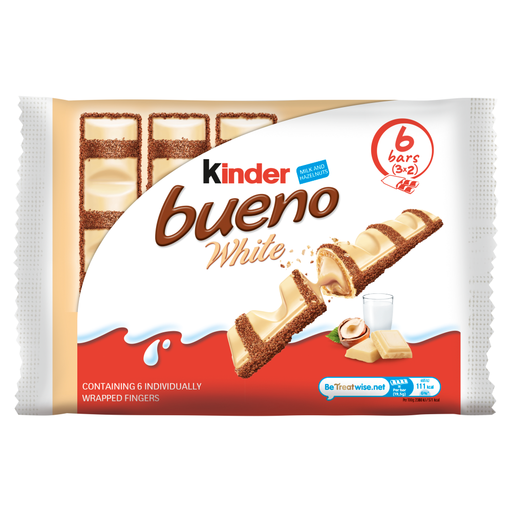
This Joybuy option is a conventional chocolate accompaniment to tea, not a sugar-free or no-added-sugar selection. Check how ingredient and allergen information will reach guests if the pack is divided into individual bars.
 No image available
A three-bar pack to consider for a conventional chocolate accompaniment to hotel-room tea, not for a sugar-free offer. Before placing the bars separately, check their current ingredients, allergens and whether each guest can access the pack information.
No. The nutrition-claims annex published on legislation.gov.uk sets a limit of 0.5 g sugars per 100 g for a sugar-free claim. Its no-added-sugars definition instead concerns added sugars and other foods used for sweetening, so check the finished bar’s sugars figure separately.
Bars can use different sweeteners, and their packaging may carry relevant warnings. Read the exact bar’s ingredients and retain its warnings for guests; KetoBabe Chocolate, for example, cautions about discomfort from excessive consumption of its erythritol-and-stevia dark bar.
Guests should be able to check the exact product’s ingredients and highlighted allergens. Food Standards Agency guidance says prepacked food must have an ingredients list and emphasise allergens wherever they appear in it. Take particular care if distributing individual bars from a larger pack.
Not the specific standard bars listed here. Mars gives 54 g sugars per 100 g for Galaxy Milk Chocolate Bar 42 g and 49 g per 100 g for Snickers Chocolate Bar 40 g; Nestlé gives 21.3 g total sugars per 41.5 g serving for KitKat 4 Finger Milk. Check any different variant’s own claim and nutrition panel rather than extending these figures across a brand.