If protein is your main reason for choosing a post-gym bar, compare the amount per whole bar in low-sugar protein options; “low sugar” does not mean sugar-free. If you need a strictly sugar-free chocolate bar, check the sugars figure per 100 g against the 0.5 g limit for a sugar-free claim, and consider whether the bar’s other ingredients and nutrition information suit your plans.
Who is this choice for?
Gym-goers comparing protein snacks
If you want a chocolate-style bar after training, compare protein and sugars per whole bar. The rest of the nutrition panel, ingredients and serving size matter too; a protein claim alone does not settle the choice.
Shoppers with a strict sugar-free requirement
Do not treat “no added sugar” as another way of saying sugar-free. The sugar-free claim condition published on legislation.gov.uk is no more than 0.5 g sugars per 100 g or 100 ml.
People who prefer to limit polyols
Check the ingredients for sweeteners such as maltitol or erythritol, as well as any on-pack warning. This is especially useful when choosing a bar to eat close to exercise or travel.
What should you check first?
Start with the claim that matters to you—strictly sugar-free, no added sugar or protein-focused—then compare the whole bar rather than relying on its front-of-pack description.
| Priority | What to check | Your needs |
|---|
| Sugar-free status |
Check sugars per 100 g, not just per bar. Under the sugar-free claim condition published on legislation.gov.uk, the figure must be no more than 0.5 g per 100 g or 100 ml; “no added sugar” and “low sugar” are different claims. |
If I need a strictly sugar-free bar, a no-added-sugar claim on its own will not answer my question. |
| Fit with training |
Compare protein per whole bar and consider the session and your next meal. The British Dietetic Association explains that carbohydrate needs vary with exercise demands. |
After an ordinary gym session, I may have time for a meal or snack instead of choosing a specialist bar. Short recovery time after harder or repeated training changes what I need to consider. |
| Polyols and allergens |
Read the ingredients, allergen declaration and warnings. GOV.UK says foods containing more than 10% added polyols require an excessive-consumption laxative-effect warning. |
I want to know what is in the bar before eating it around a workout, particularly if I avoid certain ingredients or have concerns about polyols. |
| Whole-bar nutrition |
Compare the serving size with the full bar, then read its sugars, protein, saturated fat and energy figures. A claim about one nutrient does not describe the entire bar. |
If I am choosing a bar regularly, I want the nutrition figures for the portion I will actually eat, not only a prominent protein or no-added-sugar claim. |
What can the label obscure?
-
Reading “no added sugar” as “sugar-free”
Those claims answer different questions. Sainsbury’s lists 0.8 g sugars per 100 g for its No Added Sugar Dark Chocolate, above the 0.5 g-per-100 g sugar-free claim limit published on legislation.gov.uk.
When strict sugar-free status matters, check the current per-100 g sugars figure before relying on the wording on the front of the pack.
-
Choosing on protein grams alone
A protein figure does not tell you the bar’s sugars, saturated fat, energy or portion size.
Read these figures together for the whole bar and decide whether that portion fits the snack you intended to buy.
-
Overlooking polyols
Some lower-sugar bars contain polyols and carry an excessive-consumption laxative-effect warning. That warning is relevant when deciding whether to eat a bar close to training or a journey.
Check the ingredient list and warning statement, particularly before trying an unfamiliar bar at an inconvenient time.
-
Treating every workout as the same recovery task
The British Dietetic Association explains that carbohydrate needs depend on exercise demands; a general fitness session and hard or closely repeated training need not lead to the same snack decision.
Consider the session, the time until you next eat and whether convenience or a particular nutrition figure is driving your choice.
Brand and product-line references
These examples illustrate different label claims and bar formats; a brand reference does not mean every product in its range has the same nutrition information.
WheyBetter
WheyBetter describes its Protein Milk Chocolate bar as containing no added sugar and 17 g protein.
- A chocolate-bar format with a stated protein amount.
- “No added sugar” does not establish sugar-free status; compare the current sugars figure and other nutrition information.
Snickers Hi Protein
Ocado lists a Snickers Low Sugar, Hi Protein Bar with 20 g protein and describes it as low sugar.
- A stated protein amount in a familiar chocolate-style format.
- Low sugar is not a sugar-free claim; check the ingredients, allergens and any pack warning.
N!CK’S
N!CK’S describes its chocolate-style protein-bar range as free from added sugar.
- Several bar options are presented under the brand’s no-added-sugar claim.
- Check the individual flavour’s nutrition panel and ingredients rather than applying a range-level description to every bar.
NEOH
Ocado describes the NEOH Chocolate Crunch Bar as containing no added sugar while still containing naturally occurring sugars.
- A portioned chocolate-style snack for someone comparing no-added-sugar treats.
- Do not assume it is sugar-free or a protein-focused post-gym option; check the individual bar’s panel.
Joybuy protein-bar options
These Grenade multipacks are chocolate-style, low-sugar protein-bar options for a post-gym snack. Their product names do not establish that they are sugar-free; compare the current pack labels if that distinction matters to you.
 No image available
Grenade Oreo Flavour Protein Bars, 4 × 60 g
A four-bar option if you want to try an Oreo-flavour protein bar after the gym. Its low-sugar description is not a sugar-free claim; check the current sugars, polyols and allergen information on the pack.
View on Joybuy
 No image available
Grenade White Chocolate Salted Peanut Flavour Protein Bars, 12 × 60 g
This twelve-bar pack suits a preference for white-chocolate and salted-peanut flavour. Check the current sugars figure rather than treating “low sugar” as sugar-free, and read the allergen declaration if peanuts or other ingredients are relevant to you.
View on Joybuy
 No image available
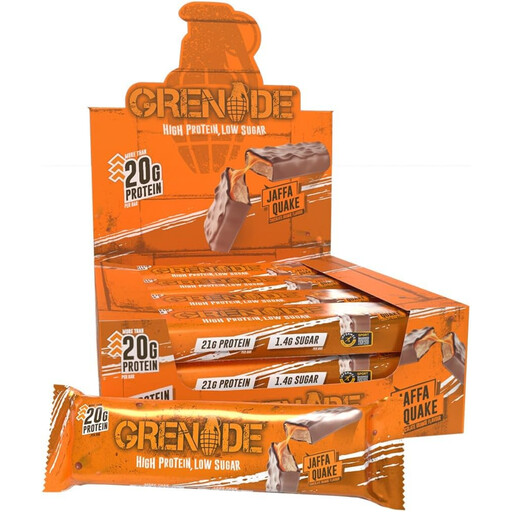
Grenade Jaffa Quake Protein Bars, 12 × 60 g
Consider this twelve-bar pack if you prefer a chocolate-and-orange-style flavour for a post-gym snack. Compare the current whole-bar nutrition panel and check polyols and allergens before deciding whether it fits your needs.
View on Joybuy
 No image available
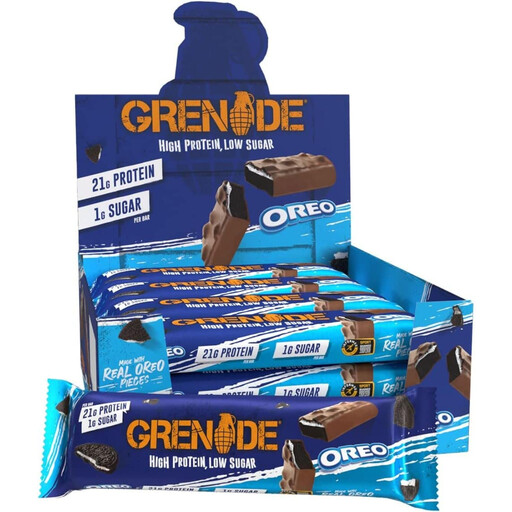
Grenade Oreo Low Sugar Protein Bars, 12 × 60 g
This twelve-bar Oreo option differs from the four-bar pack above in pack size. Check the current pack for its sugars figure before comparing the two, as the figures stated for this variant differ, and review its ingredients and allergens.
View on Joybuy
Questions about post-gym chocolate bars
Does “no added sugar” mean a chocolate bar is sugar-free?
No. The sugar-free claim condition published on legislation.gov.uk is no more than 0.5 g sugars per 100 g or 100 ml; a product with no added sugar can still contain sugars. Check its per-100 g nutrition figures.
Do I need a low-sugar protein bar after every gym session?
Not necessarily. The British Dietetic Association explains that carbohydrate needs depend on training demands, and that ordinary eating can meet the needs of a general fitness programme. Consider your session and next meal before deciding whether the convenience of a bar matters to you.
Why do some lower-sugar bars carry a laxative-effect warning?
Some contain added polyols. GOV.UK says foods with more than 10% added polyols must carry an excessive-consumption laxative-effect warning. Read the ingredients and pack advice, particularly if you plan to eat the bar close to exercise or travel.
What should I check when ordering a chocolate protein bar online?
Check the current nutrition information for the whole bar, its ingredients, allergens, net weight and any warnings. Those details help you distinguish a protein-focused snack from a chocolate treat and check whether its sugar claim meets your requirement.


