Shoppers who require sugar-free
Look for an explicit sugar-free claim, then check the sugars figure per 100g on the current pack. Do not substitute a no-added-sugar claim without checking the product.


If sugar-free is a firm requirement, choose a chocolate biscuit with an explicit sugar-free claim and check the sugars figure on its current pack. A no-added-sugar biscuit is a different option, while a conventional biscuit in a smaller portion only fits if sugar-free is a preference rather than a requirement. Whichever route you take, compare the portion you expect to eat, saturated fat, ingredients and allergens.
The deciding question is whether sugar-free is essential or whether you are comparing other kinds of chocolate-biscuit snack.
Look for an explicit sugar-free claim, then check the sugars figure per 100g on the current pack. Do not substitute a no-added-sugar claim without checking the product.
A no-added-sugar biscuit may be worth comparing if you do not require sugar-free. Check energy and saturated fat as well as the amount you would eat for a late-night snack.
Read the full ingredient list and allergen statements, including any information about sweeteners. A sugar-related claim does not tell you whether a biscuit fits other dietary requirements.
Start with the exact sugar claim if it is a requirement. Then compare nutrition on the same per-100g basis and consider the portion you would actually eat.
| Priority | What to check | Your needs |
|---|---|---|
| Sugar claim | Check whether the pack says sugar-free or no added sugar. Read the sugars figure per 100g rather than treating the claims as interchangeable. | If I require sugar-free, a no-added-sugar label alone does not settle the choice. |
| Energy and saturates | Compare energy and saturated fat per 100g across biscuits. The NHS describes more than 5g saturated fat per 100g as high; Gullón lists 7.0g per 100g for its Dark Choc Digestive Zero Sugar Free. | I want to judge the whole chocolate biscuit, not assume its sugar claim also describes its energy or saturated fat. |
| Portion | Check the pack size, any per-biscuit figures and how the stated serving compares with the amount you expect to eat. | For a midnight snack, I would rather compare the amount I might eat than rely on a serving figure that does not match it. |
| Ingredients | Read the ingredients, highlighted allergens and any sweetener warning on the current pack. The Holland & Barrett listing for Diablo Cookies & Cream names maltitols, wheat, milk-derived whey and soya lecithin, and carries an excessive-consumption laxative-effect warning. | I need to know whether the ingredients and allergen statements fit my requirements before choosing a biscuit for its sugar claim. |
These are different claims. A no-added-sugar label by itself does not tell you that the biscuit meets a strict sugar-free requirement.
Check the exact claim and sugars per 100g on the current pack before choosing it for that requirement.
Chocolate, coating and other ingredients still matter to the nutrition comparison. Gullón states 7.0g saturated fat per 100g for its Dark Choc Digestive Zero Sugar Free.
Compare energy and saturated fat per 100g, then relate the figures to the portion you expect to eat.
The Holland & Barrett listing for Diablo Cookies & Cream includes maltitols, wheat, whey and soya lecithin, alongside an excessive-consumption laxative-effect warning.
Read the current pack's ingredients, allergen statements and warnings rather than relying on its front-of-pack sugar wording.
These examples illustrate different sugar claims and portion information; the details refer to the named products, not every biscuit from each brand.
Gullón presents Dark Choc Digestive Zero Sugar Free as a dark-chocolate-covered biscuit with sweetener and a sugar-free claim.
The Cookies & Cream Dark Chocolate biscuit listed by Tesco Groceries is described as no added sugar, rather than established here as sugar-free.
Club Orange is a conventional chocolate-biscuit option when a defined individual portion matters more than a sugar-free claim.
These options include a biscuit labelled Zero Sugar, one explicitly labelled No Added Sugar and other chocolate-biscuit varieties. Check each current pack against your own sugar requirement; the wording of one product name does not establish the claim or nutrition of another.
 No image available
A sandwich-cookie option labelled Zero Sugar in a 97g pack. If sugar-free is essential, check the sugars per 100g and full ingredients on the current pack.
 No image available
A 210g Cookies and Cream option labelled No Added Sugar. If you require sugar-free rather than no added sugar, check the current sugars figure per 100g; also read the ingredients and sweetener information.
 No image available
A 285g dark-chocolate and ginger oatie option. Check its exact sugar claim and sugars per 100g before treating the Zero name as confirmation of a sugar-free requirement.
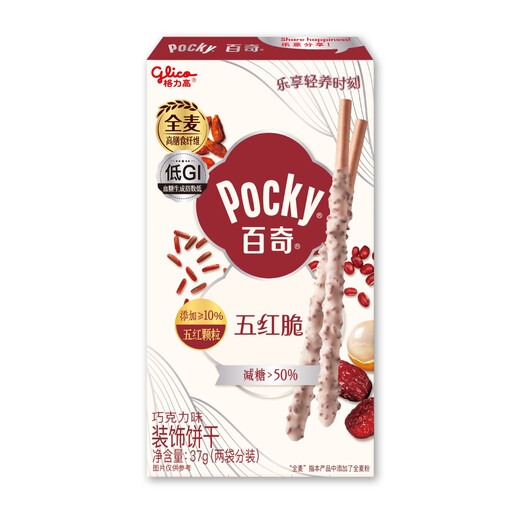 No image available
A 37g chocolate-flavoured biscuit option. Check the sugar claim, nutrition panel and ingredients on the current pack if you are choosing specifically for a sugar-free midnight snack.
No. Do not use a no-added-sugar claim alone to decide whether a biscuit meets a sugar-free requirement. Check the exact claim and sugars per 100g on the current pack.
Compare energy, sugars, saturated fat and salt per 100g, then check how much you expect to eat. The NHS explains that nutrition labels provide these figures; a stated serving may differ from your intended portion.
No. The NHS notes that lower- or no-calorie sweeteners do not necessarily make the food as a whole healthy. Check the complete nutrition panel, ingredients and any sweetener warning alongside the sugar claim.