Shoppers looking for sugar-free chocolate
If you want a chocolate treat specifically labelled sugar-free, do not treat “no added sugar” or “low sugar” as an equivalent claim. Check the sweetener, polyol warning and allergen statement on the pack.


Choose a bar explicitly labelled sugar-free if that exact claim matters to you, and check its sweeteners, polyol warning and allergens. A no-added-sugar chocolate bar can still contain sugars; if declared protein and fibre matter more than buying conventional chocolate, compare a low-sugar protein bar instead. Neither alternative should be assumed to be sugar-free.
If you want a chocolate treat specifically labelled sugar-free, do not treat “no added sugar” or “low sugar” as an equivalent claim. Check the sweetener, polyol warning and allergen statement on the pack.
If you want declared protein and fibre alongside a chocolate flavour, a protein bar is another product type to compare. Read its per-bar nutrition rather than assuming it meets a sugar-free chocolate requirement.
A sugar-free claim does not describe a bar’s total carbohydrate or polyol content. Diabetes UK notes that polyols contain carbohydrate and calories; people adjusting insulin should seek individual advice from their healthcare team.
Start with the exact sugar claim, then compare the nutrition, sweeteners and allergens for the portion you plan to carry.
| Priority | What to check | Your needs |
|---|---|---|
| Sugar claim | Read the exact front-of-pack wording and sugars per 100 g and per bar. Tesco lists Free'ist No Added Sugar Milk Chocolate at 7.7 g sugars per 100 g; TREK Choc Caramel lists 1.8 g per 44 g bar. | If I specifically want sugar-free chocolate, a no-added-sugar or low-sugar claim does not answer that requirement. |
| Sweeteners | Check ingredients for polyols and read any pack warning. Tesco lists maltitol in Diablo Sugar Free Dark Chocolate and 39.0 g polyols per 100 g in Free'ist. | For a bar I might take to work or on a journey, I want to know which sweeteners it contains before choosing a portion. |
| Snack type | Compare protein and fibre per bar if those figures matter. Tesco lists 12 g protein and 12 g fibre per 44 g TREK Choc Caramel bar; it is a protein bar, not sugar-free chocolate. | When lunch is delayed, I may want a snack with declared protein and fibre rather than a chocolate treat alone. |
| Allergens | Read the current ingredients and may-contain statement for the exact variant. The researched Diablo bar contains milk and soya; the researched TREK bar contains soya and peanuts. | I need the allergen information for the bar I will actually buy, regardless of its sugar claim. |
Those claims describe different things. Tesco lists 7.7 g sugars per 100 g for Free'ist No Added Sugar Milk Chocolate.
Match the precise claim to your requirement, then check sugars per 100 g and per portion.
Polyols are relevant even when a bar has little or no added sugar. GOV.UK guidance describes a laxative-effect warning for foods containing more than 10% added polyols.
Check the sweetener ingredients and follow any warning on the current pack, particularly if you expect to eat the bar regularly.
A sugar-free claim says nothing about whether a chocolate bar meets your needs for a meal. A protein bar is a different snack, even when it has declared protein and fibre.
If lunch will be delayed, compare the per-bar nutrition and plan other food according to what you need from that meal.
The sugar claim does not remove milk, soya, peanuts or possible cross-contact allergens from a product.
Read the ingredients and may-contain statement on the current pack of the exact bar and flavour.
These examples illustrate different label claims and product types; check the details of the particular bar before choosing.
Tesco lists Diablo Sugar Free Dark Chocolate as an 85 g chocolate bar explicitly labelled sugar-free.
Free'ist No Added Sugar Milk Chocolate is an example for shoppers who want that claim and a milk-chocolate format.
TREK Choc Caramel is a chocolate-flavour protein-bar alternative, not a conventional sugar-free chocolate bar.
Tesco lists an 85 g Cadbury Dairy Milk bar labelled 30% Less Sugar. That is a reduced-sugar comparison, not a sugar-free claim.
These Grenade multipacks are low-sugar protein-bar options for a portable chocolate-flavour snack. They are not substitutes for a chocolate bar that must be explicitly labelled sugar-free.
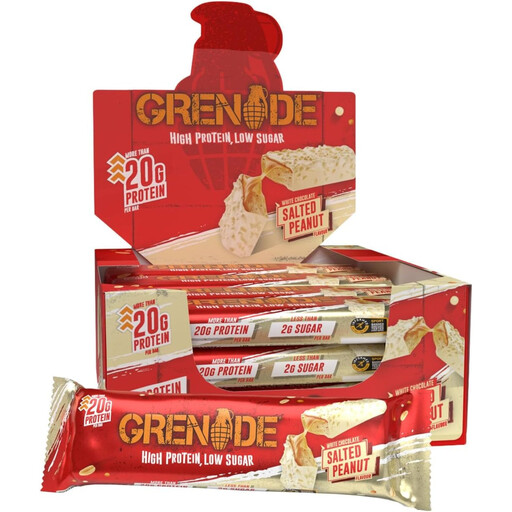 No image available
A low-sugar protein-bar option for carrying a chocolate-flavour snack when an explicitly sugar-free chocolate bar is not essential. Check the current pack’s sugars, polyols and peanut and other allergen information.
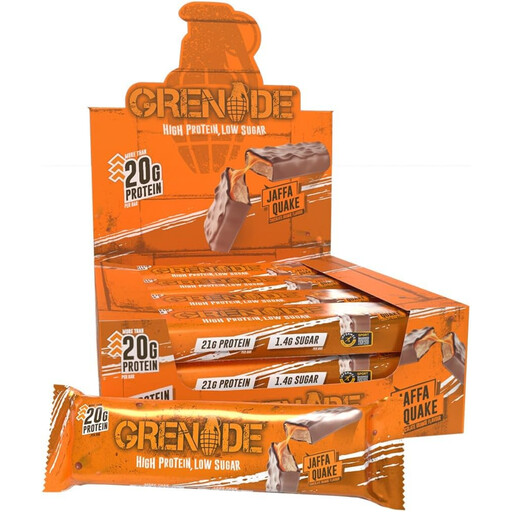 No image available
This Jaffa Quake multipack is a low-sugar protein-bar option rather than sugar-free chocolate. Compare the current pack’s per-bar nutrition, polyol information and allergens with your requirements.
No image available
This four-bar pack offers a smaller multipack of the low-sugar protein-bar type. It is not labelled sugar-free; check the current pack’s sugars, polyols and milk, gluten and soya allergen information.
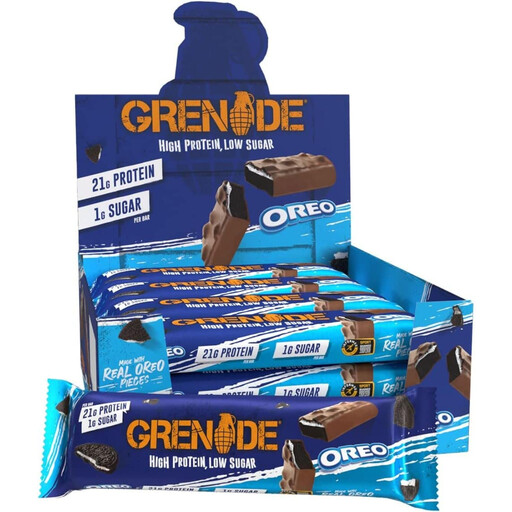 No image available
This 12-bar Oreo variant is a low-sugar protein-bar option, not sugar-free chocolate. Its product description gives conflicting sugars-per-bar figures, so confirm the figure on the current pack before choosing it; check polyols and allergens too.
No. Tesco lists 7.7 g sugars per 100 g for Free'ist No Added Sugar Milk Chocolate. Check both the exact claim and the nutrition panel of the bar you intend to buy.
It may contain polyols. GOV.UK guidance says foods with more than 10% added polyols require a warning that excessive consumption may cause a laxative effect; read the warning and ingredients on the current pack.
A sugar-free claim alone does not establish that a chocolate bar meets your needs for lunch. If you are choosing a portable snack while a meal is delayed, compare per-bar protein and fibre as well as sugars; even a protein bar is not automatically a complete meal.
No. Check the nutrition panel, portion size and polyols as well as sugars. Diabetes UK notes that polyols contain carbohydrate and calories and advises people adjusting insulin to seek individual guidance from their healthcare team.
No. The researched Diablo bar contains milk and soya and may contain peanuts, tree nuts and sesame. Read the current ingredients and may-contain statement for the exact product.