Choose a bar that meets the sugar-free claim criterion if that is your requirement: legislation.gov.uk gives the limit as 0.5g sugars per 100g, and Deliciously Guilt Free lists 0.3g per 100g for its 70% Dark Chocolate bar. If avoiding added sugar is enough, a no-added-sugar milk chocolate may suit your preference, but the Sainsbury’s and Free’ist examples still list 9.0g and 7.7g sugars per 100g respectively. For a snack that lasts through the football, compare the portion, ingredients, allergens and any polyol warning as well as the sugar claim.
Who is each option for?
Shoppers seeking sugar-free chocolate
If sugar-free is the requirement, compare sugars per 100g with the 0.5g claim criterion published on legislation.gov.uk. Deliciously Guilt Free lists 0.3g per 100g for its 70% Dark Chocolate bar; the no-added-sugar milk chocolate examples from Sainsbury’s and Free’ist exceed that figure.
Milk chocolate shoppers avoiding added sugar
If you prefer milk chocolate and want to avoid added sugar, check the sugars and polyols on the nutrition panel. The Sainsbury’s and Free’ist no-added-sugar bars both list sugars and carry warnings about excessive consumption.
Viewers choosing a protein-bar snack
A chocolate-flavoured protein bar is a different snack from a conventional chocolate bar. If that format appeals for watching the match, check its sugars per 100g rather than assuming its protein or low-sugar wording means sugar-free, and read the allergen label.
What should you check before choosing?
Start with the type of sugar claim, then compare the portion and ingredients of the exact bar you intend to eat.
| Priority |
What to check |
Your needs |
| Sugar claim |
Read the claim and sugars per 100g together. Legislation.gov.uk gives 0.5g sugars per 100g as the sugar-free claim limit; no-added-sugar wording has a different meaning. |
If I specifically want sugar-free chocolate, a no-added-sugar label on its own is not enough. Sainsbury’s lists 9.0g sugars per 100g for its no-added-sugar milk bar, while Tesco lists 7.7g per 100g for Free’ist. |
| Portion |
Compare the stated serving with the amount you plan to eat. Read energy and saturated fat per serving alongside sugars per 100g. |
I may eat more than one serving while watching the match, so I want to know what portion the pack’s figures describe. |
| Sweeteners |
Check the ingredients, the listed polyols and any warning about excessive consumption. Sainsbury’s and Tesco list 43.1g and 39.0g polyols per 100g for their respective no-added-sugar bars. |
For a snack during a long match, I want to read the serving guidance and laxative-effect warning before eating a large portion. |
| Allergens |
Read the current pack’s allergen declaration and any cross-contact statement for the exact variant. Check these again if snacks will be shared. |
Someone eating with me may need to avoid an ingredient or a cross-contact risk, regardless of the bar’s sugar claim. |
What is easy to overlook?
-
Reading “no added sugar” as “sugar-free”
The terms describe different things. The no-added-sugar milk bars listed by Sainsbury’s and Tesco contain 9.0g and 7.7g sugars per 100g respectively, above the 0.5g-per-100g sugar-free claim criterion published on legislation.gov.uk.
If sugar-free is essential to your choice, check the sugars-per-100g figure rather than relying on the front-of-pack phrase.
-
Treating a large sweetened bar as one serving
The checked Sainsbury’s and Free’ist no-added-sugar bars list polyols and warn that excessive consumption may produce laxative effects. That warning matters if you plan to snack throughout a match.
Read the warning and serving information, particularly before eating an unfamiliar bar in a large portion.
-
Using the sugar claim to judge the whole portion
A sugar-related label does not tell you the energy or saturated fat in the amount you intend to eat.
Compare those figures per serving, and check how many servings are in the bar.
-
Assuming a familiar brand has a sugar-free variant
The Galaxy Milk bar listed by Waitrose & Partners has 54g sugars per 100g. A brand name or familiar wrapper cannot establish whether a particular variant meets your sugar-free requirement.
Check the exact bar’s current claim and nutrition panel before choosing it.
Which brands illustrate the choices?
These brand references concern specific bars and label information, not every product made by each brand.
Deliciously Guilt Free
A dark chocolate example for a strict sugar-free comparison.
- The manufacturer lists 0.3g sugars per 100g for its 70% Dark Chocolate bar.
- Its ingredient list includes erythritol and steviol glycosides; check the current pack for ingredients relevant to you.
Sainsbury’s
An own-label no-added-sugar milk chocolate example, rather than a sugar-free one.
- Its 100g No Added Sugar Milk Chocolate Bar lists 9.0g sugars per 100g.
- It also lists 43.1g polyols per 100g and warns about excessive consumption.
Free’ist
A 70g no-added-sugar milk chocolate example for shoppers who prefer that format.
- Tesco lists 7.7g sugars per 100g for this bar.
- Tesco also lists 39.0g polyols per 100g and a warning about excessive consumption.
FULFIL
A chocolate-flavoured protein-bar alternative, not a conventional sugar-free chocolate bar.
- Tesco lists 20g protein for the Chocolate Salted Caramel 55g bar.
- The same listing gives 1.7g sugars per bar, so it should not be treated as sugar-free.
Galaxy
A conventional milk chocolate comparison when a sugar-free claim is not required.
- The Galaxy Milk listing at Waitrose & Partners provides a reference for comparing a familiar milk chocolate with differently labelled bars.
- That listing gives 54g sugars per 100g; this bar does not fit a strict sugar-free choice.
Protein-bar options on Joybuy
These Grenade packs are chocolate-flavoured protein-bar options for a match-night snack. They are not substitutes for choosing a conventional chocolate bar that meets a strict sugar-free requirement; check the sugar figure and ingredients on each current pack.
 No image available
Grenade Oreo Flavour Protein Bars, 4 x 60g
A four-bar pack for choosing a protein-bar snack during the football rather than a conventional chocolate bar. Check sugars per 100g, polyols and allergens on the current pack if those affect your choice.
View on Joybuy
 No image available
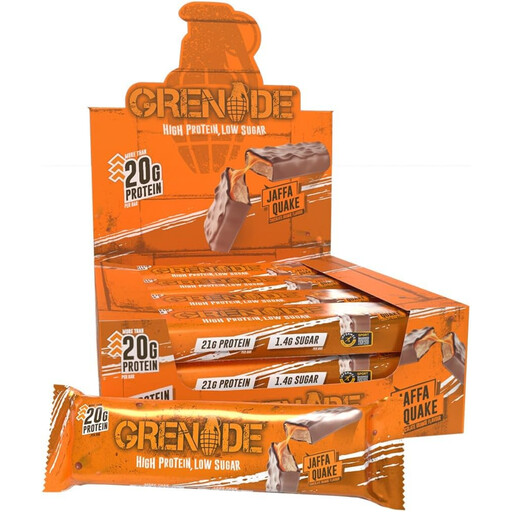
Grenade Jaffa Quake Protein Bars, 12 x 60g
A twelve-bar pack in the Jaffa Quake variant for a protein-bar snack. If you need sugar-free chocolate, compare the current sugars-per-100g figure with the sugar-free claim criterion before choosing it.
View on Joybuy
 No image available
Grenade Soft Core Double Chocolate Protein Bars, 12 x 50g
This Soft Core pack contains twelve 50g bars, a different portion size from the 60g Grenade packs shown here. Compare nutrition figures using the same per-100g or per-bar basis, and read the current allergen label.
View on Joybuy
 No image available
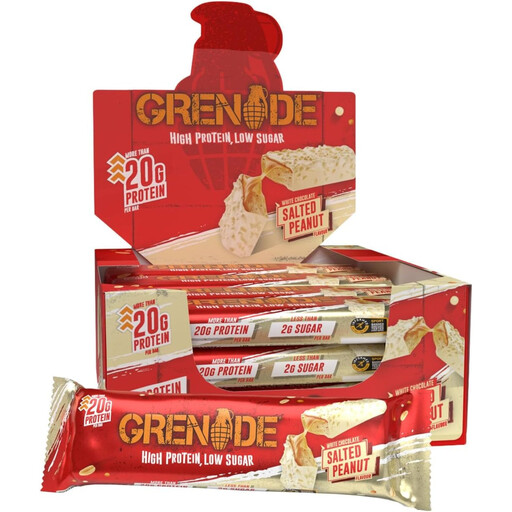
Grenade White Chocolate Salted Peanut Flavour Protein Bars, 12 x 60g
A twelve-bar protein-bar pack in White Chocolate Salted Peanut Flavour. Check the current ingredient and allergen declarations before sharing it, particularly where peanuts are a concern; the flavour name alone is not an allergen declaration.
View on Joybuy
Questions about sugar claims and labels
Does “no added sugar” mean a chocolate bar is sugar-free?
No. The sugar-free claim criterion published on legislation.gov.uk is no more than 0.5g sugars per 100g for food, while no-added-sugar wording addresses what has been added. The no-added-sugar milk bars listed by Sainsbury’s and Tesco still contain 9.0g and 7.7g sugars per 100g respectively.
Does a sugar-related claim tell me how much energy is in a bar?
No. Check the energy figure and stated serving size separately from the sugars figure. If you expect to eat several servings while watching the football, compare the figures for the amount you intend to eat.
Why do some no-added-sugar bars have a laxative-effect warning?
The Sainsbury’s and Free’ist examples list polyols and warn that excessive consumption may produce laxative effects. Read the warning and serving information before treating a large bar as a single match-night portion.
Should I check allergens on a reduced-sugar chocolate bar?
Yes. A sugar claim does not describe the bar’s allergens. Check the current label of the exact variant, including any cross-contact statement, before eating or sharing it.


