Choose a bar labelled sugar-free when reducing sugars is the priority, after checking its sweeteners, allergens and intended portion. A no-added-sugar bar can still contain sugars, while a small conventional bar offers a defined portion without meeting a sugar-free requirement. For food supplied under England’s school-food requirements, do not assume that sugar-free chocolate is an acceptable snack.
Who is choosing the snacks?
Parents comparing sugar claims
If reducing sugars matters for a family snack, compare sugar-free, no-added-sugar and conventional bars by their actual sugars figures and portions. Check sweeteners, saturated fat and allergens as separate label details.
Families checking ingredients and allergens
Polyols and allergen declarations can change which bar is suitable for a household. Read the exact pack, including any precautionary warnings, rather than relying on the claim on the front.
People supplying food at schools in England
Food supplied under English school-food requirements is a different decision from a private family snack. The School Food Regulations define chocolate in any form as confectionery, and the Department for Education’s school-food standards specify the permitted snack types.
What should you check before choosing?
Start with the purpose of the snack: a sugar-free claim, no added sugar and a defined conventional portion answer different needs. Then compare the nutrition and ingredient information on the same basis.
Sugar-free chocolate
Consider it when: reducing sugars is the deciding requirement and the exact bar carries a sugar-free claim.
Keep in mind: the claim says nothing by itself about saturated fat, allergens or how much sweetened chocolate will be eaten.
No-added-sugar chocolate
Consider it when: avoiding added sugars is the aim, rather than requiring a sugar-free bar.
Keep in mind: the finished bar may still contain sugars and polyols.
Conventional chocolate portion
Consider it when: a separately portioned conventional treat suits the occasion and a sugar-reduction claim is not needed.
Keep in mind: a smaller bar is still sugar-containing chocolate; its sugars and allergens need checking.
| Priority | What to check | Your needs |
|---|
| Sugar claim |
Read the exact claim and sugars per 100g, then per portion. The UK sugar-free claim threshold is no more than 0.5g sugars per 100g or 100ml, as set out in the nutrition-claims annex published by legislation.gov.uk; no added sugar is a different claim. |
If I am specifically looking to reduce sugars, I need the bar’s sugars figure, not just reassuring wording on the front. Sainsbury’s lists 9.0g sugars per 100g for its No Added Sugar Milk Chocolate Bar. |
| Sweeteners |
Read the ingredients for sweeteners and follow any excessive-consumption warning. Sainsbury’s lists 43.1g polyols per 100g for its No Added Sugar Milk Chocolate Bar and carries a laxative-effect warning. |
Several servings could be eaten across a holiday day, so I want to know what sweeteners the bar uses and what its warning says. |
| Portion and nutrition |
Use per-100g figures to compare labels, then check the stated portion and its sugars, saturated fat and energy. For a conventional example, Galaxy lists 23g sugars and 8.3g saturated fat per 42g Milk Chocolate bar. |
I want to know the amount that will actually be eaten, not mistake a smaller bar or a reduced-sugar claim for the whole nutritional picture. |
| Allergens and setting |
Check the current pack’s ingredients and allergen warnings. If food is supplied under England’s school-food requirements, check the provider’s snack choices: the School Food Regulations include chocolate in confectionery, while Department for Education standards specify non-chocolate snack types. |
For a child with a declared allergy, I need the exact product label. If I am supplying snacks through a school in England, I also need to keep that decision separate from a private family treat. |
Common label mistakes
-
Reading “no added sugar” as “sugar-free”
The claims are different: Sainsbury’s No Added Sugar Milk Chocolate Bar lists 9.0g sugars per 100g, above the sugar-free claim threshold of 0.5g per 100g set out in the nutrition-claims annex published by legislation.gov.uk.
Read the precise claim and the sugars figures per 100g and per portion before choosing a bar for a sugar-free requirement.
-
Overlooking polyols
Sainsbury’s lists 43.1g polyols per 100g for its No Added Sugar Milk Chocolate Bar and warns that excessive consumption may produce laxative effects.
Check the ingredients, portion and any pack warning, particularly if more than one serving might be eaten.
-
Comparing sugar without comparing portions
Figures per 100g describe the same weight of each product; figures per bar describe what is in that particular bar. Different bar sizes can make those numbers answer different questions.
Compare per 100g first, then check the sugars, saturated fat and energy for the portion likely to be eaten.
-
Assuming sugar-free chocolate meets English school-food rules
The School Food Regulations in England define confectionery to include chocolate in any form. The Department for Education’s school-food standards specify permitted non-chocolate snacks for food supplied under those requirements.
For a school-supplied snack in England, check the school or caterer’s approved choices rather than treating a sugar-free claim as permission to serve chocolate. Check the relevant rules and provider policy for other settings.
Brand and product-line references
These named products illustrate conventional chocolate labels; a brand name alone does not establish that another bar is sugar-free or suitable for a particular child.
Cadbury
Cadbury identifies Dairy Milk as a 110g milk-chocolate bar.
- The named Dairy Milk bar gives a pack size for a conventional-chocolate comparison.
- Check the exact product’s claim and nutrition label if sugar-free status matters; do not infer it from the brand.
Galaxy
Galaxy Milk Chocolate is a conventional 42g bar.
- Galaxy lists 23g sugars and 8.3g saturated fat per 42g bar, making the stated portion clear.
- That specific bar is not a sugar-free substitute.
Mars
Mars Duo is a conventional caramel-and-chocolate bar with a stated 34.5g portion.
- Mars lists 21g sugars per 34.5g portion of the Duo bar.
- The product warns that it may contain peanuts and other nuts; splitting the bar does not make it sugar-free.
Snickers
The named 40g Snickers Chocolate Bar is a peanut-containing conventional option.
- Snickers lists 20g sugars per 40g bar.
- Its ingredient list includes peanuts, milk, soya and egg white; check the exact pack’s allergen statement.
KitKat
KitKat 2 Finger Milk Chocolate is an individually sized conventional bar.
- KitKat states a 20.7g bar and lists 10.2g total sugars for that named product.
- The bar still contains sugars; check the current pack and its ingredients when selecting a specific variant.
Conventional chocolate options on Joybuy
These bars and multipacks are options for choosing a conventional chocolate treat during the school holidays, not sugar-free or no-added-sugar alternatives. Check the current pack for nutrition per portion and allergens before choosing for a child.
 No image available
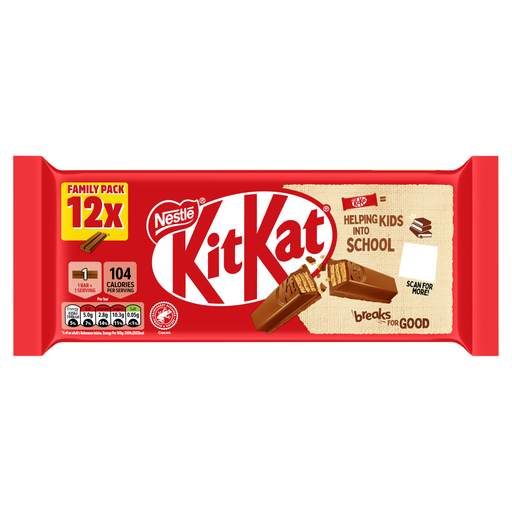
KitKat 2 Finger Milk, 12 × 20.7g
The individually sized bars make a conventional portion easy to identify. Joybuy’s listing for this multipack states 10.3g sugars per 20.7g bar; it is not a sugar-free option. Check the current pack for allergens.
View on Joybuy
 No image available
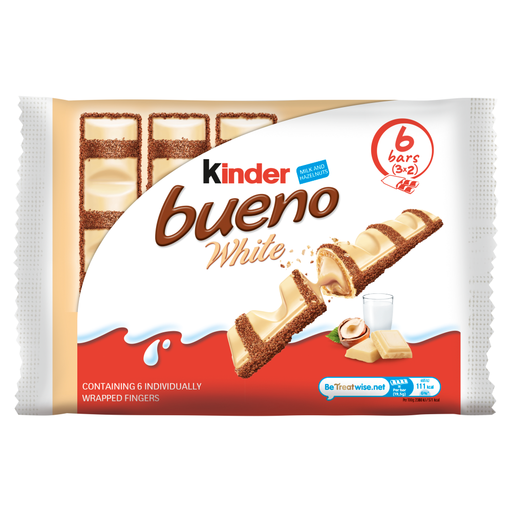
Kinder Bueno White 3 Pack, 117g
A three-pack of conventional chocolate bars for comparing separate portions. Check the current pack for sugars per bar and allergen information if either affects your choice.
View on Joybuy
 No image available
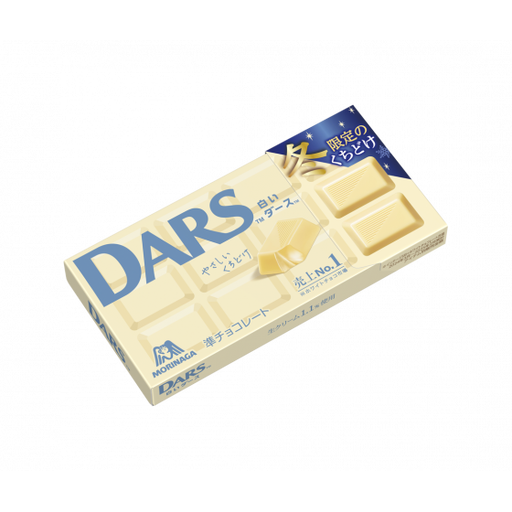
Morinaga Dars White Chocolate, 47g
This 47g pack is a conventional white-chocolate option. Compare its current sugars and saturated-fat figures with other bars on a per-100g basis, then check the amount intended to be eaten.
View on Joybuy
 No image available
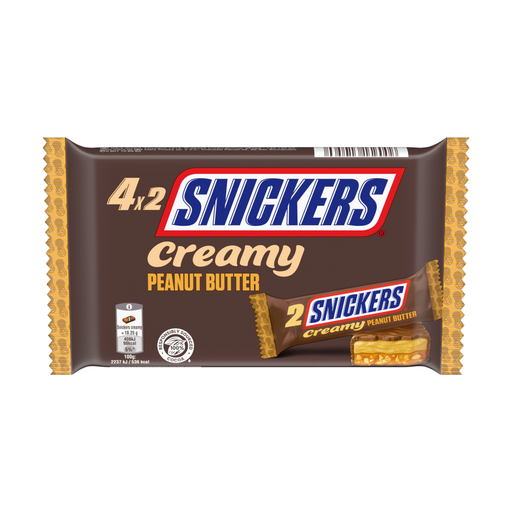
Snickers Creamy Peanut Butter, 4-pack
This is a conventional chocolate-bar multipack, not a sugar-free choice. Check the exact pack for nutrition per bar and its allergen declaration; do not substitute the figures for a different Snickers bar.
View on Joybuy
Questions about chocolate snack choices
Is “no added sugar” the same as “sugar-free” on a chocolate bar?
No. The UK sugar-free claim threshold is no more than 0.5g sugars per 100g or 100ml, as stated in the nutrition-claims annex published by legislation.gov.uk. A no-added-sugar bar can still contain sugars: Sainsbury’s lists 9.0g per 100g for its No Added Sugar Milk Chocolate Bar.
Does a sugar-free claim tell me everything I need to know about a holiday snack?
No. The claim concerns sugars, not the whole nutrition panel or allergen statement. Compare sugars, saturated fat and energy per 100g and per intended portion, and check the ingredients for sweeteners and allergens.
Why does some no-added-sugar chocolate carry an excessive-consumption warning?
Some bars contain polyols. Sainsbury’s No Added Sugar Milk Chocolate Bar lists 43.1g polyols per 100g and warns that excessive consumption may produce laxative effects. Read the warning alongside the intended portion, particularly if the bar may be eaten more than once in a day.
Can a school in England supply sugar-free chocolate as a snack?
Do not assume it can be supplied under English school-food requirements. The School Food Regulations define confectionery to include chocolate in any form, and the Department for Education’s school-food standards specify permitted non-chocolate snacks. This concerns food supplied under those requirements; check the relevant school policy separately for parent-provided food.


