
24/7 Customer Support

Free returns

Same-day & Next-day Delivery

Quality Guaranteed

Unlock Your Welcome Offers: FREE Delivery | Up to 80% OFF | Free 30-day JoyPlus trial
Download the APP
Buying sugar-free cola multipacks can reduce the number of supermarket trips, but a low shelf price does not always mean good value. Pack counts, can sizes, caffeine content and storage requirements can make a noticeable difference to the cost and convenience of your purchase.
Whether you are stocking a family kitchen, office, event cupboard or party fridge, compare the details rather than relying on front-of-pack wording. Here are the main buying pitfalls and the specifications worth checking before ordering.
An 8-pack of 330ml cans contains 2.64 litres, while a 12-pack contains 3.96 litres and an 18-pack contains 5.94 litres. A larger-looking pack may still offer less drink if it contains smaller cans.
For a fair comparison, calculate the total volume and, where possible, the price per litre. This is particularly useful when comparing Coca-Cola Zero Sugar cans, a Diet Coke multipack and Pepsi Diet multipack options.
Most standard diet cola cans contain caffeine. For example, the listed Coca-Cola Zero Sugar and Diet Coke products include caffeine in their ingredients. If you are buying drinks for evening use, children or anyone avoiding caffeine, check for clearly labelled options such as caffeine-free Diet Coke.
Caffeine-free products can have a similar appearance to standard versions, so always read the product title, ingredients and packaging rather than relying only on the brand colour.
“Zero sugar” describes the sugar content, not every ingredient or dietary consideration. Several products listed here contain sweeteners, including aspartame, and carry a source-of-phenylalanine notice. Anyone with a relevant dietary condition should check the label carefully.
A zero-calorie cola can still be a carbonated soft drink rather than a replacement for water or a balanced diet. Consider how often you plan to drink it and whether the chosen format suits your household.
330ml cola cans are easy to portion, chill quickly and distribute at gatherings. They are practical for offices, lunch breaks and parties because each person receives a sealed serving. Smaller 250ml cans may suit occasional drinkers or households wanting more controlled portions.
2 litre cola bottles generally offer more drink per container and can work well for family meals or parties. However, they require refrigeration after opening and may lose carbonation more quickly than unopened cans. They also need a suitable fridge shelf and careful pouring.
Check both the number of units and the external dimensions of the pack. A 24-can case or a double multipack may offer a convenient reserve, but it can be heavy to move and requires dry cupboard or garage storage.
Keep unopened drinks in a cool, dry place away from direct sunlight, following the packaging instructions. Do not freeze sealed carbonated bottles, as expansion can damage the container.
If dietary suitability matters, review the current label for:
Many listed products are described as suitable for vegans and vegetarians, but packaging can change. Always check the label supplied with your order before consumption.
The following selections match different household requirements. They are based on pack size, format, caffeine information and the practical details supplied for each product.
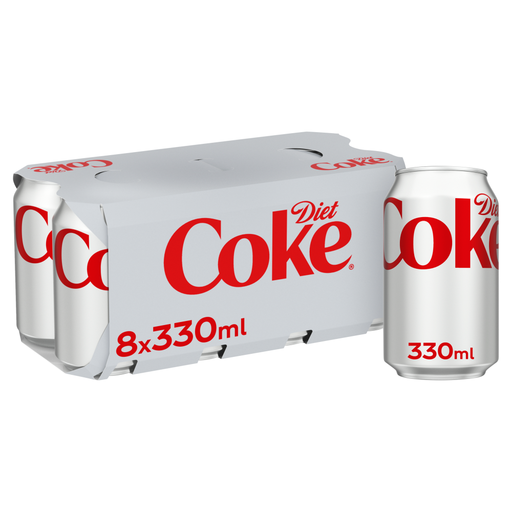
Why This Fits Their Persona: Eight individually portioned 330ml cans provide a manageable entry pack for smaller households, flat shares and shoppers who do not want to store a large case.
The 330ml unit size makes the total volume clear, avoiding confusion between can count and actual quantity. It contains caffeine, so the label should be checked before buying for evening use.
330ml cans; no sugar and no calories listed per can; suitable for vegans and vegetarians according to the supplied product information.
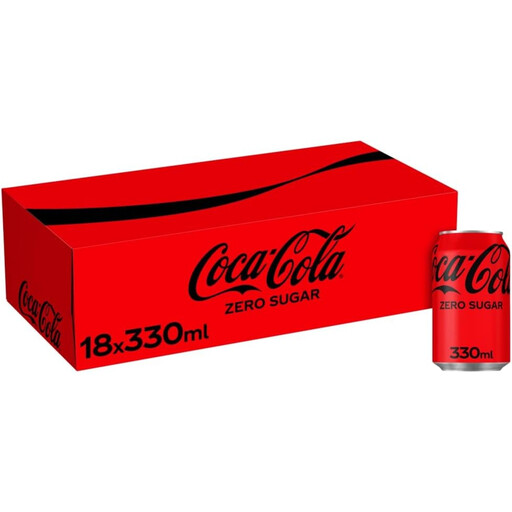
Why This Fits Their Persona: This larger can multipack suits shoppers who prefer a familiar cola profile and want a regular supply for meals, guests or a home drinks cupboard.
The 18-can count and 330ml size are stated together, making the supply easier to compare with other cases. It is not caffeine-free, which is clearly reflected in the ingredient information.
18 x 330ml format; 1 kcal per 330ml serving in the supplied nutrition information; suitable for vegans and vegetarians.
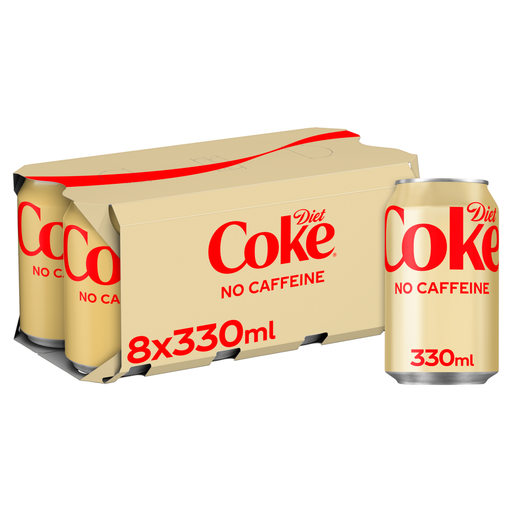
Why This Fits Their Persona: The caffeine-free formula is suited to evening meals, film nights and households where caffeine avoidance is an important purchasing condition.
The product name specifically identifies the caffeine-free format, helping prevent the common mistake of buying standard diet cola for late-day use.
Eight 330ml cans; no sugar and low energy values listed; ingredients do not list caffeine.
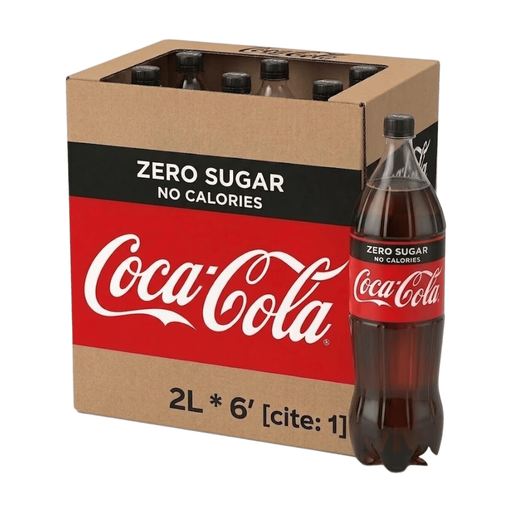
Why This Fits Their Persona: Six 2-litre bottles provide 12 litres in total, making this format suitable for parties, BBQs, shared family meals and larger household demand.
The total six-bottle format is clear, avoiding the mistake of treating a single large bottle as equivalent to a multipack. Plan fridge space before ordering.
Six 2-litre bottles; zero sugar and zero energy listed per 100ml; designed for shared serving.
We have compiled a complete, real-time list of products that fully satisfy these strict selection criteria and UK safety regulations.
They can offer a lower price per serving, but this depends on the retailer, promotion, pack size and delivery cost. Compare total litres, not just the number of cans. An 18 x 330ml pack contains 5.94 litres, while a 24 x 330ml pack contains 7.92 litres.
Use the best-before date printed on the packaging as the main guide. Store unopened products in a cool, dry place away from sunlight and strong odours. Once opened, refrigerate bottles and consume them promptly to retain carbonation and flavour.
Caffeine-free Diet Coke removes caffeine from the formula, but it may still contain sweeteners such as aspartame and a source of phenylalanine. Read the ingredients and safety information before purchase, particularly for children, pregnancy, specific dietary conditions or known sensitivities.