Hosts with a strict sugar-free request
Look for an explicit sugar-free description on a digestive-style biscuit. A conventional chocolate-coated digestive or one described only as reduced sugar does not answer the same request.


For a strict sugar-free request, choose a biscuit explicitly labelled sugar-free rather than one labelled reduced sugar or no added sugar. Sainsbury's lists Siro Sugar Free Digestive Biscuits as a digestive-style option and Siro Oaty Sugar Free Biscuits as an oat-flake alternative. Before serving either, check the current pack for sugars, portion information, sweeteners and allergens: both contain wheat and use maltitols.
For an Easter biscuit plate, the first distinction is whether sugar-free is a firm requirement or whether a different biscuit style would also be acceptable.
Look for an explicit sugar-free description on a digestive-style biscuit. A conventional chocolate-coated digestive or one described only as reduced sugar does not answer the same request.
Read sugars alongside the energy and total carbohydrate values for the amount likely to be served. Sugar-free describes the sugar claim; it does not mean the biscuit contains no carbohydrate or energy.
Keep the current pack available when serving. Sainsbury's lists wheat and precautionary milk and soya information for both Siro sugar-free options, so the sugar claim cannot stand in for an allergen check.
Start with the wording of the sugar claim, then compare the nutrition panel for the portion you intend to put out and check the ingredients for each guest.
| Priority | What to check | Your needs |
|---|---|---|
| Sugar claim | Check that the current pack explicitly says sugar-free; read the sugars value per 100g and the ingredients too. Sainsbury's lists 0.5g sugars per 100g for each Siro sugar-free option. Its listing calls McVitie's Digestives The Light One reduced sugar and lists 8.9g sugars per 100g. | I'm serving someone who has specifically asked for sugar-free biscuits, not simply a reduced-sugar version. |
| Biscuit style | Check whether the product is named as a digestive, an oaty biscuit or another type. Sainsbury's lists Siro Sugar Free Digestive Biscuits as digestives and Siro Oaty Sugar Free Biscuits with 37% oat flakes. | A familiar digestive format matters for this biscuit plate; an oat-flake biscuit is an alternative only if my guests would welcome that change. |
| Serving information | Compare energy and total carbohydrate as well as sugars, using the same per 100g basis and then the intended portion. Sainsbury's lists 463 kcal and 73g carbohydrate per 100g for the Siro digestives, and 485 kcal and 63g carbohydrate per 100g for the Siro oaty biscuits. | I want to know what a serving contains rather than treating the words sugar-free as the whole nutrition picture. |
| Sweeteners | Read the ingredients and any consumption warning. Both Siro options use maltitols and carry a warning that excessive consumption may produce laxative effects. | Guests may take several biscuits from a sharing plate, so I want the pack and its warning available to them. |
| Allergens | Check the physical pack before serving, including precautionary statements. Sainsbury's lists wheat in both Siro options and says they may contain milk and soya. | Someone at the table avoids particular ingredients; a sugar-free label alone cannot tell me whether the biscuit meets their requirements. |
Sainsbury's describes McVitie's Digestives The Light One as reduced sugar, but lists 8.9g sugars per 100g and includes sugar and partially inverted sugar syrup in its ingredients. It is not an equivalent choice for a strict sugar-free request.
Check the exact claim on the current pack before adding a familiar-looking digestive to the Easter shop.
Sainsbury's nutrition information shows that both Siro sugar-free biscuits still contain carbohydrate and energy. Their maltitol warnings also matter when biscuits are left out for guests to help themselves.
Compare the intended serving as well as the per 100g figures, and leave the packaging where guests can read it.
Sainsbury's lists wheat in both Siro sugar-free products and says they may contain milk and soya. A sugar claim gives no answer to a guest's separate ingredient restriction.
Check the physical pack against that guest's requirements before serving; if a different free-from product is needed, assess its own label separately.
These examples clarify product claims and biscuit styles; a brand name on its own does not establish that every biscuit in its range meets a sugar-free request.
Sainsbury's lists a Sugar Free Digestive Biscuits product and a separate Oaty Sugar Free Biscuits product.
Digestives The Light One is a reduced-sugar wheatmeal biscuit, according to Sainsbury's listing, rather than a strict sugar-free option.
M&S describes conventional digestive options, including chocolate-coated biscuits.
These Joybuy options cover a named sugar-free digestive and two different biscuit styles for an Easter sharing plate. The oaties and sandwich biscuits should be considered separately from a strict sugar-free digestive request: check each current pack's claim before choosing it for that purpose.
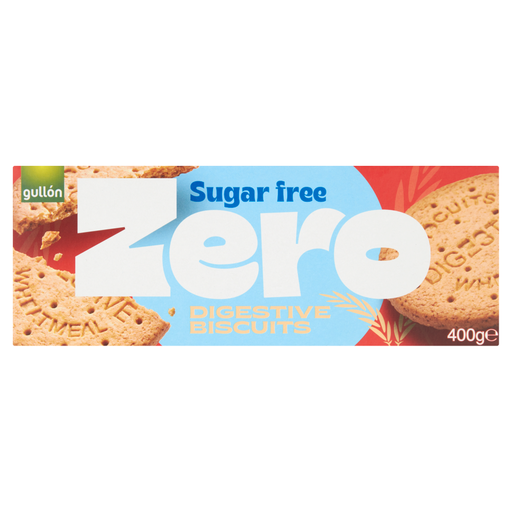 No image available
The named digestive-style option here for a strict sugar-free Easter biscuit request. Check the current pack's sweetener warning and allergen information before serving guests.
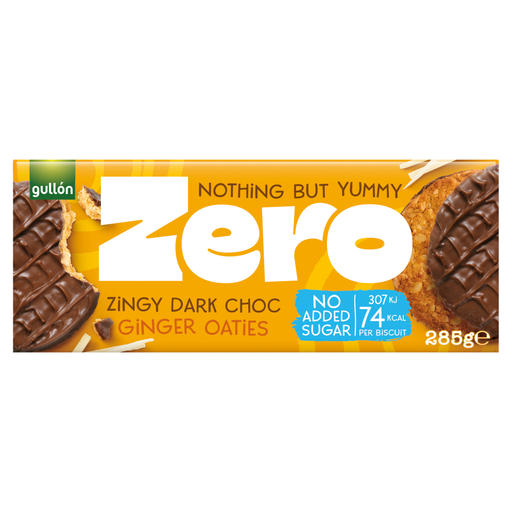 No image available
An oaty, dark-chocolate-and-ginger alternative if a digestive biscuit is not essential. Do not treat the product name as confirmation of a sugar-free claim; check the current pack's exact wording, nutrition panel and allergens.
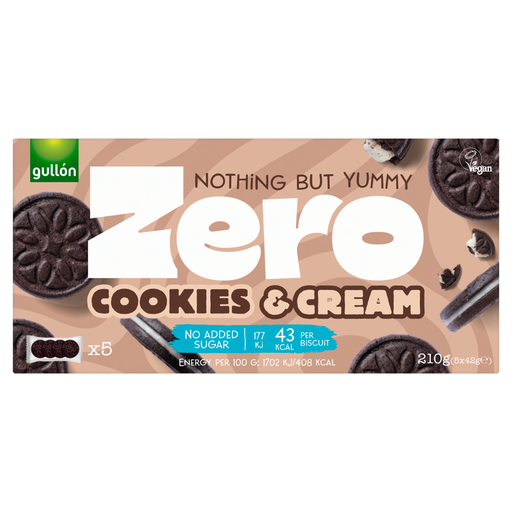 No image available
A cookies-and-cream biscuit for guests who want that style rather than a digestive. Its name says no added sugar, which is not the same claim as sugar-free; read the current pack before offering it to someone with a strict sugar-free request.
No. Sainsbury's describes McVitie's Digestives The Light One as reduced sugar, lists 8.9g sugars per 100g and includes sugar ingredients. Choose it only if reduced sugar meets the request; for a strict sugar-free request, check for that explicit claim on the product being bought.
No. Sainsbury's lists 463 kcal and 73g carbohydrate per 100g for Siro Sugar Free Digestive Biscuits, and 485 kcal and 63g carbohydrate per 100g for Siro Oaty Sugar Free Biscuits. Compare those figures for the amount you intend to serve, not just the sugars value.
Both Siro listings include maltitols and warn that excessive consumption may produce laxative effects. Keep the current pack available so guests can see the ingredients and warning when choosing from a sharing plate.
Do not rely on the sugar-free claim to decide. Sainsbury's lists wheat in both Siro products and says they may contain milk and soya. Check the actual pack against the guest's ingredient requirements before serving.
No. Sugar-free does not mean carbohydrate-free, and Diabetes UK explains that counting carbohydrate from polyols can be complicated for people adjusting insulin. The person's own healthcare-team advice and the current pack's nutrition information matter more than the sugar-free wording alone.