
24/7 Customer Support

Free returns

Same-day & Next-day Delivery

Quality Guaranteed

Unlock Your Welcome Offers: FREE Delivery | Up to 80% OFF | Free 30-day JoyPlus trial
Download the APP
Navigating the drinks aisle in search of healthier options can feel like a full-time job. With labels shouting "zero sugar", "no added sugar" and "low calorie", it's easy to end up with a pantry full of drinks that don't quite hit the mark. As a Joybuy Product Recommendation Officer, my role is to help you see past the marketing jargon and make choices that suit your household's needs and budget.
Many shoppers find themselves caught out by a few common pitfalls. Let's look at the main ones to avoid so you can stock your fridge with confidence.
zero sugar drinks use sweeteners like Aspartame, Sucralose or Acesulfame K. Each has a unique taste profile, and what one person finds perfectly pleasant, another might find has a distinct aftertaste. Buying a large multipack without knowing if you'll enjoy the flavour can be a costly mistake.sugar free energy drinks, for instance, contain high levels of caffeine and other stimulants, making them unsuitable for children or evening consumption.To ensure you're getting what you expect, it pays to look at a few key details on the packaging. Focusing on these will help you find the right sugar free drinks for your lifestyle.
The most important section on any label is the nutritional information table. Look for the "Carbohydrate, of which sugars" line. This figure tells you the total amount of sugar per 100ml, including both naturally occurring and any added sugars. A true zero sugar drink will list 0g in this row. This is the most reliable way to find genuinely low calorie drinks and avoid the "no added sugar" trap.
The ingredients list will tell you which sweeteners are used. While the taste is subjective, knowing what's inside can help you identify patterns in the drinks you prefer. Common sweeteners in UK diet soft drinks include:
If you've tried a drink you didn't like, check the label. You may find you have a preference for or against a specific type of sweetener, which makes future shopping much easier.
How you plan to use the drinks should guide your purchase.
Multipack soft drinks (Cans/Bottles): These are ideal for convenience. They are perfectly portioned, easy to grab on the go and great for stocking the office or home fridge for quick refreshment. They often offer good value when bought in larger packs.No added sugar squash (Concentrates): For family households, squash offers excellent economy and versatility. A single bottle can make many litres of drink, and you can control the strength to suit different tastes. It's a practical way to encourage hydration for the whole family.Based on these practical considerations, here are a few recommendations from our range, matched to different household needs.

Why This Fits Their Persona: This is a classic pantry staple for a reason. It's an economical and practical way to provide a flavourful drink for the whole family, from after-school refreshment to weekend hydration. The large 1L bottle offers great value.
As a concentrate, you control the dilution and flavour intensity, reducing the risk of a strong sweetener aftertaste. It's clearly labelled "No Added Sugar," and the nutritional information confirms a very low sugar content when diluted.
Made with real fruit juices from concentrate. Highly economical, with one bottle providing many servings.
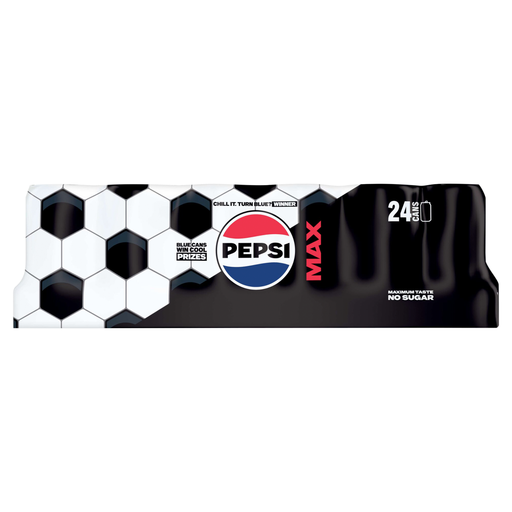
Why This Fits Their Persona: For those who love the bold taste of cola but want to skip the sugar, this is a straightforward choice. This large multipack is perfect for stocking up for pizza nights, BBQs or just ensuring there's always a can chilled in the fridge.
This is a direct zero-sugar alternative, not a misleading "healthy" drink. It delivers the familiar flavour profile many cola drinkers expect, minimising the "sweetener gamble" for fans of the brand.
Maximum taste with no sugar and just 1 kcal per can. The 24-can multipack offers great convenience and value for regular consumers.
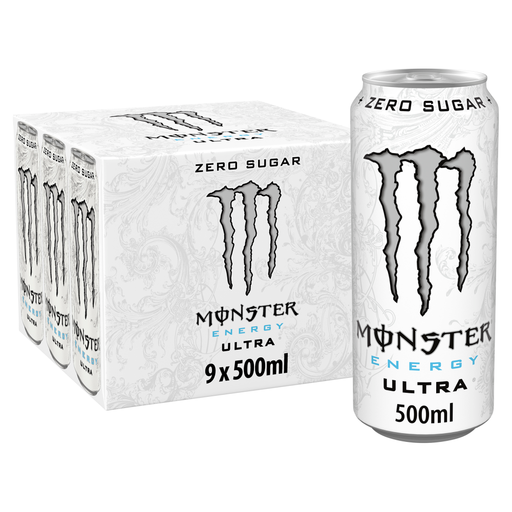
Why This Fits Their Persona: For those needing a functional boost for long workdays, study sessions or pre-gym, this sugar-free energy drink provides the lift without the subsequent sugar crash. The multipack is convenient for stocking up.
It avoids the "healthy halo" trap by being transparent about its purpose as a caffeinated energy drink. It is clearly a functional beverage, not a simple thirst quencher, allowing for informed consumption.
Zero sugar with only 2 kcal per 100ml. Contains a blend of B-vitamins, ginseng and L-carnitine alongside caffeine.
We have compiled a complete, real-time list of products that fully satisfy these strict selection criteria and UK safety regulations.
This is a key distinction. 'Zero sugar' means the final product contains 0g of sugar per serving, as confirmed by the nutritional table. 'No added sugar' means the manufacturer has not added any extra sugar during processing, but the product may still contain natural sugars from its ingredients, such as fruit. Always check the "of which sugars" line on the label for the complete picture.
Sugar-free drinks can be a useful tool for reducing overall sugar and calorie intake, which is a positive step for many people. However, it's important to see them as part of a balanced diet. They are a better alternative to their full-sugar counterparts for hydration, but water remains the foundation of a healthy hydration strategy. It's also wise to be mindful of other ingredients like caffeine, acids and artificial additives, depending on your personal dietary goals.
The "sweetener gamble" is real. The most practical approach is to start small. Instead of committing to a large multipack soft drinks case of a new brand, try purchasing a single can or bottle first. For no added sugar squash, you are often dealing with well-known brands where the flavour profile is more predictable. Once you find a brand and sweetener blend you enjoy, you can confidently buy in bulk to save money.