
24/7 Customer Support

Free returns

Same-day & Next-day Delivery

Quality Guaranteed

Unlock Your Welcome Offers: FREE Delivery | Up to 80% OFF | Free 30-day JoyPlus trial
Download the APP
Choosing sugar-free drinks and snacks can look straightforward until you compare the labels. “Zero sugar”, “no added sugar” and “low calorie” are not interchangeable terms, while a large multipack may offer convenience without representing good value if the flavour or format does not suit your household.
For UK shoppers stocking up for lunches, parties, work or family meals, three common pitfalls are worth avoiding:
For a product to be described as sugar-free, UK and retained EU food-labelling rules generally require no more than 0.5g of sugars per 100g or 100ml. “No added sugar” means sugars have not been added as an ingredient, but the product may still contain naturally occurring sugars.
For example, a drink labelled no added sugar may contain fruit juice, while many zero sugar soft drinks list 0g sugars per 100ml. Always check the full nutrition panel and serving size rather than relying on phrases such as “light”, “guilt-free” or “natural”.
“Zero-calorie drinks” may still contain a small amount of energy per can or bottle. Pepsi MAX products supplied in the range list around 1–2 calories per 330ml can, while 7UP Zero listings provide approximately 2–7 calories per can, depending on the product information.
With snacks, zero sugar does not mean calorie-free. Gullon Zero Original Digestives list 430 calories per 100g, and the dark chocolate ginger oat biscuits list 433 calories per 100g. These figures make portion size important, particularly when choosing sugar-free biscuits for regular snacking.
Sweeteners have different characteristics. Maltitol and isomalt are common in biscuits and confectionery, while aspartame and acesulfame K are frequently found in fizzy drinks. Products containing aspartame carry a source-of-phenylalanine statement, which is relevant for people who need to avoid phenylalanine.
Also check:
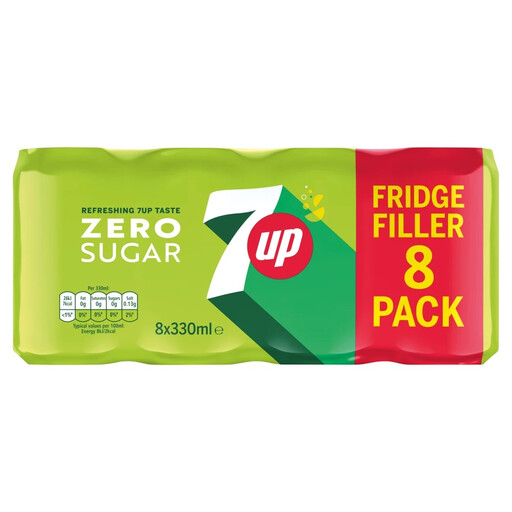
Why This Fits Their Persona: An eight-can format is manageable for first-time buyers, shared meals and smaller UK households that do not need a large case.
The pack size limits the risk of overbuying, while the listing states 0g sugar per 330ml can and identifies the sweeteners used.
Lemon-and-lime flavour, zero sugar, zero caffeine and suitability for vegetarians and vegans according to the product information.

Why This Fits Their Persona: Suitable for shoppers wanting a more distinctive biscuit texture and flavour for afternoon tea, sharing or a small dessert-style serving.
The product is described as no added sugar, while the nutrition panel states 1g sugars per 100g, making the distinction clear.
Contains oats, is high in fibre according to the listing and is suitable for vegetarians. It also provides dark chocolate and ginger flavour.
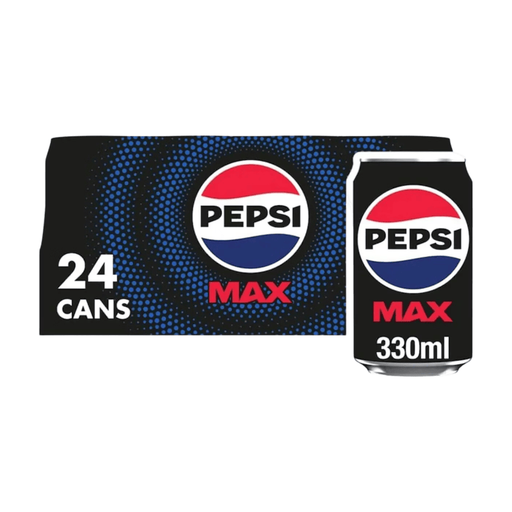
Why This Fits Their Persona: A larger case suits offices, frequent soft-drink consumers, parties and households that regularly pair cola with meals.
The 330ml can size makes individual portions straightforward, while the nutrition information lists 0g sugar and 1 calorie per can.
24 individual cans are convenient for storage and serving. The drink is suitable for vegetarians and is designed to be served chilled or over ice.

Why This Fits Their Persona: A practical choice for shoppers seeking vegan sugar-free snacks for packed lunches, office drawers or sharing at home.
The listing identifies the product as no added sugar and suitable for vegans, while also stating that it contains naturally occurring sugars.
Provides 9g fibre per 100g according to the supplied nutrition information and uses maltitol as a sweetener.
We have compiled a complete, real-time list of products that fully satisfy these strict selection criteria and UK safety regulations.
Before ordering zero sugar soft drinks or sugar-free fizzy drinks, estimate weekly usage. An 8-pack can suit occasional meals, while 18- and 24-can cases are more practical for regular consumption, parties or workplace fridges. Store cans in a cool, dry place and chill only what you expect to use.
For snacks, compare pack weight rather than relying on the number of biscuits. A 400g digestive pack may offer better cupboard value than a 97g individual pack, but smaller formats can help with portability and freshness. If you are choosing vegetarian sugar-free snacks, check for milk or other animal-derived ingredients. For vegan options, review the allergen and ingredients statement every time.
They can contain less sugar and energy than comparable full-sugar drinks, but “sugar-free” does not make a product automatically nutritious. Check caffeine, sweeteners, acidity and serving size, and include water and a varied diet in everyday routines.
Not necessarily. Sugar may be replaced with sweeteners and other ingredients, so compare the energy, fat and carbohydrate values per 100g. Some no added sugar biscuits still contain several hundred calories per 100g.
Keep unopened products in a cool, dry place away from direct sunlight, following the packaging instructions. Refrigerate opened drinks where directed, and reseal biscuits to help maintain texture. Always check the best-before date and product label before consumption.