
24/7 Customer Support

Free returns

Same-day & Next-day Delivery

Quality Guaranteed

Unlock Your Welcome Offers: FREE Delivery | Up to 80% OFF | Free 30-day JoyPlus trial
Download the APP
Reducing sugar does not mean giving up fizzy drinks, fruit flavours, energy drinks or convenient treats. However, the phrase sugar-free can make shopping more complicated than it first appears. A drink may contain no sugar but still include sweeteners, caffeine or a relatively high calorie count. A biscuit may have 0g sugar while remaining energy-dense.
For UK households, students, office workers and travellers, the main challenge is separating useful product information from vague marketing language. Before choosing sugar-free drinks and snacks, check the label, serving size, ingredients and suitability for the person using the product.
Under UK food labelling rules, “sugar-free” refers to the sugar content, not necessarily the total energy content. Some products use sweeteners or polyols to provide sweetness while retaining a small amount of energy.
For example, sugar-free biscuits can still contain flour, vegetable oil and around 400 kcal per 100g. They may suit someone reducing sugar, but they are not automatically a low-calorie snack. Always compare energy per serving as well as “of which sugars”.
Zero-sugar soft drinks commonly use sweeteners such as sucralose, aspartame or acesulfame K. These ingredients can help create a sweet taste without adding conventional sugar, but they may not suit every shopper’s preferences.
Sugar-free mints and biscuits often contain polyols such as maltitol, sorbitol, isomalt or xylitol. Products containing substantial amounts of polyols must carry a warning that excessive consumption may produce laxative effects. Portion size matters, particularly when buying multipacks.
Flavour, pack size and caffeine content vary considerably. A 500ml bottle of peach-flavoured sparkling drink serves a different purpose from a 330ml can of lemon and lime drink. Energy drinks also require additional care because they can contain approximately 30–32mg of caffeine per 100ml.
Check whether the drink is intended for everyday refreshment, occasional use or a specific routine such as studying, gaming or a long journey.
Start with the nutrition panel. Compare:
A drink such as 7UP Zero is listed at 0g sugar per 100ml and around 2 kcal per 330ml can, while a sugar-free biscuit can have 0g sugar but more than 400 kcal per 100g. These products meet different shopping needs.
For sugar-free energy drinks, check both the caffeine concentration and the can size. A 500ml can containing around 32mg caffeine per 100ml provides approximately 160mg caffeine in total.
Energy drinks with high caffeine content are not recommended for children, pregnant or breastfeeding women or people sensitive to caffeine. They should also be consumed moderately. A caffeine-free lemon and lime drink, tea or peach drink may be more suitable for family meals or regular hydration.
Read the full ingredients list rather than relying only on front-of-pack wording. Look for:
“Vegan sugar-free drinks” may still use sweeteners and additives, so check the product details if you are avoiding particular ingredients.
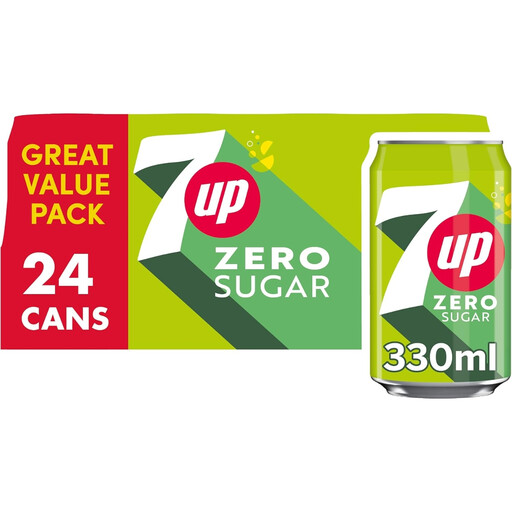
Why This Fits Their Persona: A 24-can multipack provides a practical supply for shared homes, packed lunches, office fridges or occasional entertaining. The lemon and lime flavour is familiar and caffeine-free.
The product information states 0g sugar and around 7 kcal per 330ml can, making the serving size clear rather than relying only on “zero” wording.
24 x 330ml cans; zero sugar; zero caffeine; suitable for vegetarians and vegans.

Why This Fits Their Persona: This 15-bottle pack is suited to shoppers who prefer a ready-to-drink tea option with jasmine aroma and oolong flavour instead of a sweet carbonated drink.
It offers a non-fizzy alternative, helping shoppers avoid assuming that every sugar-free option must be a soft drink or energy drink.
500ml bottles; 15-bottle multipack; sugar-free jasmine and oolong tea format.
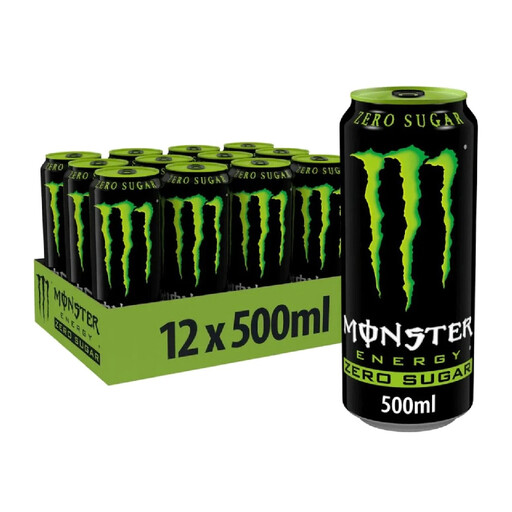
Why This Fits Their Persona: A 12-can supply is convenient for frequent users who want to stock an office, gaming space or travel cupboard, provided they are suitable for high-caffeine products.
The listing identifies approximately 32mg caffeine per 100ml and 160mg per 500ml can, so shoppers can assess total intake rather than focusing only on zero sugar.
12 x 500ml cans; 0g sugar per 100ml; suitable for vegetarians and vegans according to the listing.
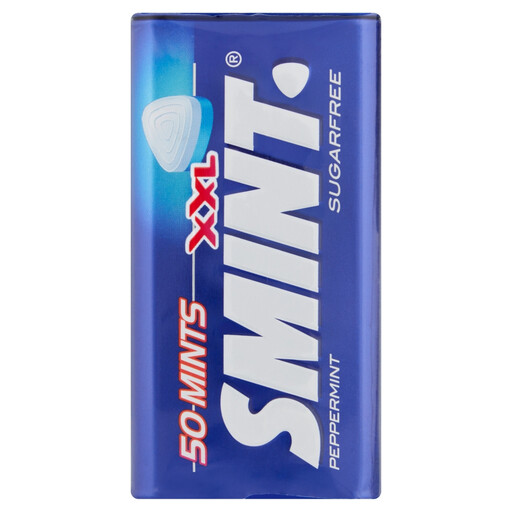
Why This Fits Their Persona: The compact tin suits commuters, drivers, students and office workers who want discreet, no-chew refreshment during the day.
The nutrition panel states 0g sugar while also identifying 98g polyols per 100g, giving a clearer indication of what replaces sugar.
Peppermint flavour; portable 35g tin; sugar-free recipe with sweeteners.
We have compiled a complete, real-time list of products that fully satisfy these strict selection criteria and UK safety regulations.
For biscuits and treats, compare the whole nutrition panel, not just the sugar line. Oreo Zero Sugar Sandwich Cookies use maltitol and contain wheat and soya. Gullon Zero Sugar Free Original Digestives use isomalt and maltitol, include whole wheat flour and provide 6.5g fibre per 100g. Both can be convenient sugar-free snacks, but neither should be treated as nutritionally identical to fresh fruit, yoghurt or a balanced meal.
If you prefer a drink with a fruit profile, Woongjin Nature’s Marlin Peach Zero PET 500ml provides a ready-to-drink peach flavour with 0g sugar and less than 1 kcal per 100ml. For sharper flavours, Tango Sugar Free Apple multipacks and sugar-free lemon and lime drinks offer carbonated alternatives. Check each listing for sweeteners, pack quantity and storage requirements before ordering.
They can fit into an individual’s routine, but suitability depends on ingredients, caffeine and overall diet. Caffeine-free zero-sugar soft drinks and unsweetened tea offer different considerations from sugar-free energy drinks. Water should remain part of normal hydration, and product labels should always be checked.
Not necessarily. Sugar-free biscuits may replace sugar with polyols, but flour and fats still contribute energy. Compare calories per 100g and per portion, and follow any warning about excessive consumption.
Keep unopened products in a cool, dry place away from direct sunlight unless the packaging says otherwise. Chill fizzy drinks before serving, handle pressurised cans carefully and consume opened drinks promptly to preserve carbonation. Always use the best-before information printed on the packaging.