
24/7 Customer Support

Free returns

Same-day & Next-day Delivery

Quality Guaranteed

Unlock Your Welcome Offers: FREE Delivery | Up to 80% OFF | Free 30-day JoyPlus trial
Download the APP
Sugar-free energy drinks can be a convenient choice for busy commutes, gym sessions, study periods, gaming and long journeys. However, a lower-sugar label does not automatically mean every can suits your routine. Caffeine level, serving size, sweeteners, flavour and pack value can vary considerably.
This guide from the Joybuy Product Recommendation Officer explains the practical details to check before buying, then matches several ready-to-drink energy drinks to different UK lifestyles.
Most sugar-free energy drinks are still caffeine energy drinks. A 250ml can may contain around 80mg of caffeine, while a 500ml can can contain approximately 150–160mg. A larger can is not simply “more drink”; it may also provide substantially more caffeine per serving.
For context, many products display a warning such as high caffeine content when they contain more than 150mg per litre. Check the per-can figure rather than relying only on the front-of-pack “zero sugar” message.
Some pre-workout energy drinks include amino acids, taurine, electrolytes, vitamins or botanical extracts. These may be useful features for certain routines, but they can make a product less suitable if you simply want a small, chilled drink for an afternoon commute.
Conversely, choosing a standard drink when you specifically want a pre-workout formula may leave you paying for a multipack that does not match your use. Compare the ingredient panel and serving size, not just the brand name or advertising language.
Energy drink multipacks can offer convenience, but a 12- or 24-can case takes up cupboard space and may not suit occasional users. A four-pack is easier to try, while a larger case may make more sense for households, office storage or frequent users.
Also check the best-before information on arrival, store unopened cans in a cool, dry place and refrigerate opened drinks where the label recommends it.
Caffeine is usually the most important comparison point. Common examples include:
The Food Standards Agency advises that healthy adults should generally keep total daily caffeine intake to no more than 400mg, while pregnant women are advised to limit intake to 200mg per day. Caffeine from coffee, tea, cola, supplements and energy drinks all counts towards the total. These products are not recommended for children, and people who are sensitive to caffeine should choose carefully or avoid caffeinated options.
“Sugar-free” means the drink contains no sugar or meets the relevant sugar-free threshold, but it may still contain sweeteners and a small amount of energy. For example, the supplied products range from zero calories to around 11 calories per 500ml can.
Check the nutrition table for:
A 250ml can is relatively compact and allows closer control of each serving. A 330ml can may provide a stronger pre-workout formula, while a 500ml can offers a larger drink but may contain more caffeine and sweetener.
For active users, compare the actual quantities of electrolytes, amino acids, taurine and beta-alanine. Applied Nutrition ABE Energy drinks list around 200mg each of caffeine, taurine, citrulline malate and beta-alanine per 330ml can. Optimum Nutrition’s drink lists 100mg caffeine, 70mg magnesium and approximately 3.1g of amino acids per 250ml can.
These specifications describe the product contents; they should not be treated as medical or performance guarantees.

Why This Fits Their Persona: A four-pack offers a manageable way for students, occasional users and first-time buyers to try a familiar 250ml format without committing to a large case.
The 250ml serving makes caffeine easier to track than a larger can, while the nutrition panel states 0g sugar and approximately 8 calories per can.
80mg caffeine per can; sugar-free and vegan-friendly according to the supplied product details.

Why This Fits Their Persona: Gym users and active professionals who want more than a basic energy drink may value the combination of caffeine, amino acids, magnesium and electrolytes in a ready-to-drink can.
Its listed quantities make the added ingredients easier to compare, rather than relying on vague “performance blend” wording.
100mg natural caffeine; 10 calories, zero sugar and approximately 3.1g amino acids per 250ml can.
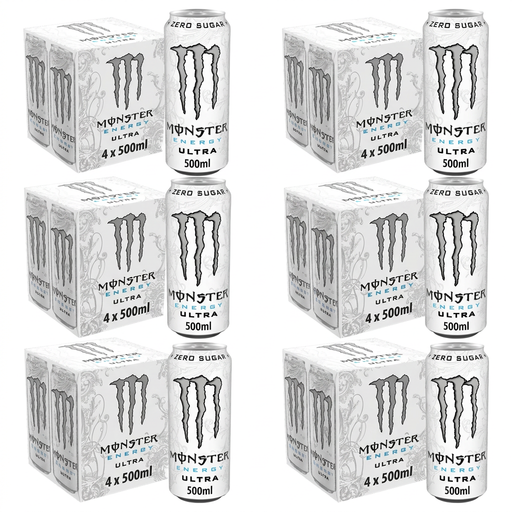
Why This Fits Their Persona: Drivers, gamers and regular multipack buyers who prefer a larger can and lighter citrus flavour may find the 500ml format convenient.
The product information states the can size, caffeine warning and nutrition values, helping buyers account for the larger serving before opening it.
Zero sugar; approximately 11 calories and 30mg caffeine per 100ml in the supplied nutrition information.
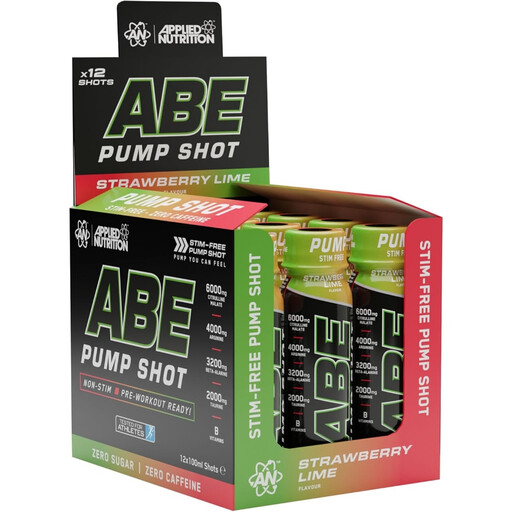
Why This Fits Their Persona: Evening gym users or adults avoiding stimulants can choose a compact pre-workout shot without caffeine.
It directly addresses the caffeine trap: the supplied description identifies the formula as stimulant-free and recommends one serving per day.
Zero caffeine; approximately 5 calories per 60ml serving and ready to drink without mixing.
We have compiled a complete, real-time list of products that fully satisfy these strict selection criteria and UK safety regulations.
Usually, yes. Replacing sugar with low- or no-calorie sweeteners often reduces energy content, but the exact amount varies. Check the per-can calorie figure, as a 500ml drink may contain more calories than a 250ml serving even when both are sugar-free.
A 250ml can commonly contains around 80mg, while larger 330ml and 500ml formats may provide approximately 200mg and 150–160mg respectively. Always check the current label, particularly when comparing zero-sugar energy drinks, pre-workout energy drinks and multipacks.
Some adults use them before training, but suitability depends on caffeine tolerance, timing and the rest of the day’s caffeine intake. A caffeine-free option such as a stim-free shot may be more appropriate for evening training. Read the label carefully, follow the stated serving guidance and seek professional advice if you have a medical condition, take medication, are pregnant or breastfeeding.