For an adult choosing one can with less caffeine at weekend breakfast, Red Bull Sugarfree contains 80 mg per 250 ml can; Monster Energy lists 150 mg for a 500 ml Ultra can and 160 mg for a 500 ml Zero Sugar can. A larger can may suit someone who wants that serving size, but compare the caffeine on the specific pack and count coffee, tea or other caffeine consumed that day. If the exact words ‘no added sugar’ matter to you, check the individual UK label rather than assuming they follow from ‘Sugarfree’ or ‘Zero Sugar’ in a product name.
Who might choose each format?
The useful distinction at breakfast is the amount in the can you intend to drink, not just whether its name says sugar-free.
Adults wanting a smaller sugar-free can
Red Bull Sugarfree is a 250 ml option with 80 mg caffeine per can, according to Red Bull. It gives you a smaller single-can serving than the compared 500 ml Monster drinks, although any other caffeine that day still counts.
Adults choosing a larger zero-sugar can
Monster Energy lists 500 ml Ultra and Zero Sugar drinks with 150 mg and 160 mg caffeine per can respectively. Check the caffeine figure on the particular pack you buy, especially if you also have coffee or tea.
Shoppers checking an exact sugar claim or ingredients
Red Bull says its sugar-free products use sweeteners instead of sugars, while a Tesco listing for Monster Energy Zero Sugar names several sweeteners. If you need the precise ‘no added sugar’ wording or avoid a particular ingredient, read the current individual label.
What should you check before buying?
Start with the sugar wording you require, then compare caffeine per can rather than can size alone.
| Priority |
What to check |
Your needs |
| Sugar wording |
Read the individual UK pack’s claim, ingredient list and nutrition panel. A product named ‘Sugarfree’ or ‘Zero Sugar’ does not, by its name alone, establish that its label says ‘no added sugar’. |
I need to see the exact ‘no added sugar’ claim before choosing, rather than relying on a shop category or search result. |
| Caffeine per can |
Compare both can size and caffeine on the pack. Red Bull states 80 mg per 250 ml Sugarfree can; Monster Energy states 150 mg per 500 ml Ultra can and 160 mg per 500 ml Zero Sugar can. |
If I have coffee or tea with breakfast, I want to account for the energy drink’s full per-can caffeine amount alongside them. |
| Ingredients |
Check the current list for sweeteners and other ingredients that matter to you. Red Bull describes sweeteners in its sugar-free range; Tesco lists erythritol, sucralose, acesulfame K and guarana seed extract for a Monster Energy Zero Sugar multipack. |
Zero sugar does not answer my question about which sweeteners or other listed ingredients are in the drink. |
| Pack format |
Confirm whether the listing is for 250 ml or 500 ml cans and how many cans are in the pack. Use the single-can information when comparing what you plan to drink at breakfast. |
A multipack may be convenient, but I am choosing the size of one serving, not comparing the total volume of two packs. |
Common buying mistakes
-
Treating ‘sugar-free’ as the exact ‘no added sugar’ label claim
A shopper who needs that particular wording could pick the wrong drink by relying on a product name or category filter.
Inspect the current individual UK pack or retailer label for the claim, ingredients and nutrition information you require.
-
Comparing can sizes without comparing caffeine
Red Bull lists 80 mg caffeine in a 250 ml Sugarfree can, while Monster Energy lists 150 mg or 160 mg in the compared 500 ml zero-sugar cans. Those are different contributions from one can at breakfast.
Check caffeine per can on the pack and include other sources, such as coffee and tea, when considering your day’s intake.
-
Assuming zero sugar means no sweeteners
Red Bull describes sweeteners in its sugar-free range, and Tesco’s Monster Energy Zero Sugar ingredient listing names erythritol, sucralose and acesulfame K.
Read the current ingredient list if you avoid a particular sweetener or want to check for ingredients such as guarana seed extract.
Brands and retailer references
These references help distinguish named drinks and listings; a brand name alone does not establish the sugar claim or caffeine content of every product it sells.
Red Bull
Red Bull Sugarfree is a 250 ml sugar-free option.
- Red Bull states that a 250 ml Sugarfree can contains 80 mg caffeine and that its sugar-free range uses sweeteners instead of sugars.
- Check the individual pack if you require the exact ‘no added sugar’ wording or want to review its ingredients.
Monster
Monster Energy describes both Ultra and Monster Energy Zero Sugar as 500 ml zero-sugar drinks.
- Monster Energy lists 150 mg caffeine per 500 ml Ultra can and 160 mg per 500 ml Zero Sugar can.
- Use the caffeine information on the particular can you buy; the figures should not be assumed to apply to every Monster variant or listing.
Relentless
Relentless is another energy-drink brand to assess product by product.
- Relentless describes White Citrus as containing sugar and sweetener, so that drink does not belong on a strict sugar-free shortlist.
Lucozade
Lucozade describes Alert as a high-caffeine drink.
- Check the individual Lucozade Alert product label for its sugar wording, ingredients and caffeine before considering it for this choice.
Tesco
Tesco’s sugar-free energy-drink category includes listings for named Red Bull and Monster products.
- Individual listings can help you inspect pack format and ingredients, including those listed for Monster Energy Zero Sugar.
- Confirm the current product label and pack format before ordering; a category listing is not a claim about every drink it contains.
Joybuy sugar-free and zero-sugar options
These packs offer a smaller Red Bull Sugarfree can and larger Monster zero-sugar cans for the breakfast choice. Check each pack’s current label if the exact ‘no added sugar’ claim or a particular caffeine figure is decisive.
 No image available
Red Bull Sugarfree, 4 × 250 ml
The smaller-can option if you plan to drink one can at breakfast. Red Bull states that Sugarfree contains 80 mg caffeine per 250 ml can. Check the current pack if you need the exact ‘no added sugar’ wording or want to review its sweeteners.
View on Joybuy
 No image available
Monster Original Green Zero Sugar, 4 × 500 ml
A four-pack for someone choosing a 500 ml zero-sugar can rather than a smaller serving. Read this pack’s caffeine information before deciding how it fits alongside coffee, tea or other caffeine; also check its label if you require the exact ‘no added sugar’ claim.
View on Joybuy
 No image available
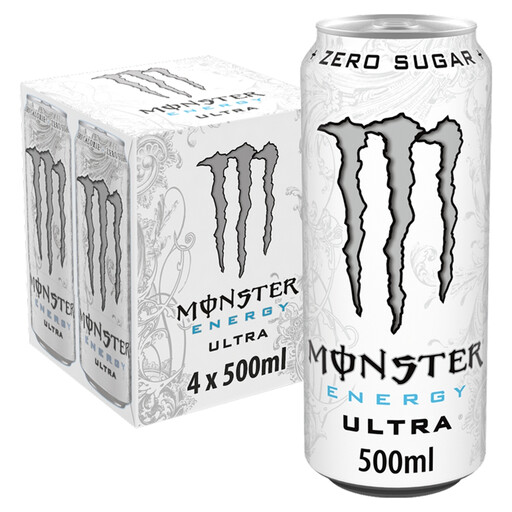
Monster Ultra Zero Sugar, 4 × 500 ml
This pack offers four 500 ml zero-sugar cans. Monster Energy states 150 mg caffeine per 500 ml Ultra can, but the caffeine figures associated with this listing differ; check the current can label before relying on a per-can amount. Check the same label if the precise ‘no added sugar’ wording matters to you.
View on Joybuy
Frequently asked questions
Does ‘zero sugar’ mean the label says ‘no added sugar’?
Do not assume the exact ‘no added sugar’ wording from ‘Zero Sugar’ or ‘Sugarfree’ in a product name. If that claim is a requirement for your purchase, check the current individual UK pack or retailer label before buying.
Which compared drink contains less caffeine in one can?
Red Bull states that Sugarfree contains 80 mg per 250 ml can, compared with Monster Energy’s figures of 150 mg per 500 ml Ultra can and 160 mg per 500 ml Zero Sugar can. These are manufacturer figures for the named drinks; check the particular can’s label, especially where a retailer listing gives different information, and account for other caffeine consumed that day.
Does sugar-free wording settle the caffeine question during pregnancy?
No. The NHS lists energy drinks among caffeine sources and advises no more than 200 mg caffeine a day during pregnancy. Sugar-free wording does not remove caffeine, so check the drink’s label and caffeine from other sources; ask your midwife about your circumstances.


