Afternoon snack shoppers limiting sugar
If you want a sweet fizzy drink with your snack, compare zero-sugar and no-added-sugars wording rather than treating them as identical. Check the ingredients as well if particular sweeteners matter to you.


For an afternoon snack, choose by both the sugar claim and the caffeine in the whole can: sugar-free does not mean caffeine-free. Red Bull lists 80 mg in a 250 ml Sugarfree can, while Monster Energy lists 150 mg in a 500 ml Ultra can and 160 mg in a 500 ml Zero Sugar can. The smaller can has less caffeine per container in this comparison, but your other caffeine intake and preference for sweeteners still matter.
If you want a sweet fizzy drink with your snack, compare zero-sugar and no-added-sugars wording rather than treating them as identical. Check the ingredients as well if particular sweeteners matter to you.
The amount in a complete can matters more than a sugar-free label when planning your afternoon intake. The manufacturer figures for the compared drinks range from 80 mg per 250 ml can to 150–160 mg per 500 ml can.
An energy drink need not be the starting point if zero sugar is the main requirement. Lucozade describes its Zero range as zero sugar and markets its separate Alert range as high caffeine; check the particular drink rather than assuming the ranges serve the same purpose.
Decide whether you want an energy drink at all, then compare the sugar wording, ingredients and caffeine for the serving you would actually drink.
Consider it: Red Bull Sugarfree fits a smaller-can choice when its stated 80 mg caffeine per can suits your planned intake.
Bear in mind: It still contains caffeine and uses sweeteners instead of sugars, according to Red Bull.
Consider it: Monster Ultra or Monster Energy Zero Sugar fits a preference for a larger zero-sugar can if its stated caffeine amount suits your plans.
Bear in mind: Monster Energy lists 150 mg and 160 mg caffeine respectively per 500 ml can, more per container than the compared Red Bull Sugarfree can; figures may vary by region.
Consider it: Lucozade Zero is an alternative when your priority is a zero-sugar drink rather than an energy drink.
Bear in mind: Do not assume it has the caffeine content of an energy drink; Lucozade identifies Alert as a separate high-caffeine range.
| Priority | What to check | Your needs |
|---|---|---|
| Sugar wording | Read whether the drink says zero sugar, sugar-free or no added sugars. Check the nutrition information for total sugars, especially where fruit juice is an ingredient. | I want to know whether I am avoiding sugars altogether or choosing a drink without added sugars that still contains some sugar. |
| Caffeine per can | Compare the can size and caffeine amount for the whole container. Red Bull lists 80 mg per 250 ml Sugarfree can; Monster Energy lists 150 mg per 500 ml Ultra can and 160 mg per 500 ml Zero Sugar can. | For an afternoon drink, I want to count the full can alongside any coffee, tea or other caffeine I have had that day. |
| Sweeteners | Read the ingredient list rather than assuming a sugar-free drink is unsweetened. Check for particular sweeteners you prefer to avoid. | A drink can meet my sugar preference without matching my ingredient or flavour preference. |
| Warnings | Read the warning on the particular can. Relentless says its Guava drink is not recommended for children, people sensitive to caffeine, pregnant women or women who are nursing; that product also lists sucrose. | If a caffeine warning applies to me or someone I am buying for, I need to check the product label before choosing it. |
Removing sugar does not remove caffeine. Red Bull lists 80 mg in a 250 ml Sugarfree can, and Monster Energy lists 150 mg or 160 mg in the compared 500 ml zero-sugar cans.
Check caffeine for the whole can and include other caffeinated drinks you have had that day.
A 500 ml can is a different serving from a 250 ml can. Comparing only the sugar claim can obscure the different caffeine amounts per container.
Put can size and total caffeine side by side before deciding which serving suits your afternoon plans.
A drink without added sugars may still contain sweeteners, while a drink containing fruit juice may still have total sugars. The two questions require different label checks.
Read both the ingredients and the nutrition information if sweetener choice or total sugars matter to you.
Red Bull has a Sugarfree range that includes a 250 ml can.
Monster Energy lists zero-sugar options in 500 ml cans, including Ultra and Monster Energy Zero Sugar.
Lucozade describes Zero as a zero-sugar soft-drink range and markets Alert separately as high caffeine.
Check individual Relentless varieties against your sugar requirement rather than relying on the brand name.
These options include sugar-free energy drinks in different can and pack sizes, plus a matcha drink described as having no added sugars. Check the distinction between zero sugar and no added sugars before comparing them.
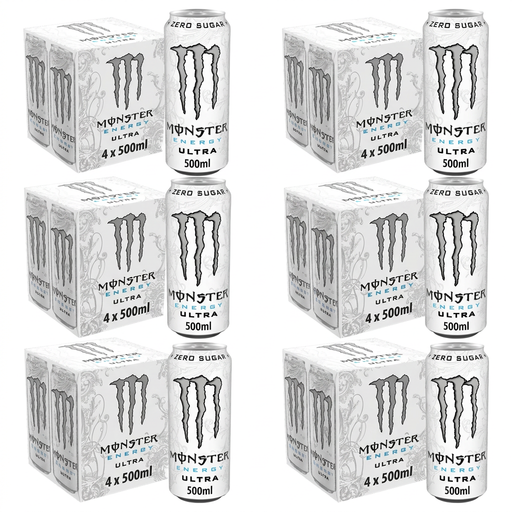 No image available
For a larger zero-sugar afternoon serving, Monster Energy lists 150 mg caffeine per 500 ml Ultra can. This is a multipack; check the can ingredients if particular sweeteners matter to you.
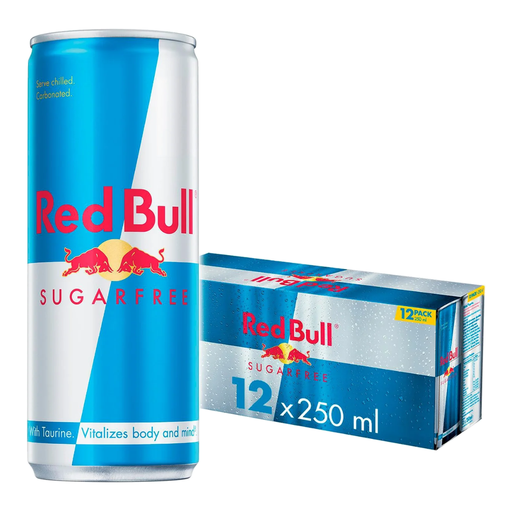 No image available
For a smaller sugar-free can, Red Bull lists 80 mg caffeine per 250 ml Sugarfree serving. It still contains caffeine and uses sweeteners, so check the ingredients and count other caffeine consumed that day.
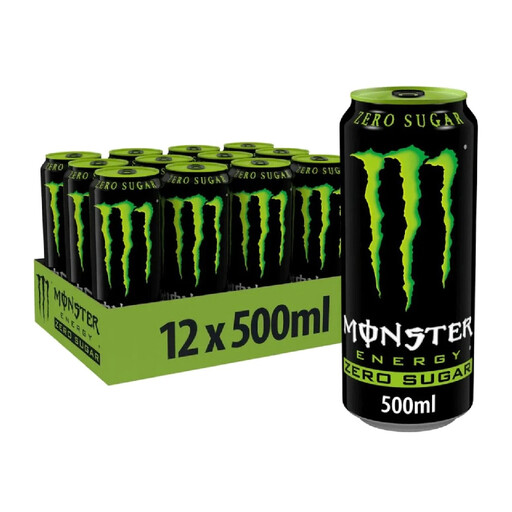 No image available
This multipack is a zero-sugar energy-drink option. Check the caffeine amount and warnings on its can when planning an afternoon serving; do not assume its figures match another Monster variety.
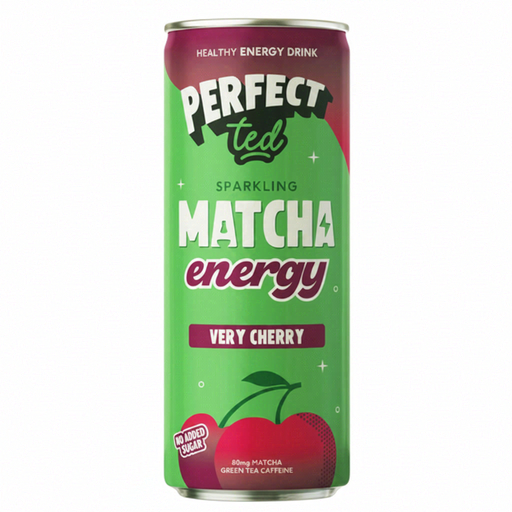 No image available
Consider this matcha drink if no added sugars, rather than zero total sugars, is your requirement. Its juice ingredients contribute sugars, so check the nutrition information as well as the caffeine and any warnings on the can.
 No image available
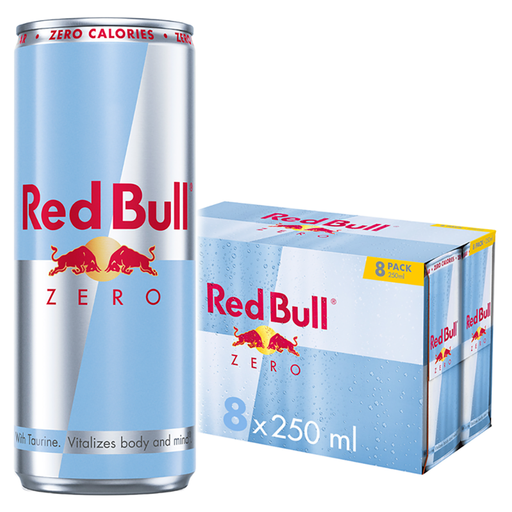
This is a 250 ml zero-sugar energy-drink option. Check the caffeine amount for a complete can and read its sweetener ingredients; do not substitute the figure for Red Bull Sugarfree without checking this variant.
No. Sugar wording does not describe caffeine content. Red Bull lists 80 mg caffeine in a 250 ml Sugarfree can, so check both the ingredients and caffeine information when choosing a drink.
Compare the amount in the whole can, then consider caffeine from other drinks you have had. Red Bull lists 80 mg per 250 ml Sugarfree can; Monster Energy lists 150 mg per 500 ml Ultra can and 160 mg per 500 ml Zero Sugar can. Check the particular can, as Monster says its figures may vary by region.
No. A drink described as having no added sugars may still contain sugars from ingredients such as fruit juice. If total sugars matter to your choice, read the nutrition information rather than relying on the front-of-pack wording alone.
In its 2015 scientific opinion, the European Food Safety Authority said single doses up to 200 mg and habitual intake up to 400 mg per day from all sources did not raise safety concerns for healthy non-pregnant adults. These population-level findings are not a target for an individual drink; include other caffeine sources when assessing an afternoon can.
No UK-wide ban follows from the announced England measure. The Department of Health and Social Care announced in July 2026 a planned England ban on sales of high-caffeine energy drinks to under-16s from April 2027. Check the rules and retailer policy applicable where and when you buy.