Hosts stocking individual refreshments
Separate 250 ml cans let guests see the serving size before opening one. Red Bull states that a 250 ml Red Bull Sugarfree can contains 80 mg caffeine, so the amount in each can is clear.


For a self-catering cottage with adult guests, 250 ml Red Bull Sugarfree cans provide smaller individual servings, while 500 ml Monster zero-sugar cans suit guests who want a larger drink and have checked its caffeine content. A shared 1 litre Tesco Blue Spark Sugar Free bottle requires measured servings and use within three days of opening. If the request is specifically for “no added sugar”, check the chosen pack: the product information here uses “sugar free” or “zero sugar” wording.
The useful distinction is whether adult guests will choose their own sealed can or share a bottle that needs measuring and storing after opening.
Separate 250 ml cans let guests see the serving size before opening one. Red Bull states that a 250 ml Red Bull Sugarfree can contains 80 mg caffeine, so the amount in each can is clear.
A 500 ml can offers a larger individual serving, but its total caffeine matters more than its zero-sugar wording. Monster Energy lists 150 mg caffeine for a 500 ml Ultra can and 160 mg for a 500 ml Zero-Sugar can; check the exact variant being offered.
A 1 litre bottle can serve several adults if portions can be measured. Tesco says its Blue Spark Sugar Free bottle is best used within three days after opening, so consider whether guests will finish it in that time.
Start with the wording on the chosen drink, then compare caffeine in the amount each guest is likely to pour or open. Pack size and storage determine whether individual cans or a shared bottle are practical.
| Priority | What to check | Your needs |
|---|---|---|
| Sugar wording | Read the exact sugar statement and nutrition panel on the selected pack. Red Bull describes Sugarfree as without sugars; Monster lists 0 g sugar for its specified Ultra and Zero-Sugar 500 ml cans. Do not assume that “no added sugar” is the wording used on those packs. | I want an energy drink that meets a specific sugar requirement, so the wording on the drink I buy matters more than a range or brand name. |
| Caffeine per serving | Compare the whole can or measured glass, not just a per-100 ml figure. Red Bull states 80 mg in a 250 ml Sugarfree can; Monster Energy lists 150 mg in a 500 ml Ultra can and 160 mg in a 500 ml Zero-Sugar can. Tesco labels Blue Spark Sugar Free at 30 mg per 100 ml. | Guests may choose different serving sizes. I want them to be able to check the caffeine amount before taking a can or pouring from a bottle. |
| Pack and storage | Decide whether sealed individual cans or measured servings from a bottle fit the group. Tesco says its 1 litre Blue Spark Sugar Free bottle is best used within three days once opened; check the pack’s storage instructions. | For guests helping themselves at different times, individual cans avoid leaving a shared bottle open. A bottle makes more sense if we can manage portions and finish it promptly. |
| Guest suitability | Read the caffeine warning on each pack and account for caffeine from other drinks. The NHS advises caffeine in moderation and says that during pregnancy caffeine intake should not exceed 200 mg a day. | I need refreshments that do not leave children or guests who avoid caffeine having to guess which drinks contain it. Water and other non-energy options should be easy to identify. |
Zero sugar does not tell guests how much caffeine is in a can. Red Bull states 80 mg for its 250 ml Sugarfree can, while Monster Energy lists 150 mg for a 500 ml Ultra can and 160 mg for a 500 ml Zero-Sugar can.
Check caffeine for the whole serving and the exact variant before stocking larger cans.
Tesco labels Blue Spark Sugar Free at 30 mg caffeine per 100 ml. The amount a guest drinks therefore depends on how much they pour, and Tesco says the opened bottle is best used within three days.
If choosing the bottle, provide a way to measure servings and follow its storage instructions. Choose sealed cans instead when guests need clearly defined individual portions.
Guests can have different reasons for avoiding caffeine. The NHS advises moderation and a daily caffeine limit of 200 mg during pregnancy; caffeine from tea, coffee and other drinks also counts.
Keep energy drinks distinguishable from other refreshments, check the pack warnings and make water readily available.
A chosen flavour or format may not be available for delivery to the cottage when it is needed.
Check stock for the delivery area and date before committing to a particular drink, and identify an acceptable alternative format for the group.
A late change can mean an extra shopping trip during the stay.
These references help distinguish particular drinks and formats; a retailer listing or parent brand name is not a substitute for checking the selected pack.
Red Bull Sugarfree is a compact-can option for adults who want an individual serving.
Monster Energy lists zero-sugar 500 ml cans for adults who prefer a larger individual drink.
Tesco Blue Spark Sugar Free is a 1 litre bottled format for adults sharing drinks from a cottage fridge.
Lucozade Zero is a zero-sugar soft-drink range; Lucozade Alert is a separate high-caffeine range.
Sainsbury's lists sugar-free Red Bull variants, including a 473 ml Fuji Apple & Ginger edition.
Relentless is an energy-drink brand guests may recognise or request by flavour.
These multipacks offer sealed cans for adult cottage guests choosing their own servings. Compare the exact sugar wording and caffeine information on the selected pack, particularly where a “no added sugar” declaration is required.
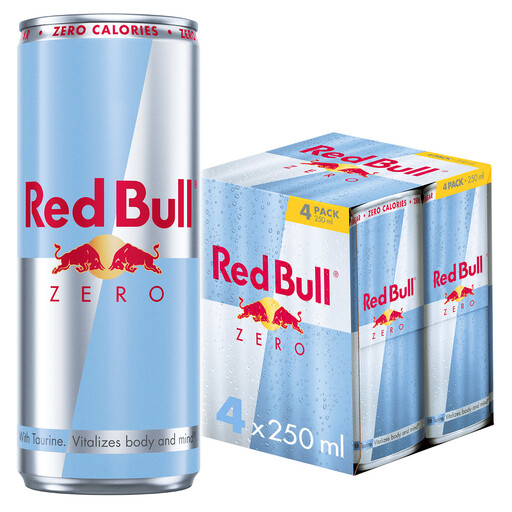 Image unavailable
Four individual 250 ml cans suit guests who prefer a smaller sealed serving. The product information lists 0 g sugars and caffeine at 32 mg per 100 ml; check the pack’s caffeine warning and exact sugar wording before offering it to guests.
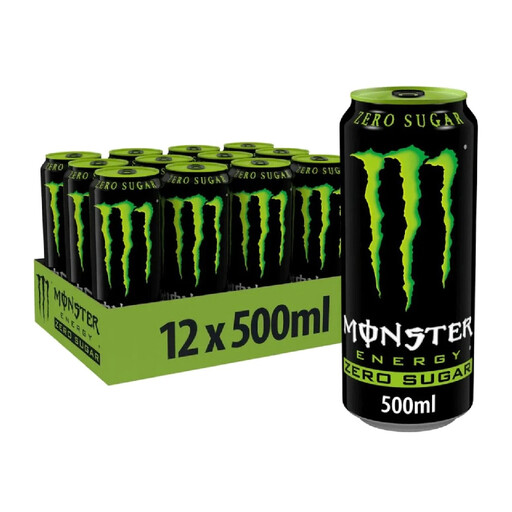 Image unavailable
This multipack is for adult guests who want separate, larger drinks. Its product information describes twelve 500 ml cans, 0 g sugars and 160 mg caffeine per can; check that amount and the guest warnings on the chosen pack.
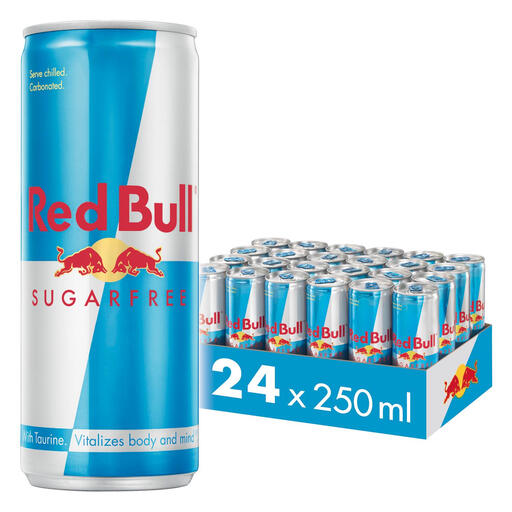 Image unavailable
Twenty-four sealed 250 ml cans provide individual servings for a group. The product information states 0 g sugars and 80 mg caffeine per can. Check the selected pack’s ingredient list if sweeteners matter: the product information and Red Bull’s own Sugarfree description name different sweeteners.
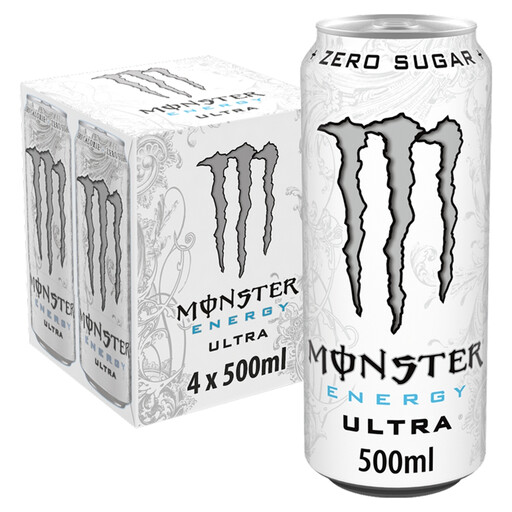 Image unavailable
Four individual 500 ml cans suit adults who prefer a larger serving; the product information lists 0 g sugars. Check caffeine per whole can on this specific pack before choosing it, as the available product figures differ, and read its guest warnings.
Do not treat the phrases as interchangeable when buying a specific drink. The energy drinks discussed here are described as sugar free or zero sugar; check the selected pack’s exact wording and nutrition panel if “no added sugar” is a requirement.
Individual cans make each guest’s serving size clearer when preferences differ. Red Bull states 80 mg caffeine in a 250 ml Sugarfree can, while Monster Energy lists 150 mg in a 500 ml Ultra can. A shared Tesco Blue Spark Sugar Free bottle calls for measured portions and, according to Tesco, is best used within three days of opening.
The NHS advises not exceeding 200 mg caffeine a day during pregnancy. Caffeine from an energy drink needs to be considered alongside tea, coffee and other sources; check the whole-can amount and the pack warning rather than judging by sugar content.
Keep water available for replacing fluids. The NHS describes water as the best way to replace fluids lost through sweating during physical activity and advises drinking caffeine in moderation.