
24/7 Customer Support

Free returns

Same-day & Next-day Delivery

Quality Guaranteed

Unlock Your Welcome Offers: FREE Delivery | Up to 80% OFF | Free 30-day JoyPlus trial
Download the APP
A sugar-free energy drinks multipack can be convenient for the office, home, studying, gaming or long journeys. However, pack size and “zero” wording can make comparisons less straightforward than they appear. A 250ml can and a 500ml can may have a similar caffeine concentration per 100ml but very different caffeine totals per serving.
Before choosing between sugar-free Red Bull, sugar-free Monster Energy and other zero-sugar energy drinks, check the figures that affect everyday use—not just the flavour description or the size of the outer box.
“Sugar-free” means the drink contains no sugar, but it does not mean caffeine-free. Most products in this category carry a high-caffeine-content warning. For example, Red Bull products listed here provide around 32mg of caffeine per 100ml, equivalent to approximately 80mg in a 250ml can. Some 500ml Monster cans contain around 150–160mg, while a 355ml CELSIUS can contains approximately 200mg.
That difference matters if you are buying caffeine energy drinks for work or study and may also drink coffee, tea or cola during the day.
A 24-pack may appear cheaper overall than a four-pack, but it requires more storage and may not offer better value if you are trying a new flavour. Calculate the price per can and, where can sizes differ, the price per litre.
For example, 250ml energy drink cans are suited to smaller, measured servings. A 500ml energy drink can contains twice the liquid, but not necessarily twice the flavour appeal or convenience. Multipacks containing 12 or 24 cans make sense for regular users, workplaces and shared households, provided the best-before date and storage space are suitable.
Zero-sugar energy drinks can still contain small amounts of carbohydrate, sweeteners, salt, taurine, vitamins or botanical extracts. “Zero calorie” may also be presented as “low calorie” depending on the recipe and rounding rules.
Always review the nutrition panel per 100ml and per can, plus the ingredients list. This is particularly important for people avoiding particular sweeteners, phenylalanine sources, preservatives or specific ingredients.
The UK label should identify a high caffeine content where applicable. Compare both the concentration and the total amount in one can:
Use the can size that matches your normal consumption rather than automatically choosing the largest multipack. Follow the product warning and avoid combining several high-caffeine products without considering your overall intake. These drinks are not recommended for children or pregnant or breastfeeding women, and people sensitive to caffeine should take particular care.
For a genuinely sugar-free choice, look for sugars: 0g in the per-can nutrition panel. The drink may still contain sweeteners such as sucralose, acesulfame K, aspartame, saccharin or steviol glycosides.
A zero-sugar drink is not necessarily calorie-free. Listed products range from approximately 0–11 calories per can depending on the brand, size and labelling format. If you avoid aspartame, check for the statement “contains a source of phenylalanine”.
Choose based on how the drink will be used:
Check whether dietary statements apply to the exact product. Several listed products are suitable for vegetarians or vegans, but formulas can change, so always confirm the current packaging.

Why This Fits Their Persona: A compact starting point for UK shoppers who want to try a familiar sugar-free formula without committing to a large case.
The 250ml format makes the serving size clear and avoids buying a large quantity before confirming that the taste suits you.
Four 250ml cans; 0g sugar and approximately 3 kcal per 100ml; listed as vegan and vegetarian.
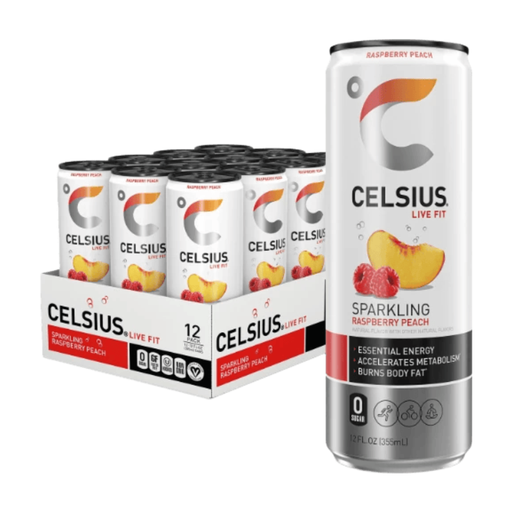
Why This Fits Their Persona: Suits adults seeking a fruit-flavoured, sugar-free option with a medium-sized can for workplace or active-lifestyle routines.
Its stated caffeine amount is shown per 355ml can, helping shoppers avoid relying only on the phrase “energy blend”.
12 x 355ml cans; 0g sugar and approximately 10 kcal per can; raspberry-peach flavour and vegan suitability listed.
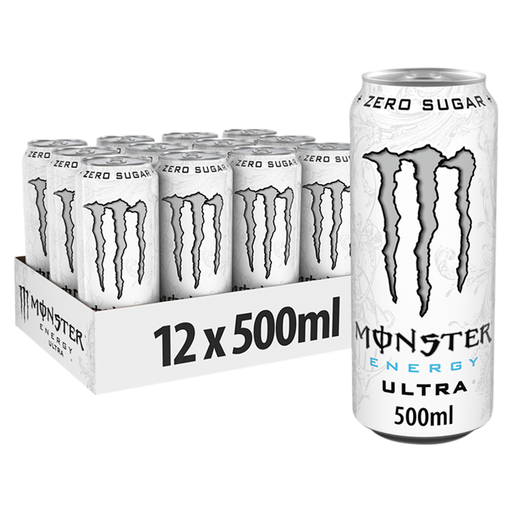
Why This Fits Their Persona: Designed for regular users who prefer larger cans and want a 12-can supply for home, gaming or shared workplace storage.
The 500ml serving and approximately 160mg caffeine per can are clearly relevant to portion planning; it should not be treated like a 250ml drink.
12 x 500ml cans; zero sugar; citrus flavour; taurine, ginseng, L-carnitine and B vitamins listed in the formula.
Energy drinks are shelf-stable when stored according to the label, usually in a cool, dry place away from direct sunlight. Multipacks do not have an extended life simply because they contain more cans. Check the best-before date, inspect cans for dents, swelling or leaks, and refrigerate after opening where the label instructs.
For value, divide the purchase price by the number of cans, then compare the result with the can volume. A large case may reduce the cost per litre, while a smaller multipack limits waste if your preferred flavour changes. Keep cans away from heat and do not freeze pressurised containers.
We have compiled a complete, real-time list of products that fully satisfy these strict selection criteria and UK safety regulations.
They may be convenient for adults who choose caffeine for alertness, but the caffeine amount varies considerably. Check the per-can figure, avoid drinking them late if caffeine affects your sleep, and follow the label warning. They are not a substitute for regular meals, water or sleep.
Neither format is automatically cheaper. Compare both price per can and price per litre. A 500ml can may offer a lower cost per litre, while a 250ml can may provide a more manageable serving and reduce the chance of opening more drink than you want.
Use the printed best-before date as the main guide and store the cans in cool, dry conditions. Quality may decline after opening, so consume opened drinks promptly or follow the storage instructions on the label. Formulas and packaging can change, so check the current product label before purchase and consumption.