
24/7 Customer Support

Free returns

Same-day & Next-day Delivery

Quality Guaranteed

Unlock Your Welcome Offers: FREE Delivery | Up to 80% OFF | Free 30-day JoyPlus trial
Download the APP
Buying sugar-free energy drinks multipacks can reduce the cost per can, but a large box is only useful if the flavour, caffeine level and serving size suit your routine. A multipack that sits unopened in a cupboard is not good value, even if the headline price looks attractive.
There are also several common buying traps. “Sugar-free” does not always mean the same thing as “no added sugar”; some drinks contain naturally occurring sugars from fruit juice. A zero-sugar recipe may still use sweeteners, while a larger 500ml can may contain twice as much liquid and substantially more caffeine than a 250ml can. Marketing phrases such as “natural energy” or “focus support” should therefore be checked against the ingredients and nutrition panel.
A drink labelled sugar-free should show 0g sugars on its nutrition information, subject to the permitted UK labelling threshold. A product with no added sugar can still contain naturally occurring sugars from fruit juice.
For example, PerfectTed Matcha Energy Juicy Peach contains no added sugars, but its ingredients include peach, mango and lemon juices. Its listed nutrition is 2.9g of sugars per 100ml, or approximately 7.25g in a 250ml can. This is different from a conventional zero-sugar energy drink.
Most standard caffeine energy drinks contain around 30–32mg of caffeine per 100ml, but can sizes vary considerably:
Always compare the caffeine amount per can, not just the figure per 100ml. This matters when choosing drinks for work, study, gaming or driving.
An 8-, 12- or 24-can case may offer a lower unit price, but calculate the cost per can before purchasing. Consider storage space, best-before dates and whether you genuinely enjoy the flavour. Limited-edition varieties can also be less suitable for regular purchasing if you prefer a consistent taste.
For genuinely low-calorie energy drinks, check both sugars and energy per 100ml. Red Bull Sugarfree products listed here provide 0g sugars and around 3kcal per 100ml. Monster Ultra Zero Sugar lists 0g sugars and approximately 2kcal per 100ml, although a 500ml can still contains a larger total volume and caffeine serving.
A product can be sugar-free without being free from sweeteners. Common ingredients include sucralose, acesulfame K, aspartame, saccharin and cyclamate. If you are sensitive to particular sweeteners, check the full ingredient list and allergen statement. Some products containing aspartame also carry a source-of-phenylalanine warning.
UK shoppers should look for the required “High caffeine content” warning where applicable. Products in this selection include warnings that they are not recommended for children, pregnant or breastfeeding women or people sensitive to caffeine.
For adults, the practical comparison is caffeine per can:
Avoid combining several caffeine energy drinks with coffee, pre-workout products or other caffeinated drinks without accounting for the total intake.
250ml energy drink cans are compact for a desk drawer, handbag, commute or lunchbox. They are also easier to portion. 500ml energy drink cans provide more drink in one container, but they take up more space and generally contain more caffeine per can.
Vegans should still check the product label rather than relying on a generic “natural” description. Red Bull Sugarfree, Monster Ultra Zero Sugar and the PerfectTed products listed below provide vegan suitability information, while formulations can change.
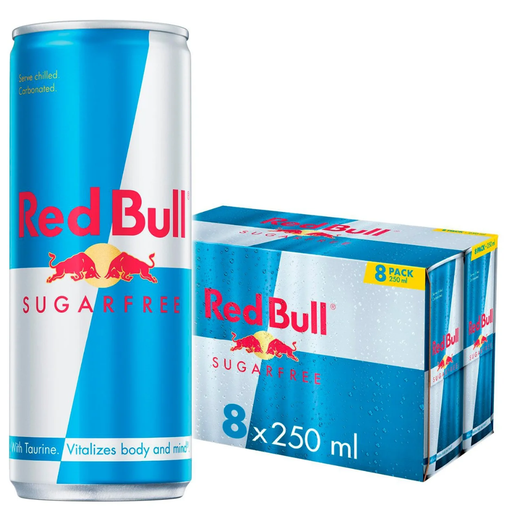
Why This Fits Their Persona: Eight compact 250ml cans provide a manageable introduction to zero-sugar energy drinks for office use, study sessions and commuting.
The 250ml format makes the per-can caffeine amount clear, while the listed nutrition shows 0g sugars and approximately 3kcal per 100ml.
Eight cans; 0g sugars per 100ml; approximately 80mg caffeine per 250ml can.
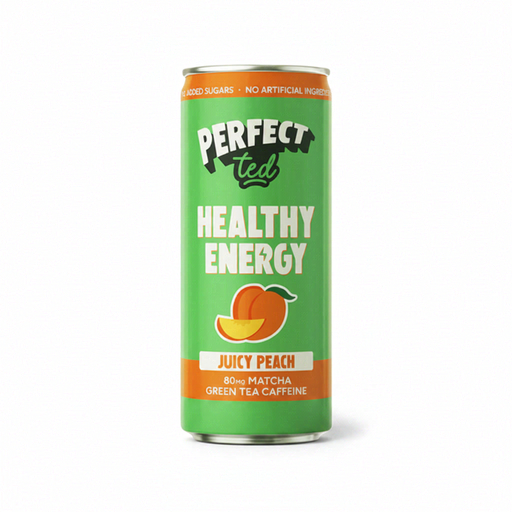
Why This Fits Their Persona: A fruit-forward matcha energy drink for shoppers who prefer a lightly sparkling flavour and a shorter ingredient list.
Its product information states no added sugars, not zero sugar, and lists fruit juices with 2.9g sugars per 100ml, making the distinction transparent.
80mg caffeine per can; vegan-friendly; gluten-free; 17kcal per 100ml; contains matcha and L-theanine.
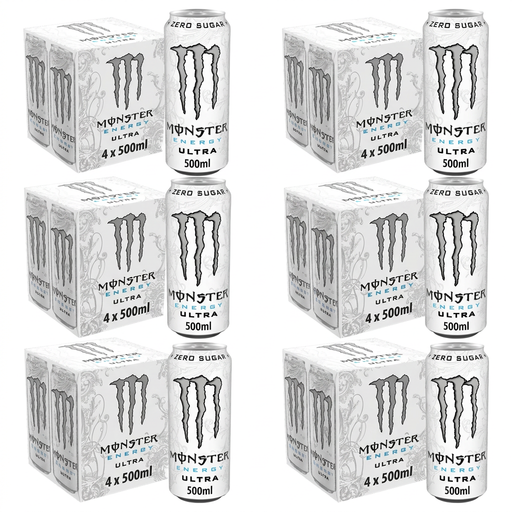
Why This Fits Their Persona: The 500ml format suits longer gaming sessions, demanding shifts and journeys where a larger can is more convenient.
The pack description identifies the can size, zero sugar content and approximately 30mg caffeine per 100ml, allowing the larger serving to be assessed properly.
24 cans in total; 0g sugars; approximately 11kcal per 500ml can; citrus flavour; suitable for vegetarians and vegans.
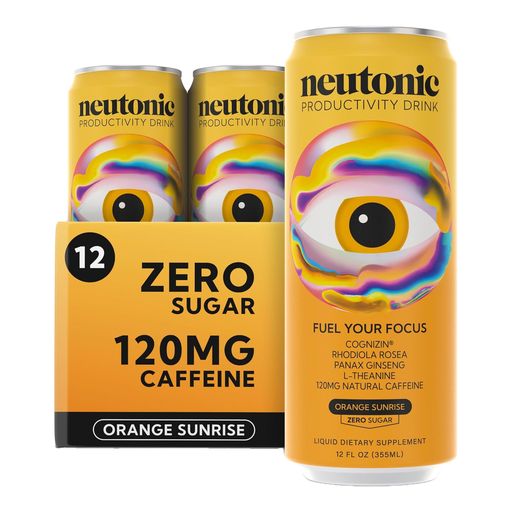
Why This Fits Their Persona: A 330ml zero-sugar option for adults comparing energy drinks for focus during work, study or training.
The label states 120mg caffeine per can and gives a specific one-can-per-day direction, rather than leaving serving size unclear.
0g sugars; 13kcal per 330ml can; contains 120mg caffeine, L-theanine and B vitamins; 12-can pack.
We have compiled a complete, real-time list of products that fully satisfy these strict selection criteria and UK safety regulations.
They contain little or no sugar, which can reduce sugar and calorie intake compared with a full-sugar alternative. However, they still contain caffeine and may contain sweeteners, acids and other functional ingredients. Read the nutrition panel and consume them moderately as part of a varied diet.
250ml cans are easier to portion and carry, with a lower caffeine amount per can. 500ml cans provide more drink but commonly contain around 150–160mg caffeine. The right option depends on your serving preference, storage space and total caffeine intake.
Keep unopened cans in a cool, dry place away from direct sunlight and extreme temperatures. Chill before serving if preferred. Once opened, consume promptly and do not drink from cans that are swollen, leaking or visibly damaged. Always check the best-before information and current label before consumption.