
24/7 Customer Support

Free returns

Same-day & Next-day Delivery

Quality Guaranteed

Unlock Your Welcome Offers: FREE Delivery | Up to 80% OFF | Free 30-day JoyPlus trial
Download the APP
Sugar-free flavoured water can be a practical alternative to traditional soft drinks, whether you need bottles for the office, school lunches, gym sessions or family meals. However, labels such as “light”, “natural” and “low sugar” can make comparison difficult.
The most useful checks are straightforward: look at sugar and calorie values per 100ml, read the full ingredient list and choose a pack size that suits how you will use it. A flavoured water that looks economical may be inconvenient if the bottles are too large for a school bag, while a small multipack may cost more per litre than a larger household format.
“No added sugar” does not always mean that a drink contains no sugar. Fruit juice or concentrates may contribute naturally occurring sugars. For example, peach water can contain both peach juice and added sweeteners, so checking the nutrition panel is more useful than relying on front-of-pack wording.
For a genuinely sugar-free option, look for “of which sugars: 0g per 100ml”. Also check the energy value if you are comparing low-calorie water with standard fruit drinks.
Many zero-sugar drinks use sweeteners to provide a sweet taste without adding sugar. Ingredients may include sucralose, acesulfame K, monk fruit or erythritol. These are not interchangeable, and the resulting taste can vary from a clean fruit note to a more pronounced sweetener finish.
Some products also carry specific warnings. For example, excessive consumption of erythritol- or other sweetener-containing drinks may cause a laxative effect in some circumstances. Read the packaging and follow the stated guidance, particularly when buying for a household.
A 500ml bottle is convenient for on-the-go hydration, school bags and gym lockers. A 1.25L bottle is more suitable for a fridge, desk or shared meal, but may not be practical to carry.
Once opened, storage instructions differ. Some drinks advise refrigeration and consumption within 24 hours, while others allow up to three or seven days. The label on the delivered product should always take priority, as packaging and formulations can change.
Compare nutrition values on the same basis: per 100ml. This avoids misleading comparisons between a 250ml serving and a full bottle.
Examples in this range include:
The final option is therefore a low-sugar peach water, rather than a sugar-free drink. That distinction matters if you are specifically reducing sugar intake.
A short ingredient list may appeal to shoppers who prefer a simple drink, but familiar ingredients are not automatically suitable for everyone. Check for:
For example, Genki Forest Red Bean with Barley Water contains barley, so it is not appropriate for people avoiding gluten-containing cereals. Highland Spring Sugar Free Strawberry Still Flavoured Water lists sulphites as an allergen declaration.
Most products listed here are still flavoured water, rather than sparkling drinks. Still water is generally easier to pair with meals and may be more suitable for school or office use where carbonation is not preferred.
For regular household consumption, bottled water multipacks can reduce the need for frequent individual purchases. Smaller single bottles are easier to distribute between family members or carry during commuting. If you are shopping for exercise, an electrolyte water format may be more relevant, but check its salt, carbohydrate and sweetener content rather than assuming it is suitable for every workout.
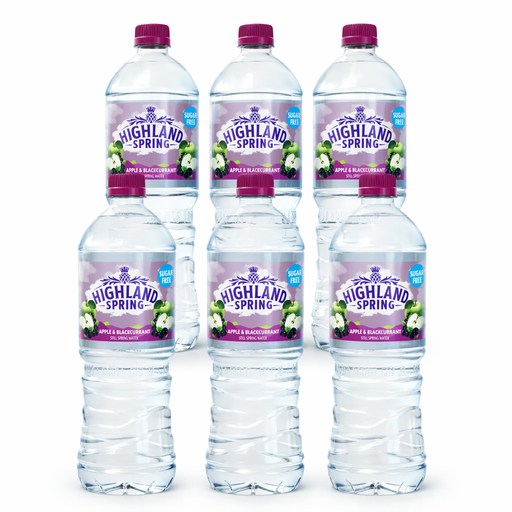
Why This Fits Their Persona: The six-bottle household format suits families, shared fridges and regular meals, with 7.5 litres in total.
The nutrition information states 0g sugar and 1kcal per 100ml, while the ingredients identify sucralose as the sweetener.
Large 1.25L bottles, apple and blackcurrant flavour, and no added sugar.
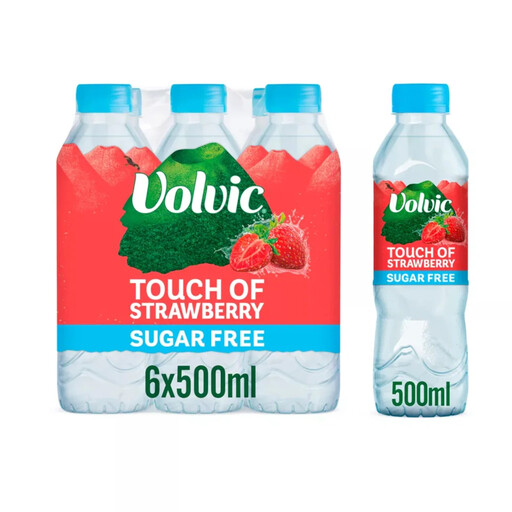
Why This Fits Their Persona: A portable six-pack with a strawberry flavour suits commuters, students and shoppers who prefer individually sized bottles.
The listed nutrition values are 0g sugar and 1kcal per 100ml. The ingredients still clearly state that sweeteners are used.
500ml bottles, natural strawberry flavouring and recyclable recycled-plastic bottles excluding caps and labels.
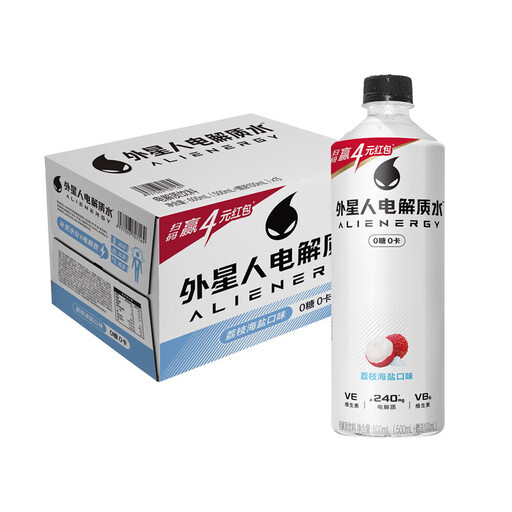
Why This Fits Their Persona: The 15-bottle format is convenient for gyms, offices, shared homes and shoppers who want a ready supply of electrolyte water.
The label states 0g sugar and 0kcal per 100ml, and it also identifies sweeteners and a 0.06g salt value per 100ml.
600ml bottles, lychee sea salt flavour and added vitamins E and B6.
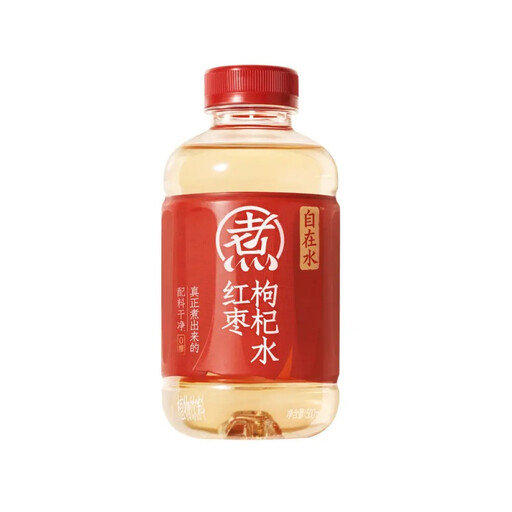
Why This Fits Their Persona: This 500ml Chinese herbal drink offers an alternative to familiar fruit flavours for students, office workers and curious shoppers.
Its listed nutrition is 0g sugar and 1kcal per 100ml, while the ingredient list specifies red dates, wolfberries and monk fruit.
Ready to drink, served chilled, with a lightly sweet red date and goji berry flavour.
We have compiled a complete, real-time list of products that fully satisfy these strict selection criteria and UK safety regulations.
It can be included as a refreshing drink choice, but suitability depends on personal dietary needs and the product’s ingredients. Compare the nutrition panel, follow storage guidance and maintain a varied diet. Sugar-free does not necessarily mean sweetener-free.
Unopened bottles can generally be stored according to the packaging instructions, usually in a cool, dry place away from sunlight. Once opened, many products should be refrigerated and consumed within 24 hours to seven days, depending on the product. Always follow the label.
Multipacks may offer practical value for regular users, but compare the total price with the total litre volume. A 6 x 1.25L pack provides 7.5 litres, while a 15 x 500ml pack provides 7.5 litres. This makes it easier to compare like for like before ordering.