
24/7 Customer Support

Free returns

Same-day & Next-day Delivery

Quality Guaranteed

Unlock Your Welcome Offers: FREE Delivery | Up to 80% OFF | Free 30-day JoyPlus trial
Download the APP
Choosing sugar-free flavoured water should be straightforward, but product labels and marketing messages can make comparisons surprisingly difficult. A drink may be described as “light”, “natural” or “fruit-infused” while still containing sugar, sweeteners or more calories than expected.
Whether you need everyday refreshment, drinks for the office, a family fridge supply or a flavoured water multipack for a gathering, the practical choice depends on more than flavour. Check the nutrition panel, serving format and storage instructions before paying for a large pack.
“No added sugar” means that sugar has not been added during production, but naturally occurring sugars may still be present. A sugar-free drink should show very little sugar on its nutrition panel, subject to the legal threshold used for the claim.
For example, Highland Spring flavoured water products listed here show 0g sugars per 100ml, while some fruit drinks contain substantially more. Hope Mangosteen Rice Sparkling Juice contains 9.3g sugar per 100ml, and ChuYin Peach Fruit Drink lists 11g sugar per 100ml. These are different choices from zero-sugar drinks, even though all may have a fruity taste.
Fruit flavouring, fruit extract and fruit juice are not interchangeable. Some drinks use natural flavourings with little or no juice, while others include juice concentrate, purée or fruit pulp. Read the ingredients list to see what is actually included.
Dash Sparkling Water with Wonky Grapefruit, for instance, lists carbonated spring water, natural flavourings, grapefruit extract and citric acid. Tango Apple Sugar Free includes 4% apple juice from concentrate, alongside sweeteners and other ingredients.
A 24-can case may offer a practical per-serving cost, but it requires storage space and may not suit a household that prefers still drinks. Conversely, a 1.25L bottle can be convenient for sharing, but it needs refrigeration after opening and should generally be consumed within the period stated on the label.
For events, check the total volume, number of servings and whether guests prefer still flavoured water or sparkling flavoured water. A multipack is not automatically better value if part of it remains unused.
Start with the nutrition table per 100ml, then calculate the amount per bottle or can. Highland Spring Apple & Blackcurrant Still Flavoured Water contains 1kcal and 0g sugar per 100ml. Its ingredients include sucralose, so it is sugar-free but not sweetener-free.
Dash Grapefruit Sparkling Water lists 2kcal and 0g sugar per 100ml, with no sweeteners shown in the ingredients. By contrast, 7UP Zero contains 2kcal and 0g sugar per 100ml, but uses aspartame and acesulfame K. It also contains a source of phenylalanine, which is clearly identified on the product information.
If you are specifically seeking low-calorie soft drinks, compare both calories and sweeteners rather than relying on front-of-pack wording.
Still drinks are usually easier to sip with meals, keep in a family fridge and pour into a glass without fizz. Sparkling options can provide a more traditional fizzy-drink experience and may work well at parties or as an alternative to full-sugar soft drinks.
Carbonation can affect storage and personal preference. Check whether the drink should be refrigerated before opening and how soon it should be consumed once opened.
For individual use, 330ml cans or 500ml bottles are portable and easy to portion. Larger 1.25L bottles are more suitable for sharing, while 6-bottle packs can support regular household use.
Consider:
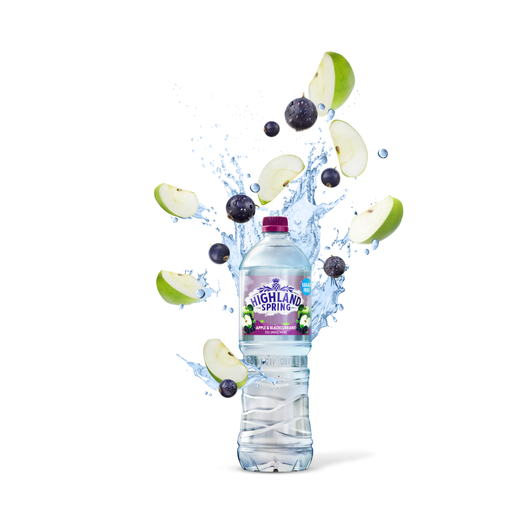
Why This Fits Their Persona: A 1.25L bottle suits shoppers trying flavoured water at home or sharing a chilled drink with family, without committing to a large multipack.
The listed nutrition values are 1kcal and 0g sugar per 100ml. The ingredients also identify sucralose, making the use of sweetener clear.
Still spring water format; apple and blackcurrant flavour; refrigerate after opening and consume within three days.

Why This Fits Their Persona: A 12-can case gives sparkling-water drinkers a ready supply for lunches, social occasions or the office fridge.
The listed ingredients contain no sugar or sweeteners, while the nutrition panel states 0g sugar and 2kcal per 100ml.
Carbonated spring water; grapefruit extract and natural flavourings; 330ml cans are easy to serve chilled.
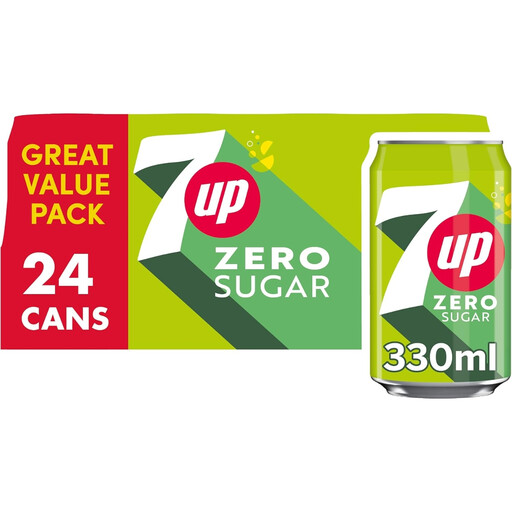
Why This Fits Their Persona: The 24-can format suits offices, parties, family gatherings and shoppers who regularly choose fizzy lemon-and-lime drinks.
The pack contains 24 servings of 330ml, with 7kcal and 0g sugar per can. The label also identifies aspartame and a source of phenylalanine.
Sparkling lemon and lime flavour; zero sugar; cans can be stored in a cool, dry place before chilling.
A flavoured water multipack can reduce repeated shopping trips and simplify refreshments for workplaces, gyms or gatherings. Compare the total litres rather than only the headline price. For example, six 1.25L bottles provide 7.5L in total, while 12 cans of 330ml provide 3.96L.
For families, larger still-water bottles may be easier to pour. For packed lunches or outdoor use, individual cans or bottles avoid repeatedly opening a shared container. Always follow the manufacturer’s storage instructions and check the label before consumption, particularly when buying imported fruit drinks or unusual flavours.
We have compiled a complete, real-time list of products that fully satisfy these strict selection criteria and UK safety regulations.
No. Sugar-free flavoured water may contain flavourings, acids, preservatives or sweeteners. It can provide a lower-sugar alternative to conventional soft drinks, but consumers should still check the ingredients and nutrition panel. Plain water remains a separate product category.
Not necessarily. Formulations vary, and some contain sweeteners or caffeine. For example, 7UP Zero contains a source of phenylalanine, while CELSIUS Raspberry Peach contains high caffeine and carries product-specific warnings. Read the packaging carefully, especially for children, pregnancy, allergies or caffeine sensitivity.