
24/7 Customer Support

Free returns

Same-day & Next-day Delivery

Quality Guaranteed

Unlock Your Welcome Offers: FREE Delivery | Up to 80% OFF | Free 30-day JoyPlus trial
Download the APP
For UK households, no added sugar fruit drinks can make everyday hydration more appealing without relying on traditional sugary soft drinks. They are useful for lunchboxes, family meals, picnics, barbecues and keeping a bottle in the fridge. However, the wording on the front of a pack does not tell the whole story.
A no added sugar squash may still contain naturally occurring sugars from fruit, while a product labelled “low sugar” may use sweeteners that some shoppers prefer to limit. Concentrated squash also needs dilution, so comparing bottles by price alone can give a misleading picture of value.
“No added sugar” means that sugar has not been added as an ingredient. It does not necessarily mean the drink contains no sugar. Fruit juice, fruit purée and concentrates can contribute naturally occurring sugars.
Check the “of which sugars” figure in the nutrition panel, rather than relying only on front-of-pack wording. For example, some no added sugar fruit juice drinks contain a small amount of sugar per 100ml, while a diluted no added sugar squash may show a different figure depending on the recommended mix.
A 1L bottle of squash is not equivalent to a 1L bottle of ready-to-drink juice drink. Squash is designed to be diluted, so the number of servings depends on the stated ratio and how generously each person pours.
For a fair comparison, check:
This is particularly important when comparing no added sugar squash, fruit concentrates and ready-to-drink fruit beverages.
Many low sugar drinks use sweeteners such as aspartame, acesulfame K, saccharin or sucralose. These can reduce sugar and energy content, but they may not suit every household’s preferences. Products containing aspartame carry a source-of-phenylalanine statement.
Some squash products also contain sulphites or sulphur dioxide. Always read the current packaging before serving, especially if someone in your household has a known sensitivity. Labels, ingredients and nutritional values can change.
Look at the nutrition table in the form you will actually drink the product. A concentrate’s undiluted figures may appear higher than its diluted values, while a ready-to-drink carton is normally listed as consumed.
For family hydration drinks, consider whether you want:
No added sugar does not automatically make a drink suitable for unlimited consumption. Water remains a practical everyday option, particularly between meals.
Fruit content varies considerably. Some fruit concentrates contain around 10% juice from concentrate, while other drinks use a higher proportion of fruit purée or juice. A higher fruit percentage may produce a fuller taste, but it can also affect natural sugar and calorie levels.
Choose the flavour around its intended use:
A 1L squash bottle is convenient for the fridge, but a 6 x 1L drinks multipack may be more suitable for a larger family or frequent entertaining. Cartons and 500ml bottles are easier to portion for picnics and packed lunches.
Check storage guidance too. Many opened squashes need refrigeration and consumption within a stated period. Ready-to-drink cartons may need to be consumed on the day of opening, while opened bottles can have different instructions.

Why This Fits Their Persona: A familiar 1L format for shoppers starting to replace sugary soft drinks at family mealtimes. The summer-fruit blend includes apple, strawberry, raspberry and cherry juices from concentrate.
The listing identifies the product as a concentrate and gives diluted nutrition information, making it easier to compare with other squash products.
No added sugar; 2 kcal per 100ml diluted serving; natural colours and flavourings are listed.
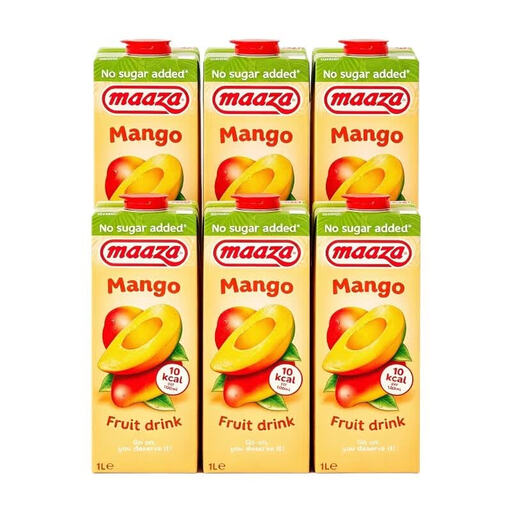
Why This Fits Their Persona: Suitable for shoppers who prioritise a fuller tropical fruit drink rather than a light cordial. It contains 17% mango purée and comes in a 6 x 1L format.
Its ready-to-drink format removes the dilution guesswork. The label lists 10 kcal and 2.2g of sugars per 100ml.
17% mango purée; no added sugar; vegan-friendly and gluten-free according to the supplied product information.
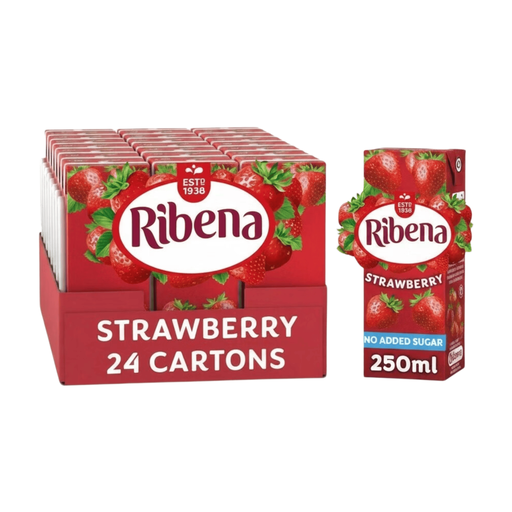
Why This Fits Their Persona: Individual cartons are easy to portion for packed lunches, day trips and picnics without carrying a large bottle or measuring diluted squash.
The 250ml ready-to-drink cartons provide a defined portion, avoiding inconsistent strength from over- or under-diluting squash.
24 x 250ml format; 4 kcal per 100ml; 32mg vitamin C per 100ml according to the supplied nutrition information.
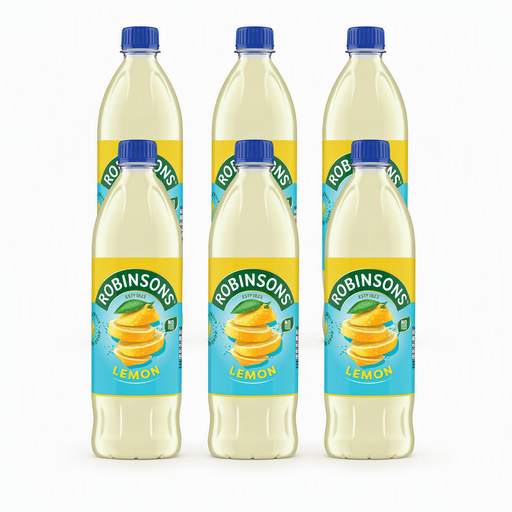
Why This Fits Their Persona: A six-bottle case suits larger households, shared fridges and regular family hydration, with a sharp lemon profile that can be adjusted by dilution.
The case format reduces the risk of running out during busy weeks, while the stated 10% lemon juice from concentrate makes the fruit content clear.
Six 1L bottles; 10% lemon juice from concentrate; 3 kcal per 250ml diluted serving in the supplied product information.
We have compiled a complete, real-time list of products that fully satisfy these strict selection criteria and UK safety regulations.
For a tropical flavour in smaller bottles, Ribena Pineapple and Passion Fruit Juice Drink No Added Sugar 12x500ml supplies a ready-to-drink format with vitamin C listed at 32mg per 100ml. If you prefer a concentrate, the Ribena Pineapple and Passion Fruit Squash No Added Sugar 850ml lists pineapple and passion fruit juices from concentrate and can be diluted to taste.
A blackcurrant option is Ribena Conc Blackcurrant No Added Sugar 1.5L, which should always be diluted according to the label. For a non-squash choice, J.ZAO 100% NFC Prune Juice 200g × 12 contains only prunes, with naturally occurring sugars shown in its nutrition panel. It is not sugar-free, despite having no added sugar.
Suitability depends on the specific ingredients, age guidance and serving size. Some products contain sweeteners and carry age-related advice, while concentrated drinks require dilution. Check the packaging, use extra water where the label recommends it for toddlers and consider water as the regular drink between meals.
It can provide more prepared servings from one bottle, but value depends on the dilution ratio, bottle price and actual serving size. Compare the cost per prepared litre rather than the shelf price alone. Multipacks may reduce the price per unit but require suitable storage space.
Follow the product label. Many opened squashes should be refrigerated and consumed within a stated period, often several weeks. Ready-to-drink cartons may need to be consumed on the day of opening, while some bottles specify a shorter period such as four days. Always check the best-before information and packaging instructions before drinking.