Shoppers seeking a sugar-free sweet
If the sweet after supper must be sugar-free, the product label matters more than a traditional fudge description or a small portion. The checked Tesco, M&S and Waitrose fudge examples contain sugar or syrup.


If sugar-free status is essential, do not assume conventional fudge qualifies: Tesco Dairy Fudge, M&S Clotted Cream Fudge and Waitrose Stem Ginger Crumbly Fudge all list sugar or syrup among their ingredients. A labelled sugar-free sweet can meet a different need, but check its ingredients, total carbohydrate, portion and sweetener warnings; a low-sugar fudge-flavoured bar is neither sugar-free fudge nor the same kind of sweet.
If the sweet after supper must be sugar-free, the product label matters more than a traditional fudge description or a small portion. The checked Tesco, M&S and Waitrose fudge examples contain sugar or syrup.
If you track carbohydrate, compare the total carbohydrate and the amount you expect to eat, rather than looking only at sugars. Diabetes UK directs shoppers to the detailed nutrition information on the back of the pack.
If particular sweeteners affect your choice, read the ingredients and any warning on the current pack. The NHS notes that some polyols can have a laxative effect in large amounts.
Decide whether the fudge itself or a sugar-free sweet matters more, then check the label for the portion you would actually eat.
| Priority | What to check | Your needs |
|---|---|---|
| Product and sugar status | Check the exact product’s sugar-free description against its ingredients and nutrition panel. Distinguish fudge from toffees, mints and fudge-flavoured bars. | I want a sweet finish to supper without mistaking ordinary fudge or a low-sugar snack for sugar-free fudge. Tesco, M&S and Waitrose list sugar or syrup in the checked conventional fudge products. |
| Carbohydrate and portion | Compare total carbohydrate on the same basis, such as per 100g, and check any per-serving figure against the amount you plan to eat. Diabetes UK advises checking total carbohydrate on the back-of-pack label. | If I count carbohydrate, the sugars figure alone will not answer my question; I also need to know what the stated serving represents. |
| Sweeteners | Read the sweetener ingredients and any excessive-consumption warning. The NHS says some polyols can have a laxative effect in large amounts. | A sugar-free label is not my only consideration if I pay attention to the sweeteners in an evening sweet. |
| Allergens | Read the current ingredient and may-contain statements for the exact product. The checked Waitrose Stem Ginger Crumbly Fudge listing says it may contain peanuts and nuts. | Before choosing a substitute, I need to check its own allergen information rather than relying on the label of a different sweet. |
Butter, clotted cream and a traditional recipe do not establish sugar-free status. The checked Tesco, M&S and Waitrose fudge products list sugar or syrup.
If sugar-free status is essential, check the ingredients and nutrition panel of the exact pack before choosing it.
A sugars figure does not show the full carbohydrate amount. Diabetes UK points shoppers to the detailed back-of-pack carbohydrate information.
Compare total carbohydrate per 100g and for the portion you expect to eat, rather than treating a front-of-pack traffic-light label as a carbohydrate figure.
The NHS notes that some polyols can have a laxative effect in large amounts. The checked Grenade Fudged Up bar also carries an excessive-consumption warning.
Read the current ingredients and warnings, particularly if sweetener type or portion size matters to your choice.
A fudge-flavoured protein bar is a different food from fudge. The checked Grenade Fudged Up bar is described as low in sugar, not sugar-free fudge.
Choose that format only if a low-sugar, fudge-flavoured snack meets your requirement; otherwise compare sweets explicitly labelled sugar-free.
These product-label examples show why a familiar fudge name is not enough to establish sugar-free status.
Tesco lists conventional own-label fudge alongside other sweets in its toffee-and-fudge category.
M&S Clotted Cream Fudge is a traditional fudge example rather than a sugar-free alternative.
The checked Waitrose products illustrate the difference between conventional fudge and a fudge-flavoured snack bar.
These mints are sugar-free sweet options for after supper, not fudge or fudge-flavoured desserts. Check the current pack if carbohydrate amounts or particular sweeteners matter to your choice.
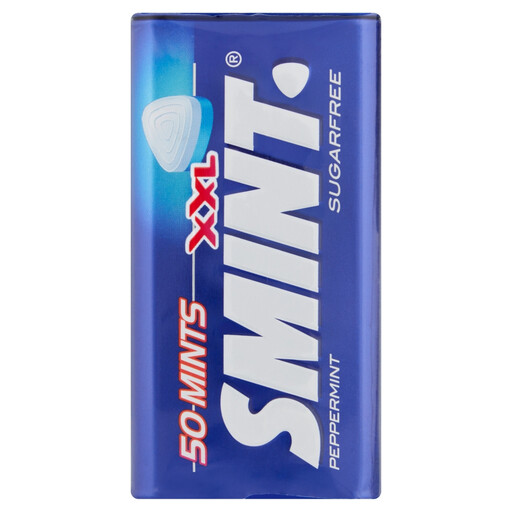 No image available
These peppermint mints offer an after-supper sweet in a different format from fudge. The pack is 35g; check its current sweetener list and portion information if polyols or total carbohydrate affect your choice.
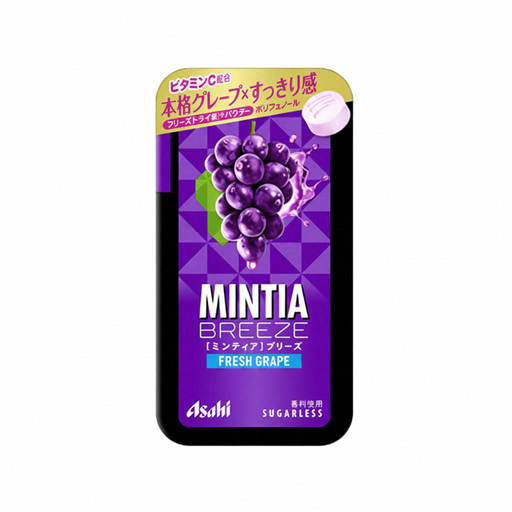 No image available
These sugar-free grape mints suit a mint-sized sweet after supper rather than a fudge-style dessert. The pack is 22g; read its current nutrition and sweetener information if carbohydrate amounts or sweetener tolerance matter to you.
Do not assume it is. The checked Tesco, M&S and Waitrose fudge products list sugar or syrup; Tesco Dairy Fudge, for example, states 14.4g sugars per 25g serving. Check the exact product label if sugar-free status is essential.
No. The checked Grenade Fudged Up product is a fudge-flavoured protein bar listed with 1.3g sugar per 60g bar; it is neither sugar-free fudge nor conventional fudge. Choose it only if that different product type meets your requirement.
Compare total carbohydrate and the portion you intend to eat, not just the sugars figure. Diabetes UK advises checking the detailed carbohydrate information on the back of the pack.
Some can in large amounts. The NHS says polyols such as sorbitol, xylitol and erythritol can have a laxative effect, so check the sweetener ingredients and any warning on the product you choose.
Read the current pack’s ingredients, highlighted allergens and any may-contain statement for the exact sweet. The checked Waitrose Stem Ginger Crumbly Fudge listing, for example, says it may contain peanuts and nuts; that statement cannot stand in for another product’s label.