What should you check before buying?
Decide whether customers specifically expect fudge, or whether another type of confectionery will do. Then check the claim and the selling format on the exact product you intend to offer.
Packaged sugar-free confectionery
Consider it when: A different type of sweet is acceptable and its pack confirms that it meets the applicable sugar-free claim threshold.
Trade-off: The product is not fudge; its allergens, sweeteners and warnings need checking in their own right.
No-added-sugar fudge
Consider it when: You want fudge described by its supported no-added-sugar wording, rather than promising a sugar-free product.
Trade-off: The wording alone does not show that sugars meet the sugar-free threshold; check the exact product’s nutrition declaration before making that claim.
Traditional fudge
Consider it when: Offering fudge matters more than offering a sugar-free option, and you can keep the two descriptions distinct.
Trade-off: A supplier’s suitability for market stalls says nothing about whether an individual fudge meets a sugar-free claim threshold.
| Priority |
What to check |
Your needs |
| Sugar-free claim |
For a sugar-free claim on solid food in Great Britain, the rule published on legislation.gov.uk sets a limit of 0.5 g sugars per 100 g. Check the value on the exact product’s nutrition declaration; “no added sugar” is a different statement. |
I want the wording on my stall to match the sweet I am actually offering, not just a phrase on its front label. |
| Ingredients and warnings |
Read the full ingredients, named allergens and any sweetener warnings. ASDA Groceries’ listing for Werther’s Sugar Free Creamy Toffees, for example, names milk and soya and carries an excessive-consumption warning. |
Before offering a sweet to customers, I need to be able to show them its ingredient and allergen information. |
| Product and pack format |
Check whether it is fudge, toffee, another sweet or gum, and whether the pack suits the way you intend to offer it. Keep the product’s identity clear if you display several types together. |
A substitute may work for my stall, but customers expecting fudge should not have to guess that the sugar-free option is something else. |
| Selling arrangements |
Determine whether your activity is a food business and how the food will be offered. The Food Standards Agency advises registering a food business at least 28 days before trading; GOV.UK guidance says food businesses must provide allergen information for prepacked and non-prepacked food. |
If I will sell refreshments rather than share them privately, I want to settle the registration and allergen arrangements before setting up the stall. |
Brand and supplier references
These references help distinguish a fudge claim, a conventional fudge range and a stall-oriented supplier. They do not establish that a particular fudge can be sold as sugar-free.
No Guilt Bakes
No Guilt Bakes describes its keto fudge as made with no added sugar Belgian white chocolate chips.
- A fudge option to consider when the requested wording is “no added sugar”.
- That description does not establish sugars at or below 0.5 g per 100 g; check the exact product’s nutrition declaration before calling it sugar-free in Great Britain.
Amy Smith’s Traditional Confectionery
The supplier describes its confectionery as suitable for market stalls, shows and events.
- A reference for sourcing conventional confectionery for a stall.
- Stall-oriented supply does not establish the sugars value of an individual fudge; check its pack before making a sugar-free claim.
Cornish Fudge Co. / The Candy Company
The Candy Company’s Cornish Fudge shop lists traditional fudge, including Black Clotted Cream Fudge in a 12 × 300 g box format.
- A reference when looking at a wholesale format for conventional fudge.
- Do not treat the pack format or fudge name as evidence for a sugar-free claim; assess the exact product’s nutrition declaration.
Joybuy confectionery options
These Joybuy options are chewing gum, not fudge. They suit a stall only if a gum alternative fits what you intend to offer; check the sugars declaration on the actual pack before describing either product as sugar-free.
 No image available
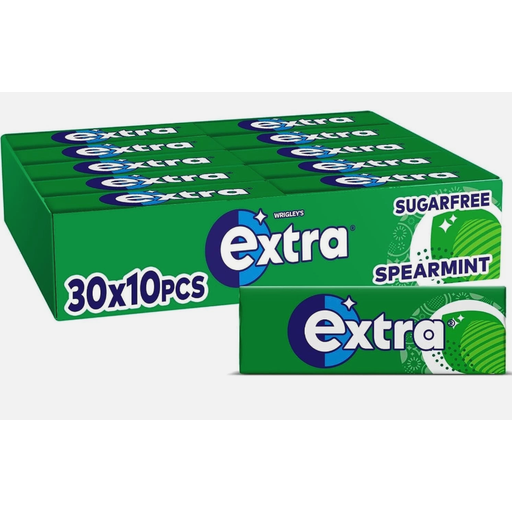
Wrigley Extra Sugar Free Spearmint Gum, 10 pieces × 30
The 30 packs of 10 pieces offer a portioned gum format if you are happy to offer something other than fudge. Check the pack’s sugars declaration and its information about soya, phenylalanine and excessive consumption before offering it to customers.
View on Joybuy
 No image available
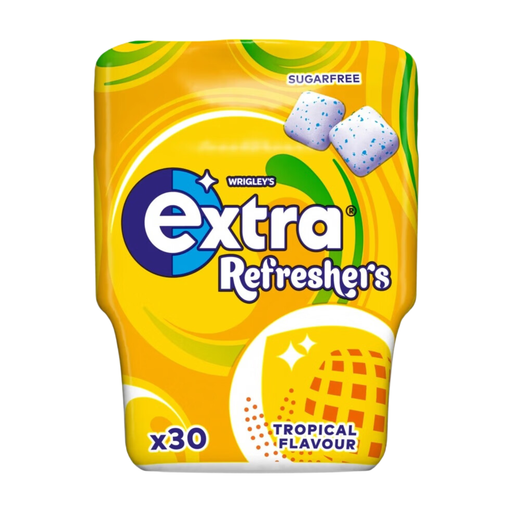
Extra Refreshers Tropical Sugarfree Gum Bottle, 30 pieces, 67g
The 30-piece bottle is a different serving format from separate packs, and its contents are gum rather than fudge. Check the pack’s sugars declaration and its information about soya, phenylalanine and excessive consumption before offering it to customers.
View on Joybuy
Common questions
Can I call fudge “sugar-free” at a car boot sale?
In Great Britain, use that claim only if the exact fudge meets the sugar-free threshold published on legislation.gov.uk: no more than 0.5 g sugars per 100 g for a solid food. Check its nutrition declaration rather than relying on sweetener use or front-of-pack wording alone.
Does “no added sugar” mean the same thing?
No. “No added sugar” does not establish the sugars value needed for a sugar-free claim. No Guilt Bakes describes its keto fudge using no-added-sugar wording; check the exact fudge’s nutrition declaration before using a sugar-free claim in Great Britain.
What matters if I offer a sugar-free sweet instead of fudge?
Identify it by its actual type and check its sugars value, ingredients, allergens and warnings. For example, ASDA Groceries’ listing for Werther’s Sugar Free Creamy Toffees states sugars below 0.5 g per 100 g, names milk and soya, and warns that excessive consumption may produce laxative effects.
Do I need to register before selling refreshments?
If the activity is a food business, the Food Standards Agency advises registration at least 28 days before trading or food operations start. Ask your local authority how that applies to your planned car boot sale activity rather than assuming that privately sharing food and running a food stall are treated alike.
What if I sell loose or repacked pieces?
Plan how customers will receive allergen information for that format. GOV.UK guidance says food businesses must provide allergen information for both prepacked and non-prepacked food, so do not rely on an outer carton that customers cannot see.


