Christmas home bakers reducing sugar
If you are making fudge-style treats, toppings or gifts, choose an ingredient intended for baking and a recipe written for that sweetener, rather than treating a finished sweet as a recipe ingredient.


For Christmas baking, use a sweetener with a recipe written for it if you want to make fudge-style treats yourself; choose ready-made sugar-free confectionery when you need a finished topping or gift, not a substitute for a recipe ingredient. A product described as suitable for baking is a starting point, but its sweetness guidance does not establish how ordinary fudge will set. Check the current pack’s ingredients, carbohydrate information and any polyol warning before serving or gifting.
If you are making fudge-style treats, toppings or gifts, choose an ingredient intended for baking and a recipe written for that sweetener, rather than treating a finished sweet as a recipe ingredient.
A sugar-free description does not tell you the total carbohydrate or polyol content. Diabetes UK notes that accounting for polyols can be unclear for people adjusting insulin; discuss individual dosing questions with your healthcare team.
Before choosing an ingredient or finished sweet for someone else, check the current pack for ingredients, allergen information, relevant warnings and storage instructions.
Decide whether you need a recipe ingredient or a finished sweet, then check the sweetener’s role in the recipe and the information on the current pack.
Choose when: You want to make the Christmas treats yourself using a product described as suitable for baking.
Trade-off: Sweetness guidance alone cannot tell you whether an ordinary fudge recipe will set; use a recipe written for the chosen sweetener.
Choose when: The recipe is formulated around maltitol’s role beyond sweetness, including bulk and moisture control as described by ingredient supplier Cargill.
Trade-off: Maltitol is a polyol, so carbohydrate information and any applicable warning need attention; Cargill’s claims do not establish the result of a home recipe.
Choose when: You need a ready-made garnish or gift rather than an ingredient for making fudge.
Trade-off: You cannot choose its formulation, so assess the specific pack’s ingredients, nutrition, warnings and storage instructions.
| Priority | What to check | Your needs |
|---|---|---|
| Recipe fit | Check whether the product is described as suitable for baking. Use instructions written for that sweetener; a sweetness conversion does not establish fudge setting. | I’m making the treats myself and need an ingredient that fits the recipe, not a finished sweet with a sugar-free label. |
| Texture | Check which sweetener the recipe uses and whether it is designed around that ingredient’s role beyond sweetness. Cargill describes bulk and moisture-control functions for maltitol, but this is an ingredient-supplier claim, not a home-baking result. | Before making a gift batch, I’d rather try a small batch than assume an ordinary sugar-fudge recipe will behave the same way. |
| Carbohydrate and polyols | Compare sugars, total carbohydrate, polyols and serving size on the current pack. Diabetes UK notes that polyols can contribute carbohydrate and that accounting for them can be unclear when adjusting insulin. | A sugar-free claim alone does not answer my carbohydrate question; if insulin adjustment is involved, I need individual advice from my healthcare team. |
| Serving and gifting | Read the ingredients, allergen information, storage instructions and any warning. GOV.UK says foods with more than 10% added polyols must carry an excessive-consumption laxative-effect warning. | If I’m giving sweets to someone else, I want them to have the current pack information and any relevant warning. |
Diabetes UK notes that polyols can still contribute carbohydrate. A claim about sugars does not replace the full nutrition panel.
Check total carbohydrate, sugars, polyols and serving size on the current pack. Seek individual healthcare-team advice for insulin-dosing questions.
A sweetness conversion does not establish how fudge will set or feel. Cargill describes maltitol’s bulk and moisture-control functions, while guidance for a granulated sweetener may address sweetness only.
Choose a recipe written for the specific sweetener and try a small batch before making Christmas gifts.
GOV.UK requires an excessive-consumption laxative-effect warning on foods containing more than 10% added polyols. It matters when sweets are served together or given as a gift.
Read the current label and pass on its warning information with gifted confectionery.
Ingredients and pack information can change, which matters when the recipient has an allergy or dietary restriction.
Check the physical pack immediately before using or gifting the product.
Tesco lists Natvia Sweetener 350g as an erythritol-and-stevia granulated product suitable for baking.
Sukrin describes several sweetener formats for baking, including Sukrin Gold, Finesse Baking Sweetener and finely ground SukrinMelis.
Cargill Maltidex is a maltitol ingredient line that helps explain maltitol’s use in confectionery formulations, not a named ready-made fudge product.
These are sweetener ingredients to consider for fudge-style Christmas baking, not ready-made fudge. Match any choice to a recipe written for that sweetener.
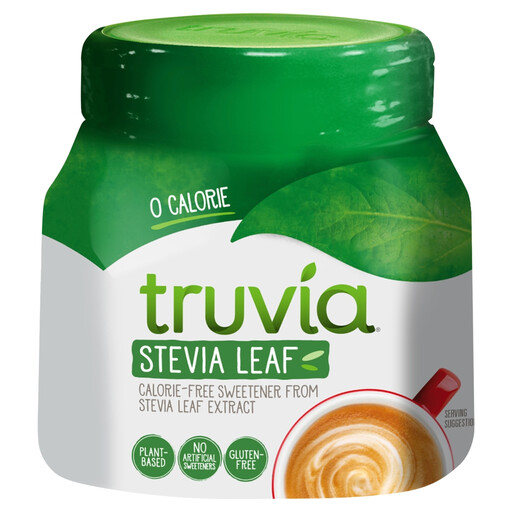 No image available
For a fudge-style bake using Truvia, follow a recipe written for this sweetener and try a small batch before making gifts. Check the current pack’s ingredients and carbohydrate information rather than assuming an ordinary fudge recipe will set in the same way.
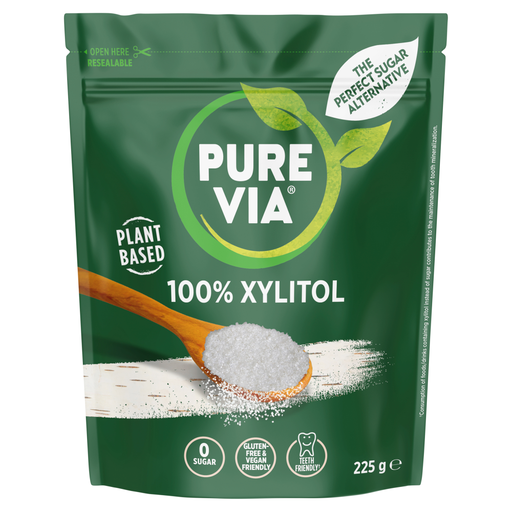 No image available
For baking with this xylitol product, use a recipe written for xylitol and test a small batch before preparing fudge-style gifts. Check the current pack’s carbohydrate information and warnings before serving.
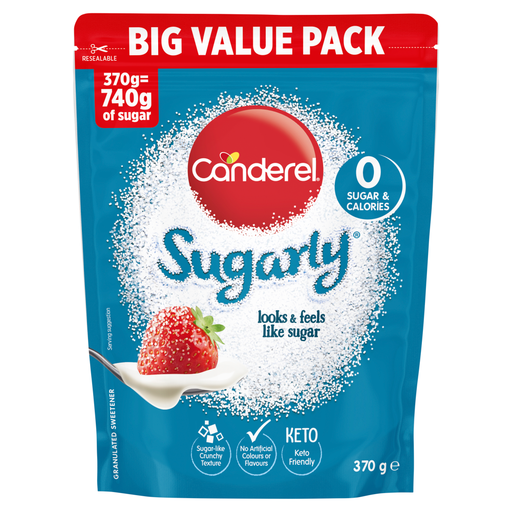 No image available
Use a recipe written for Canderel Sugarly if making fudge-style treats, and test a small batch first. The stated 0 kcal and 100g carbohydrate per 100g figures need checking against the current pack before either is used for a dietary decision.
No. Diabetes UK explains that polyols can contribute carbohydrate and that accounting for them can be unclear for people adjusting insulin. Check the product’s carbohydrate information and seek individual healthcare-team advice where insulin dosing is involved.
GOV.UK says foods containing more than 10% added polyols must carry a warning that excessive consumption may cause a laxative effect. Read it alongside the serving information, especially when offering several sweets or giving a gift box.
Do not assume that a sweetness conversion will preserve the recipe’s setting or texture. Use a recipe written for the chosen sweetener and try a small batch before making gifts.
Not in every respect. GOV.UK explains that assimilated food-information law applies in Great Britain, while EU food law applies in Northern Ireland in the relevant circumstances. Wherever you are buying, check the current pack for the ingredients, warnings and storage information you need.