What matters when choosing party sweets?
Start with any sugar-free requirement, then check the pack for sweeteners and allergens; school-provided food has a separate set of rules.
| Priority | What to check | Your needs |
|---|
| Sugar-free claim |
Check for a sugar-free claim and the sugars value per 100g or 100ml. Legislation.gov.uk sets the claim threshold at no more than 0.5g sugars per 100g or 100ml; “no added sugar” is a different claim. |
If a guest needs sugar-free sweets, I need the exact product to meet that requirement—not merely to be described as low sugar or fudge-flavoured. |
| Sweeteners |
Read the ingredients for polyols and check any excessive-consumption warning. Royal Berkshire NHS Foundation Trust notes that sorbitol, mannitol and xylitol can have a laxative effect in large quantities. |
Guests might take several pieces from a buffet, so I want to know which sweeteners are in the product before putting it out. |
| Allergens |
Read the current ingredients list, emphasised allergens and any precautionary statements on the pack. Do not assume a sugar-free recipe has the same ingredients as conventional fudge. |
For guests with allergies, I need product-specific label information that they can inspect before eating. |
| School food |
If food is being provided under England’s state-funded school food standards, check the school’s arrangements. The Department for Education’s cited standards exclude confectionery. |
For a school-provided Christmas event, I need an option the school approves rather than assuming a sugar-free fudge label settles the question. |
Retailer fudge examples
These named products illustrate what to check on conventional fudge labels; none of the examples below meets a sugar-free requirement.
Tesco
Tesco lists Dairy Fudge in a 175g pack.
- Its product information lists ingredients and nutrition per 100g.
- Tesco lists 57.4g sugars per 100g and milk ingredients for this fudge, so it is not sugar-free.
Sainsbury’s
Sainsbury’s lists Dairy Fudge in a 200g pack.
- Its product information includes ingredients and nutrition values.
- Sainsbury’s lists 63.2g sugars per 100g and milk ingredients for this fudge, so it is not sugar-free.
M&S
M&S lists a Clotted Cream Fudge product.
- Its product information includes ingredients, nutrition and allergen suitability statements.
- M&S lists 66.6g sugars per 100g and marks this product unsuitable for people with nut or peanut allergies.
Waitrose
Waitrose & Partners lists clotted cream fudge and dark chocolate and caramel fudge in its confectionery range.
- The named products give hosts conventional fudge formats to assess using their individual labels.
- The range listing does not establish that these products are sugar-free. Waitrose advises people affected by food allergies or intolerances to use prepacked ranges with allergen details on the packaging.
Joybuy confectionery option
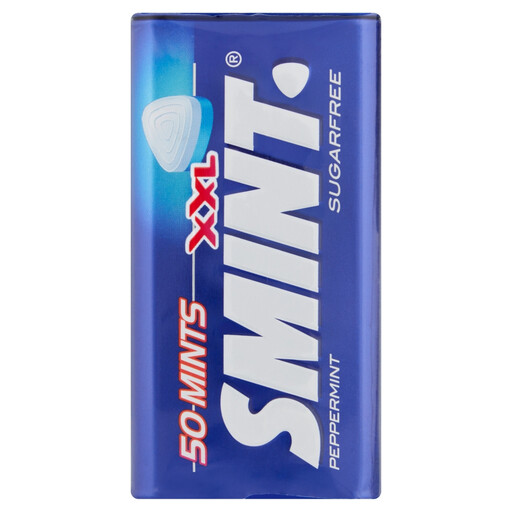
These peppermint mints are a sugar-free-labelled sweet for a party where a mint is an acceptable alternative; they are not fudge. Check the current pack against each guest’s requirements.
 No image available
Smint Peppermint Sugar Free Mints 35g
A peppermint mint alternative when fudge is not essential. Contains sorbitol; check the pack’s sweetener warnings and allergen information before serving. Not suitable for young children because of choking risk.
View on Joybuy
Frequently asked questions
What does sugar-free mean on a confectionery label?
A sugar-free claim requires no more than 0.5g sugars per 100g or 100ml, according to the threshold published on legislation.gov.uk. Check the claim and the sugars figure on the exact pack you are buying.
Is “no added sugar” the same as sugar-free?
No. Legislation.gov.uk sets different conditions for a no-added-sugar claim: no mono- or disaccharides, or other foods used for their sweetening properties, may have been added. Check the sugars figure separately if a guest needs a sugar-free product.
What should I check if guests might eat several sugar-free sweets?
Check the ingredients for polyols and read any excessive-consumption warning. Royal Berkshire NHS Foundation Trust notes that sorbitol, mannitol and xylitol can have a laxative effect when consumed in large quantities.
Which allergen details matter for party fudge?
Use the current pack’s ingredients, emphasised allergens and precautionary statements for the particular product. The cited Tesco and Sainsbury’s dairy fudges contain milk ingredients, while M&S marks its clotted cream fudge unsuitable for people with nut or peanut allergies.
Does a sugar-free label make fudge suitable for an England school event?
Not when the food is provided under England’s state-funded school food standards: the Department for Education’s cited standards exclude confectionery. Check the school’s approved arrangements rather than treating the sugar-free claim as permission to serve fudge. Department for Education guidance dated 14 September 2026 describes further changes proposed for September 2027, subject to Parliamentary approval.


