What matters when choosing?
Decide whether the requirement applies to the finished biscuit, the sweet inclusion, or both; then check the recipe and the exact pack against that decision.
A recipe made for a baking sweetener
Consider when: The finished biscuit needs to meet your sugar requirement, and you can follow guidance for the chosen sweetener.
Trade-off: Diabetes UK notes that sweeteners may require recipe changes because sugar also affects texture.
Conventional clotted-cream fudge
Consider when: Sugar-free status is not required and you want fudge pieces as an inclusion.
Trade-off: The M&S and Waitrose products described in their listings contain sugar-containing ingredients, so they do not meet a sugar-free requirement.
Sugar-free confectionery pieces
Consider when: A sweet inclusion other than fudge would suit your recipe, after you have checked its pack and heating guidance.
Trade-off: A sugar-free toffee is not fudge, and its label alone does not establish how it will behave in biscuit dough.
| Priority |
What to check |
Your needs |
| Sugars and ingredients |
Read the exact pack’s ingredient list and sugars information per 100g and per serving. Check for sugar, sweetened condensed milk and syrups rather than judging by a fudge flavour name. |
I need the finished biscuits to meet a sugar-free requirement, so conventional fudge containing sugar cannot be my inclusion. |
| Baking behaviour |
Look for a biscuit recipe formulated for the chosen sweetener. For confectionery pieces, check the maker’s heating guidance and try a small batch before making a full tray. |
I want to know how the biscuits and any added pieces turn out after baking, not just whether the ingredients taste sweet before they go in the oven. |
| Carbohydrate and polyols |
Check total carbohydrate, serving size and named sweeteners, along with any polyol warning. Diabetes UK notes that polyols contain carbohydrate and calories; the NHS says some can have a laxative effect in large amounts. |
A sugar-free claim is not enough for my carbohydrate check, and I want to consider the portion of confectionery added to each biscuit. |
| Allergens |
Check the current pack for milk, soya, nuts, peanuts and any cross-contact statement. Recheck confectionery as well as the other biscuit ingredients. |
If I am sharing the batch, I need ingredient and allergen information for everything that goes into it. |
Relevant brand references
These brands provide points of comparison for fudge and confectionery labels; a brand reference does not establish that its products are sugar-free or suitable for baking.
Thorntons
Thorntons describes fudge made with Madagascan vanilla and clotted cream.
- Its fudge range offers a conventional flavour reference when comparing ingredients.
- Do not assume a Thorntons fudge meets a sugar-free baking requirement; check the exact product’s label and use guidance.
M&S
Its clotted-cream fudge is a conventional confectionery option, not a sugar-free substitute.
- The M&S product listing gives ingredients and nutrition information for checking the exact fudge.
- The listed product contains sugars and milk; check its nut and peanut warnings before sharing a bake.
Waitrose
Its own-label clotted-cream fudge provides another conventional-fudge comparison.
- The Waitrose listing names sugar, sweetened condensed milk and several syrups among its ingredients.
- It does not meet a sugar-free requirement; the listed product contains milk and may contain peanuts and nuts.
Tesco
Tesco Real Food publishes a conventional homemade fudge recipe, while Tesco lists a chocolate fudge icing sugar.
- The recipe and product show two different ways fudge flavour can appear in baking.
- Chocolate fudge icing sugar is not a sugar-free fudge substitute; check any recipe or ingredient against the intended biscuit.
Sainsbury's
Its sweets listing includes sugar-free butter candies, a different confectionery category from fudge.
- The listing gives shoppers a confectionery label to inspect when considering a sweet inclusion.
- A sugar-free candy listing does not establish that the product behaves like fudge when baked.
Cornish Fudge Co.
The supplier describes traditional and handmade fudge alongside biscuit-related gift products.
- Its range is relevant when comparing conventional fudge formats.
- Check the ingredients and baking guidance for any individual product before considering it for a sugar-free biscuit.
Baking sweeteners on Joybuy
These are sweeteners for the recipe-based biscuit route, not fudge pieces. Choose a recipe for the sweetener you intend to use, and check the current pack for nutrition, allergens and any usage warnings.
 No image available
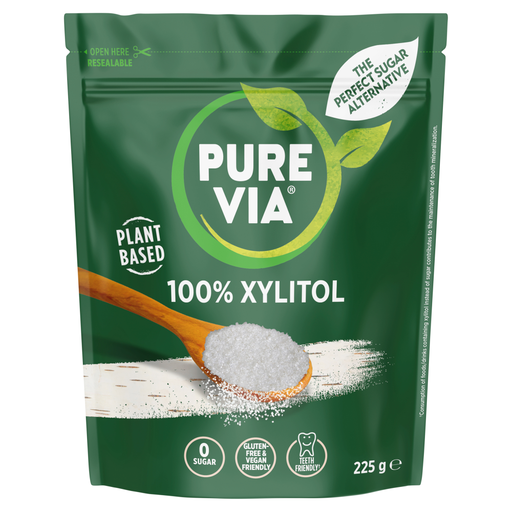
Pure Via 100% Xylitol 225g
A xylitol sweetener to consider with a biscuit recipe formulated for xylitol, rather than as fudge pieces or an assumed direct swap for sugar.
Check the current pack’s nutrition and allergen information before baking, particularly if the biscuits will be shared.
View on Joybuy
 No image available
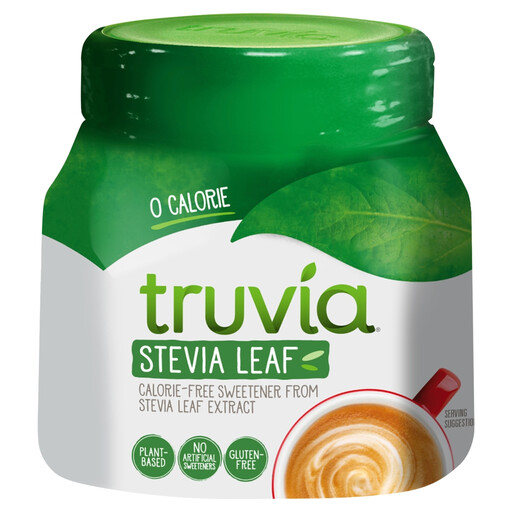
Truvia Calorie Free Sweetener 270g
A sweetener option for a biscuit recipe designed around its ingredients; it is not a fudge inclusion.
Check the current pack for nutrition, allergens and any polyol warning, and follow recipe-specific baking instructions.
View on Joybuy
 No image available
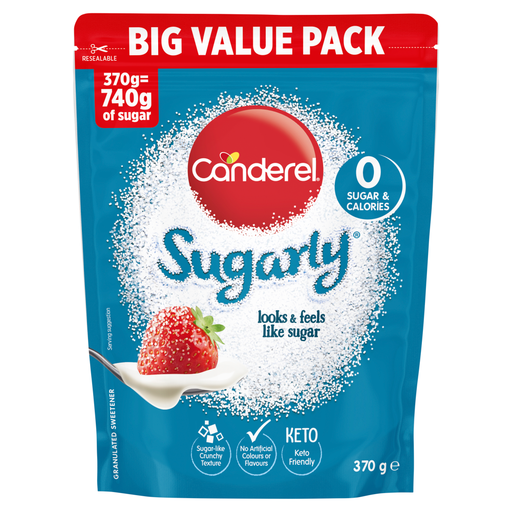
Canderel Sugarly Value Pack 370g
A sweetener for the recipe-based route, not a substitute for fudge pieces. Use biscuit instructions adapted to the sweetener rather than assuming it will reproduce sugar’s effect on texture.
Check carbohydrate and energy information on the current pack before relying on the nutrition figures, along with allergens and any usage warnings.
View on Joybuy
Questions about sugar-free biscuit baking
Can I use ordinary clotted-cream fudge in sugar-free biscuits?
Not if the finished biscuits must be sugar-free. The M&S and Waitrose clotted-cream fudges described in their product listings contain sugar or sugar-containing ingredients; check any other fudge’s exact pack rather than relying on its flavour name.
Can any sweetener replace sugar in my biscuit recipe?
A direct swap may change the result. Diabetes UK notes that sugar contributes to baked texture and that recipes may need adapting for sweeteners, so use instructions developed for your chosen product or try a small batch first.
Does sugar-free confectionery contain no carbohydrate?
Not necessarily. Diabetes UK notes that polyols contain carbohydrate and calories, so check the product’s full nutrition panel, ingredients and serving size rather than using the sugar-free claim as a carbohydrate figure.
Why do some sugar-free sweets carry a polyol warning?
Some polyols can have a laxative effect when consumed in large amounts, according to the NHS. The sugar-free toffee listed by ASDA, which contains several sweeteners, warns about excessive consumption; check the warning on the exact product you intend to use.
What should I check before adding sweets to biscuits for others?
Check the current pack’s ingredients, allergen and cross-contact statements, nutrition information and any sweetener warning. Check heating guidance as well: a confectionery label does not establish how its pieces will behave in biscuit dough.


