Breakfast managers planning stock
Match the number of pieces and the replenishment routine to breakfast covers, while keeping current ingredient information available for guest enquiries.


For a small breakfast service or an uncertain level of demand, start with compact sugar-free gum packs; bottles offer more pieces per unit when staff can manage replenishment. Before putting out any format, check the delivered pack’s ingredients, allergen information and warnings: sugar-free does not mean suitable for every guest. UK food businesses must provide allergen information for prepacked and non-prepacked food and drink, according to GOV.UK and the Food Standards Agency.
Match the number of pieces and the replenishment routine to breakfast covers, while keeping current ingredient information available for guest enquiries.
Keep an accurate way to answer questions about the exact gum being served. Sugar-free product examples list soya lecithin, and GOV.UK and Food Standards Agency guidance requires food businesses to provide allergen information for prepacked and non-prepacked food and drink.
A 7- or 10-piece format lets staff try a flavour in smaller quantities before deciding whether a higher-count bottle fits demand.
Choose a service format first, then check the exact product label and how guests will obtain ingredient information.
| Priority | What to check | Your needs |
|---|---|---|
| Pack size | Compare the stated piece count and whether gum comes in individual packs or a bottle. Extra product listings show 7-, 10- and 46-piece examples. | For a small trial, I would rather start with fewer pieces. With regular demand, a bottle may fit a staff-managed replenishment routine. |
| Ingredients and allergens | Read the delivered pack’s current ingredients and allergen declaration; check sweeteners as well as any soya lecithin. GOV.UK and Food Standards Agency guidance requires allergen information for prepacked and non-prepacked food and drink. | When a guest asks what the gum contains, staff need an answer for the specific product being served, not just its sugar-free description. |
| Pack warnings | Check whether the label states that excessive consumption may produce laxative effects or that the gum contains a source of phenylalanine. These warnings appear on the Extra products described by ASDA Groceries and EXTRA UK. | I want guests to be able to see relevant warnings before choosing a piece, rather than assuming sugar-free means suitable for everyone. |
| Flavour | Confirm the stated flavour rather than treating mint, fruit and menthol-and-eucalyptus products as interchangeable. | A familiar mint may suit the intended offering, or I may want to try a fruit flavour in a small quantity before stocking more. |
| Service and stock | Decide whether staff will issue packs or replenish a serving point. Check the delivered pack’s storage instructions and best-before date. | The format needs to work with our breakfast routine without leaving staff to guess which label belongs to gum put out for guests. |
Product listings for Extra gum describe sweeteners, soya lecithin and warnings about excessive consumption and phenylalanine. The sugar-free claim does not answer an ingredient or allergen question.
Keep the delivered packaging available and direct guest enquiries to its current ingredient and warning information.
A 46-piece bottle leaves more gum to manage than a 7-piece box when demand is uncertain. Both formats still need identifiable product information at the point of service.
Estimate breakfast covers and try a smaller format if uptake is unknown; use a bottle when staff can replenish and identify its contents consistently.
An online description may not reflect the pack delivered after a product change.
Check the physical pack’s ingredients, allergens, warnings and best-before date before service and when changing stock.
The ToffeeWorld listing for imported Trident Original 14-stick gum described short- or past-best-before clearance stock. That particular offer is not a dependable basis for a recurring buffet order.
If considering imported or clearance gum, inspect the delivered label and best-before date before deciding whether to serve it.
Short-dated stock may leave little time to use the packs before their best-before date.
EXTRA UK, ASDA Groceries and Sainsbury’s list sugar-free Extra products in compact packs and bottles, with different flavours and piece counts.
Sainsbury’s lists an Airwaves Menthol & Eucalyptus sugar-free bottle containing 46 pieces for buyers who specifically want that flavour.
ToffeeWorld describes a Trident Original sugar-free 14-stick pack as an import from the United States.
These options cover peppermint and tropical-flavour bottles and a multipack of spearmint gum. Compare how each format would be issued or replenished at breakfast, then check the delivered label before serving.
 No image available
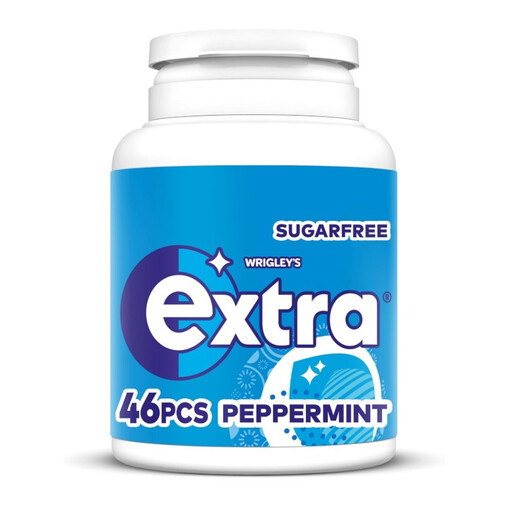
The 46-piece bottle is an option for staff-managed replenishment when a peppermint flavour fits the breakfast offering. Check the delivered pack’s ingredients, allergens and warnings before serving.
 No image available
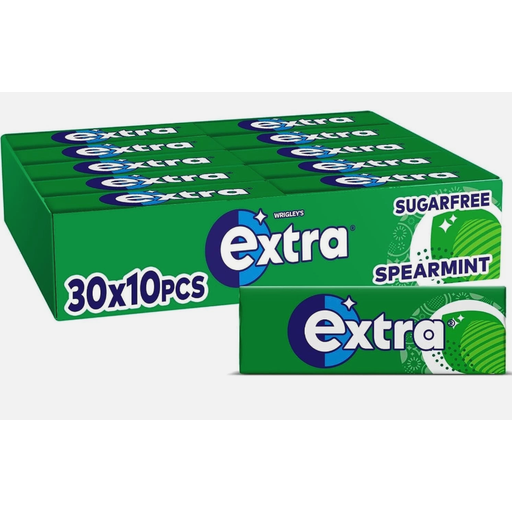
Thirty packs of 10 pieces give staff individual packs to issue rather than one shared bottle. The product information lists soya lecithin and warnings about excessive consumption and a source of phenylalanine; check the delivered packs before serving.
 No image available
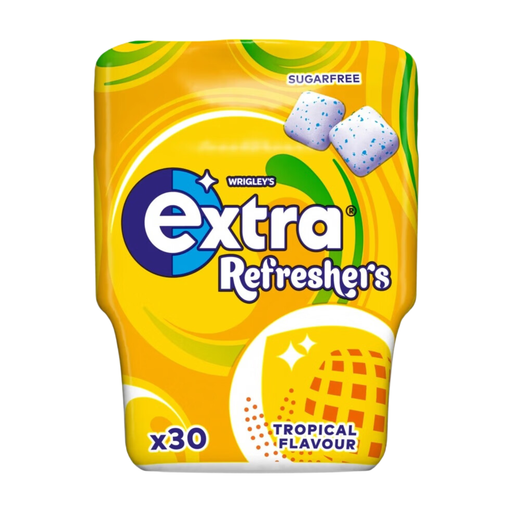
The 30-piece bottle offers a tropical flavour for a staff-managed serving point. Its product information identifies soya and warnings about excessive consumption and a source of phenylalanine; confirm these details on the delivered pack.
Yes. GOV.UK and Food Standards Agency guidance requires food businesses to provide allergen information for prepacked and non-prepacked food and drink. Keep the current information for the gum being served accessible to guests and staff; Food Standards Scotland states the same core duty for Scotland.
No such conclusion follows from a sugar-free label. The Extra and Airwaves product examples list sweeteners and warnings about excessive consumption and a source of phenylalanine; some also list soya lecithin. Answer ingredient questions using the exact delivered pack.
Choose according to how staff will serve the gum and how much is likely to be used. A compact pack limits the quantity put into an initial trial; a higher-count bottle can be replenished by staff, provided its contents and ingredient information remain identifiable.
Check the intended service arrangement before packing it. Food Standards Scotland’s guidance says that food packed on-site before a customer selects it and offered for sale from the same premises falls under prepacked-for-direct-sale labelling requirements, including the food name, a full ingredients list and emphasised regulated allergens. Seek advice from the relevant local authority about how those rules apply to the hotel’s arrangement.
Follow the storage instructions and best-before date on the delivered product. ASDA Groceries’ Extra Spearmint bottle listing specifies cool, dry storage; check the instructions for any different gum rather than applying that listing to every product.