People with diabetes choosing everyday gum
A sugar-free label helps identify gum for routine chewing, but the nutrition panel and ingredients matter if you also consider carbohydrate intake or adjust insulin.


For everyday chewing, start with gum labelled sugar-free, then check its ingredients, nutrition information and warnings: sugar-free does not mean carbohydrate-free or determine your insulin needs. Diabetes UK says polyols generally have less effect on blood glucose than sucrose, but people adjusting insulin should seek individual advice. Sugar-free gum cannot treat a hypo; follow your diabetes care plan instead.
A sugar-free label helps identify gum for routine chewing, but the nutrition panel and ingredients matter if you also consider carbohydrate intake or adjust insulin.
If you regularly use bottles or multipacks, check for warnings about laxative effects from excessive consumption. The warning appears on the Extra White and Airwaves products listed by Sainsbury's.
Check each pack for aspartame, phenylalanine statements and relevant allergens. The NHS says aspartame is unsuitable for people with phenylketonuria (PKU).
Start with the sugar-free label, then use the ingredients and pack warnings to decide whether that particular gum fits your routine.
| Priority | What to check | Your needs |
|---|---|---|
| Sugars and sweeteners | Compare the declared sugars, carbohydrate information and ingredients. Diabetes UK notes that polyols are carbohydrates and generally have less effect on blood glucose than sucrose; a sugar-free label is not an insulin-dosing instruction. | I want gum for everyday freshness without treating its sugar-free label as proof that it contains no carbohydrate ingredients. |
| Frequent chewing | Read the sweetener list and any laxative-effect warning, especially on bottles and multipacks. Sainsbury's lists that warning for Extra White and a Wrigley's Airwaves multipack. | A larger pack suits how I buy gum, but I still need to consider how often I chew it. |
| After-food use | Choose a sugar-free product if you want gum after eating or drinking. Check that the person using it can chew safely; gum does not replace brushing. | I would like gum after meals as an addition to, not a replacement for, my usual dental care. |
| Restrictions and medical situations | Check for aspartame, phenylalanine statements and allergens on the exact pack. The NHS says aspartame is unsuitable for people with PKU; its hypo guidance calls for fast-acting carbohydrate, not sugar-free gum. Follow your test provider's instructions before an oral glucose tolerance test. | If I have PKU or an allergy, the ingredient label is decisive. I also need to keep gum separate from hypo treatment and test preparation. |
Diabetes UK explains that polyols are carbohydrates, although they generally have less effect on blood glucose than sucrose. A front-of-pack claim cannot settle an individual insulin decision.
Read the nutrition panel and ingredients, and seek advice from your diabetes care team if you adjust insulin.
The Extra White and Airwaves examples listed by Sainsbury's warn that excessive consumption may produce laxative effects.
Check the warning on the pack you plan to buy rather than assuming a different flavour or format has the same ingredients.
A hypo calls for fast-acting carbohydrate, not sugar-free gum. NHS examples include fruit juice, sugary fizzy drinks and glucose tablets.
Follow your diabetes care plan for treating a hypo and keep its specified treatment available.
The NHS says aspartame is unsuitable for people with PKU. The Extra White and Airwaves examples list a source of phenylalanine and soya lecithin.
Check the current label whenever you change product, flavour or format, particularly if you have PKU or a soya allergy.
Extra has several sugar-free formats in UK supermarket listings, including small packs and multipacks. Check the particular variant rather than applying one pack's label to the whole range.
Wrigley's Airwaves includes a menthol and eucalyptus sugar-free multipack for shoppers considering that flavour.
Tesco lists several Mentos Pure Fresh gum flavours. The exact pack label, rather than the brand name, is the place to check its sugar-free claim.
These sugar-free gum options are for everyday freshness or after-meal chewing. Compare the pack format and check the current label for ingredients and warnings that matter to you.
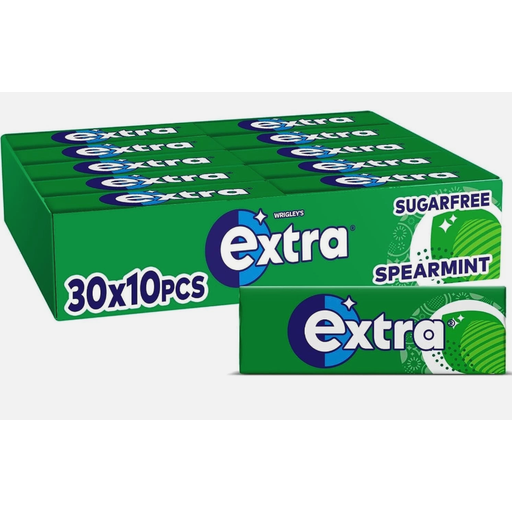 No image available
The multipack offers spearmint gum for routine chewing or after meals. Its product information identifies aspartame and soya and warns that excessive consumption may produce laxative effects; check the current pack if you have an ingredient restriction or chew frequently.
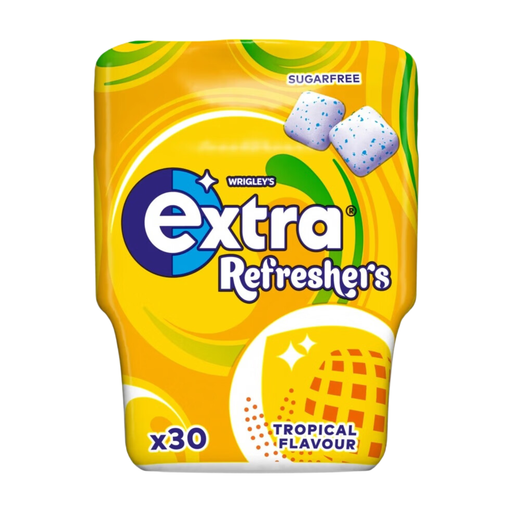 No image available
The bottle format provides tropical-flavoured gum for everyday chewing. Its product information identifies aspartame and soya and warns that excessive consumption may produce laxative effects; check the pack if you need to screen ingredients or consider frequent use.
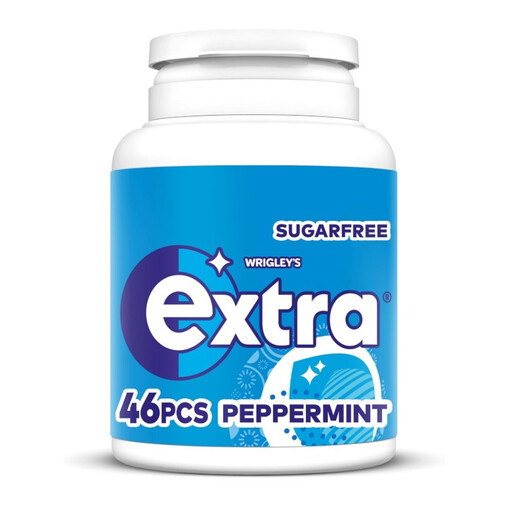 No image available
The bottle format is intended for routine freshness, including after meals. Check the current bottle's flavour, ingredients, nutrition information and warnings before buying, particularly if you need to avoid a particular sweetener or allergen.
Not necessarily. Diabetes UK says polyols are carbohydrates and generally have less effect on blood glucose than sucrose. Read the exact gum's nutrition information and ingredients rather than using its sugar-free claim to make an insulin decision.
No. NHS hypo guidance calls for something that raises blood glucose quickly, such as fruit juice or glucose tablets. Follow your own diabetes care plan for treatment.
No. Sugar-free gum can be an optional after-food choice for someone who can chew safely, but it does not replace brushing with fluoride toothpaste. NHS hospital oral-care advice discusses gum alongside, not instead of, brushing.
Some sugar-free gums contain polyol sweeteners. The Extra White and Airwaves listings at Sainsbury's warn that excessive consumption may produce laxative effects, so check the precise pack and consider how often you chew it.
Follow the instructions from the service performing your test. Gloucestershire Hospitals NHS Foundation Trust tells patients not to chew gum during its oral glucose tolerance test preparation, including sugar-free gum.